
 CanadaTravel
Canada plans 40–50 year private airport concessions at four major hubs
Budget 2026 confirms Canada will seek private operators for Toronto Pearson, Vancouver, Montréal-Trudeau and Calgary airports under 40–50 year concessions, with the first operator selected by early 2029. Airport fees would face rules to protect travellers.
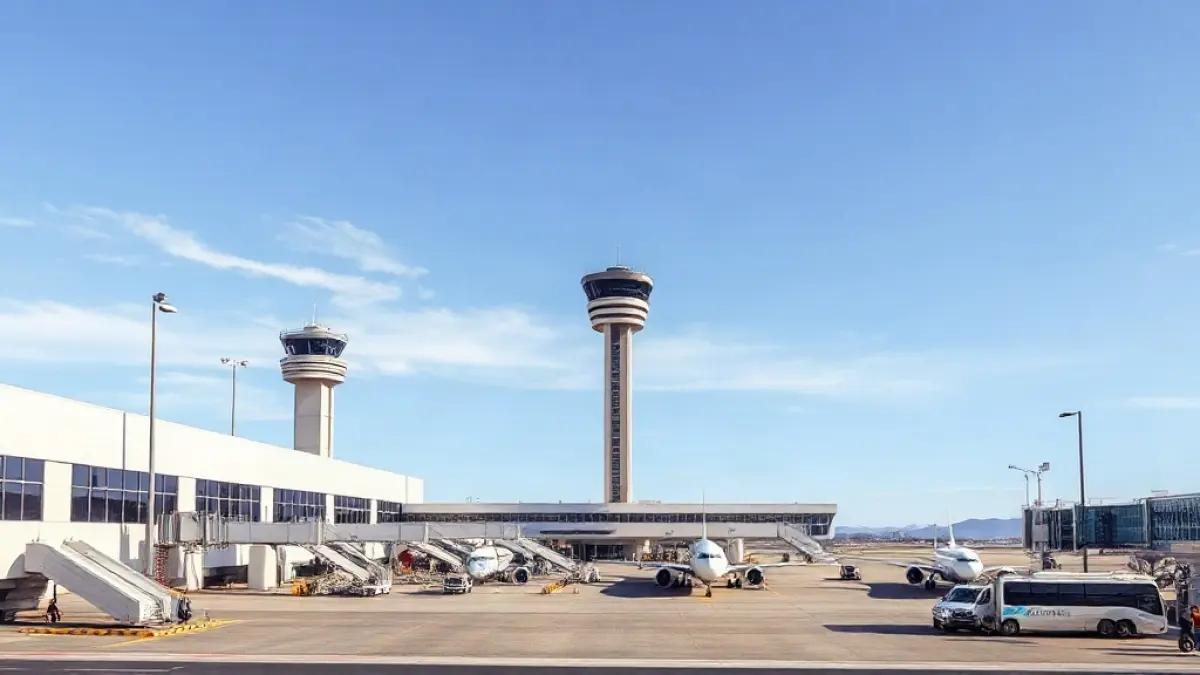
Canada's federal government has set out a detailed plan to hand long-term operating rights for its four largest airports to private investors, while keeping ownership of the land and assets. Budget 2026, presented on 5 November 2026, confirms and expands on the announcement made by Prime Minister Mark Carney on 15 September 2026 at the Canada Investment Summit.
Key facts
- Airports covered: Toronto Pearson, Vancouver, Montréal-Trudeau and Calgary
- Concession length: 40 to 50 years, with the government retaining ownership of airport land and assets
- Funding: CA$37.6 million over three years for due diligence, framework design and the selection process
- Target date: a competitive process to choose the operator of the first concession by early 2029
- Equity stakes: the Canada Strong Fund and local Indigenous communities would hold shares in the concessions
What is changing?
Under the current model, the federal government owns airport land and assets and leases them to not-for-profit airport authorities, which run day-to-day operations and pay rent based on a percentage of gross revenues. There are 23 airports in the National Airports System, operated by 21 airport authorities.
Budget 2026 confirms the government is considering a concession operating model instead. Experienced investors, including Canada's pension funds, would operate the airports for 40- to 50-year terms. The concessionaire would collect revenues and bear operational and market risk, and at the end of the term the land and assets would revert to the government. Unlike today's not-for-profit authorities, the operator would be a for-profit business expecting a return on its investment.
When do the new rules start?
The budget allocates CA$37.6 million over three years to complete due diligence, develop the concession framework, obtain commercial and legal advice and run a competitive process to select the operator of the first airport concession by early 2029. The government also proposes introducing the legislation needed to establish the concessions. Which airport will move first has not been announced.
What happens to airport fees?
Budget 2026 says operators would face strong oversight and that airport fees would be subject to clear rules to protect travellers from unreasonable increases. It does not specify what those rules would be. New legislation would also aim to improve transparency around airport fees and strengthen performance reporting and governance.
For airports that stay under the existing model, the government intends to adjust the ground rent formula. Smaller airports would benefit from support for new air routes and regional airport infrastructure, plus eligibility for the Airports Capital Assistance Program within the National Airports System. Proceeds from the concessions would be reinvested in the air transportation system and wider infrastructure.
What this means for travellers
No changes to passenger procedures, documents or charges take effect immediately. The plan targets the first private operator by early 2029, and the budget promises rules on airport fees to shield travellers from unreasonable increases, though the details are still to come. Travellers using Toronto Pearson, Vancouver, Montréal-Trudeau or Calgary can watch for the implementing legislation and the fee rules as they are published.
Several elements remain undecided, including the size and structure of the equity stakes for the Canada Strong Fund and local Indigenous communities, the concession terms and how the government will consult airlines, airport authorities, Indigenous groups, municipalities and investors.