
 CameroonTravel
Cameroon's Far North faces cholera, Mpox, flooding and armed attacks
UNFPA says Cameroon's humanitarian situation deteriorated further in September 2026, with attacks near Waza and Makary displacing more than 11,300 people, flooding and cholera cases above 2,000 in the Far North Region.
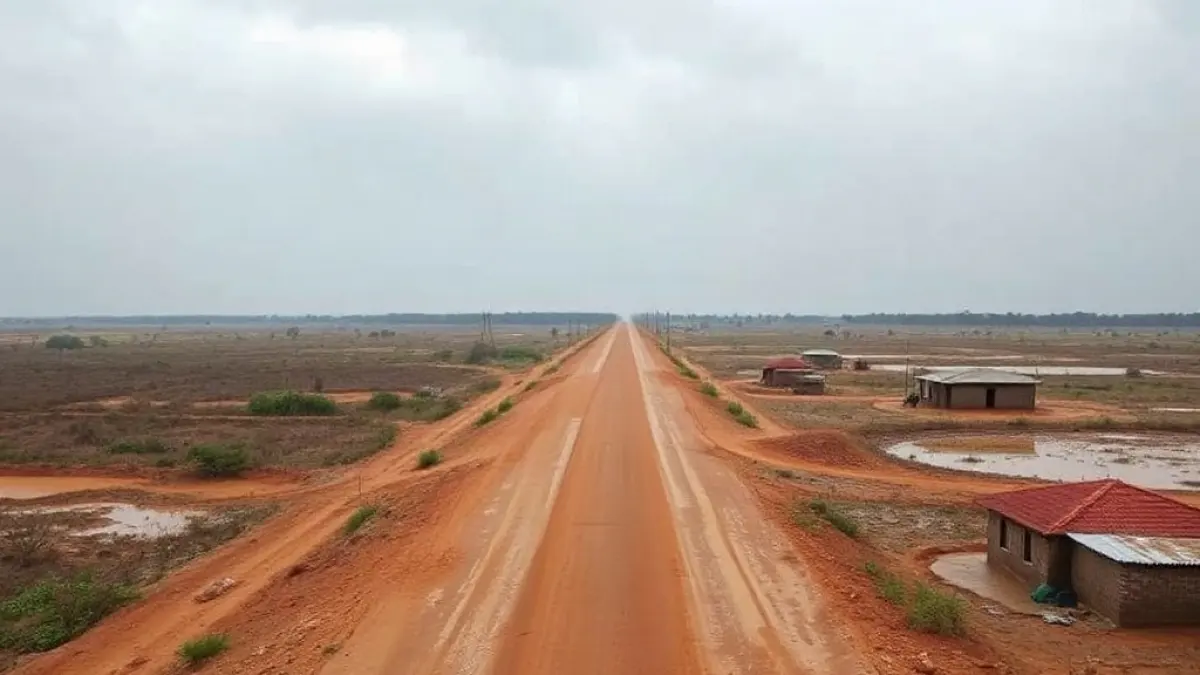
Insecurity, flooding and disease outbreaks worsened the humanitarian and protection situation in Cameroon during September 2026, according to a situation report from the United Nations Population Fund (UNFPA) covering 1 to 30 September 2026 and published on 22 October 2026. Escalating attacks by non-state armed groups in the border districts of Waza and Makary displaced more than 11,300 people.
Key facts
- More than 11,300 people displaced by attacks in the border districts of Waza and Makary
- Widespread flooding in the Logone-et-Chari and Mayo-Tsanaga divisions after torrential seasonal rains
- Reported cholera cases in the Far North Region exceed 2,000, alongside Mpox outbreaks
- Displaced people urgently need dignity kits and healthcare, including sexual and reproductive health services
- UNFPA needs US$4 million for Cameroon in 2026; US$1.6 million was still unfunded as of 30 September 2026
What happened during September?
UNFPA reported that attacks by non-state armed groups escalated in the border districts of Waza and Makary. The violence included serious protection violations, with documented incidents of sexual violence against civilians. Displaced populations urgently require humanitarian assistance, particularly dignity kits and essential healthcare.
At the same time, torrential seasonal rains caused widespread flooding across the Logone-et-Chari and Mayo-Tsanaga divisions.
Where are the disease outbreaks?
Cholera and Mpox outbreaks in Cameroon's Far North Region intensified during the month. Reported cholera cases exceeded 2,000, and significant transmission was recorded in displacement settings, including Minawao refugee camp.
UNFPA said these concurrent emergencies are placing additional pressure on an already overstretched public health system.
What health services are being provided?
During September, UNFPA supported sexual and reproductive health services across 22 health facilities in the North-West, South-West and Far North regions, deploying 33 midwives. Through these efforts, 13,805 people accessed essential sexual and reproductive healthcare services.
A further 5,534 people received support through gender-based violence risk mitigation and response interventions, including case management, mental health and psychosocial support, and safe referrals to specialized services.
What this means for travellers
The report describes armed attacks in the Waza and Makary border districts, flooding in the Logone-et-Chari and Mayo-Tsanaga divisions, and active cholera and Mpox outbreaks in the Far North Region. Anyone planning travel through these areas should factor these reported conditions into their plans.
What happens next
UNFPA requires US$4 million in 2026 to deliver reproductive health and protection services in Cameroon. As of 30 September 2026, US$1.6 million remained unfunded, which the agency said highlights the need for additional resources to sustain these interventions. No further reporting dates were announced in the update.