
 Burkina FasoTravel
Heavy fighting between rival jihadist groups reported in northern Burkina Faso
Clashes between the al-Qaeda-linked JNIM and the Islamic State in the Sahel have intensified in the Mali-Niger-Burkina Faso tri-border area. The Islamic State's propaganda agency claims around 400 JNIM fighters were killed in Oudalan Province, northern Burkina Faso, on 9 October 2026.
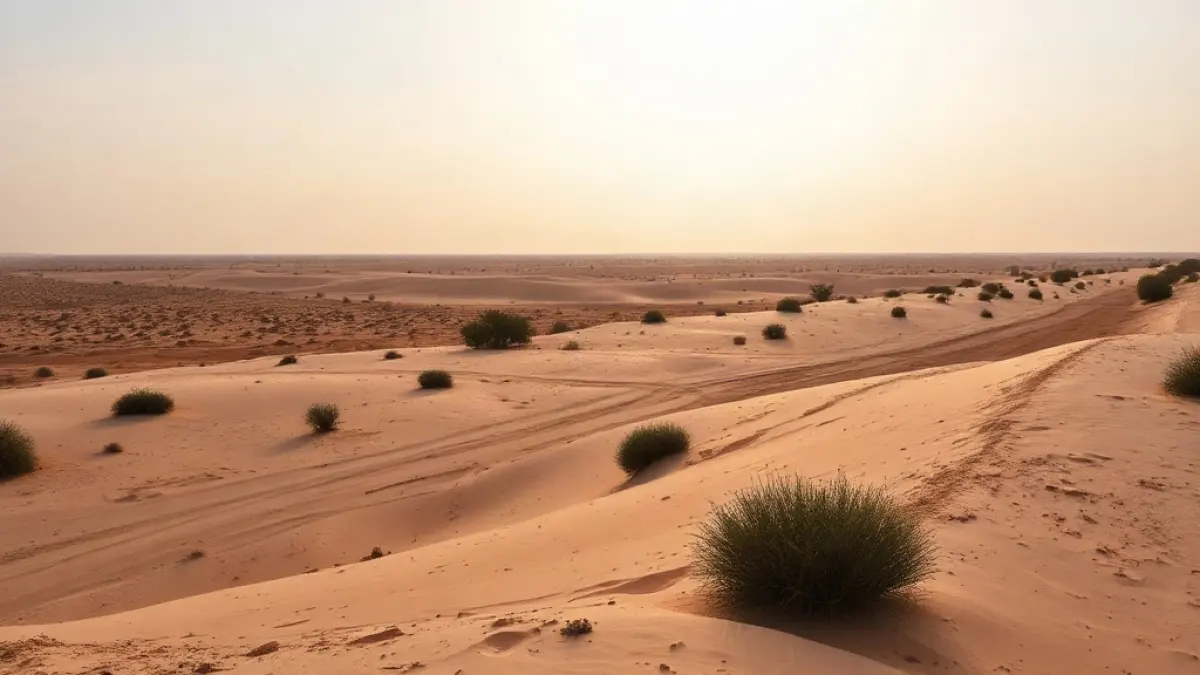
Two of the main armed groups operating in the Sahel are fighting each other in the desert area where Mali, Niger and Burkina Faso meet, adding a new layer of violence to a region already affected by conflict. Jama'at Nusrat al-Islam wal-Muslimin (JNIM, the Group for the Support of Islam and Muslims), which is affiliated with Al-Qaeda, and the Islamic State in the Sahel (ISS), linked to the Islamic State, have been confronting each other with increasing force.
Key facts
- 9 October 2026: fighting reported around the village of Ganadaouri, Oudalan Province, northern Burkina Faso
- 1 September 2026: clashes near N'Daki, in Mali's Timbuktu region close to the Burkina Faso border
- 17 August 2026: JNIM killed the head of ISS in Burkina Faso, Abou Zeid, and commander Saad
- Claimed casualties are unconfirmed: around 400 JNIM members in October, around 100 in September
- The area affected is the tri-border zone of Mali, Niger and Burkina Faso
What is happening in the tri-border area?
JNIM and the Islamic State in the Sahel coexisted for a long time and, in some cases, even cooperated across Mali, Niger and Burkina Faso. Since 2019, however, tensions between them have escalated steadily into increasingly violent clashes.
The latest reported incident took place just days before 15 October 2026. A report published by Amaq, the Islamic State's propaganda agency, claims ISS fighters killed around 400 JNIM members in Oudalan Province, in northern Burkina Faso, and destroyed large quantities of weapons and motorcycles. The report has not been independently confirmed.
What happened in the most recent clashes?
According to Amaq, the fighting began on 9 October in the village of Ganadaouri, where ISS militants reportedly repelled a large-scale JNIM offensive. The clashes are said to have lasted about an hour and a half.
Earlier, on 1 September, the two groups clashed in Mali near N'Daki, in the Timbuktu region close to the border with Burkina Faso. ISS reportedly emerged victorious, killing around 100 JNIM fighters, including a senior commander. Those clashes followed JNIM's killing on 17 August of Abou Zeid, the head of ISS in Burkina Faso, and of commander Saad.
Why are the two groups fighting each other?
The confrontation is rooted in political and doctrinal differences. JNIM is described as relatively pragmatic and deeply rooted in local communities: it mainly targets state institutions and their symbols, negotiates with local elites and, in areas it controls, applies a comparatively flexible system of governance including zakat (the obligatory almsgiving prescribed by Islam), dispute mediation and corrective sanctions rather than exemplary public punishments. It also tends to avoid beheadings and public stonings, partly to preserve popular support.
The Islamic State in the Sahel follows a harder line, declaring Muslims it considers insufficiently aligned with its ideology to be unbelievers, targeting civilians accused of collaborating with the enemy, and relying on exemplary and punitive violence as a central instrument of control.
What happens next?
Alongside their confrontation with one another, both groups continue to fight the security forces of Mali, Niger and Burkina Faso. Local populations remain the most exposed to violence from all sides of the conflict. No further incidents, official statements or travel guidance are announced in the source.
 Mali
 Niger