
 BelgiumVisas
Family with Belgian visas trapped in Gaza as surgeon takes state to court
A Palestinian surgeon with refugee status in Belgium has asked a Brussels court to order the state to help his wife and four children, who hold family reunification visas, leave Gaza. The family remains in Gaza City; no ruling has been reported.
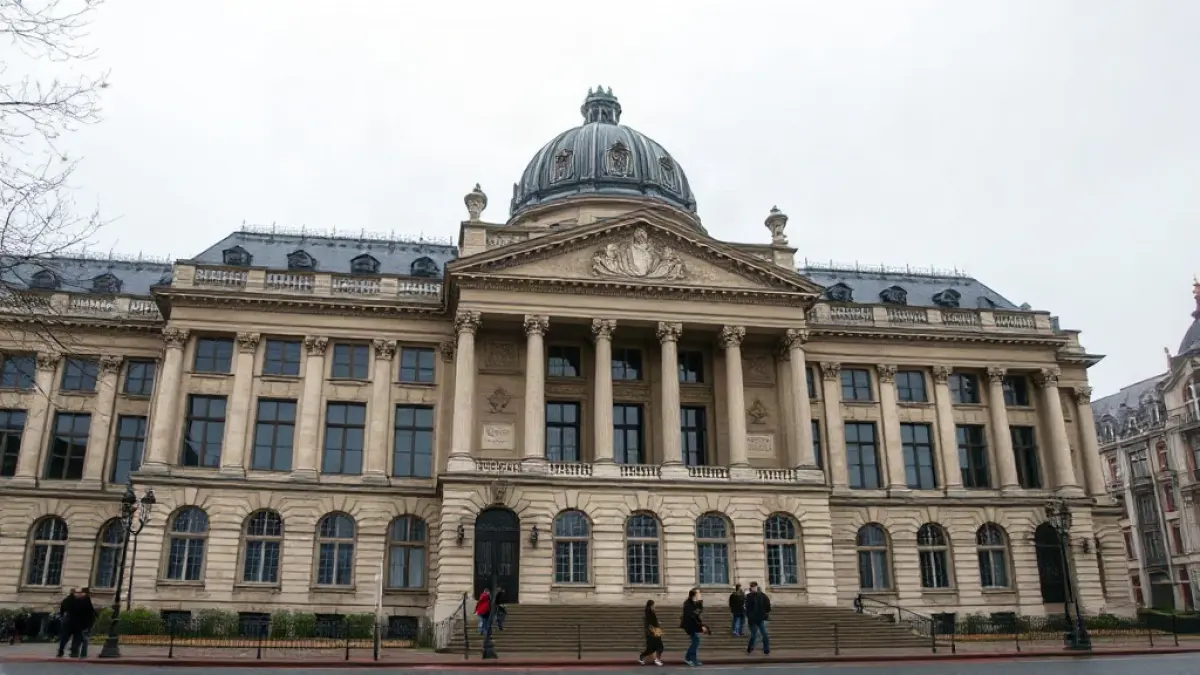
A Palestinian surgeon living in Belgium as a refugee has asked a court in Brussels to order the Belgian state to help bring his wife and four children out of Gaza, even though the family already holds family reunification visas. The hearing took place on Friday 13 November 2026 at the French-speaking Court of First Instance in Brussels. The family remains trapped in the enclave, and the surgeon himself is being treated for an aggressive cancer.
Key facts
- Hearing: 13 November 2026, French-speaking Court of First Instance in Brussels
- Visas: family reunification visas approved on 31 July 2026
- Who is affected: the surgeon's wife and four children, two of them minors
- Where the family is now: Gaza City, after being forcibly displaced
- Claimant's status: refugee status granted in Belgium on 23 March 2026
What is the case about?
The claimant, Dr Mohammed Ayesh, arrived in Belgium in November 2025 after continuing to treat patients during the war in Gaza. Belgium granted him refugee status on 23 March 2026. His lawyer, Hélène Crokart, asked the court to order concrete steps to get his family out, backed by financial penalties if the state fails to act.
The family's visas were approved on 31 July 2026, but his wife and four children — forcibly displaced and now in Gaza City — cannot leave the enclave. Two of the four children are minors. Crokart said the doctor's physical and psychological condition is "alarming". The claim rests on Article 8 of the European Convention on Human Rights, which protects the right to family life, together with the best interests of the children.
What is the Belgian state's position?
Lawyer Clémentine Caillet, for the Belgian state, did not dispute the urgency of the case or the severity of the humanitarian situation. She argued that, because of what she called the region's "complex situation", the measures sought would depend on diplomatic contacts with third countries. She maintained that the action requested involves diplomatic and consular steps and therefore falls within the sphere of foreign relations.
Crokart countered that Belgium has organised evacuations before, first through the Rafah crossing and later via Jordan, and that the state owes obligations to people who have already been granted visas.
What this means for travellers
The case concerns people who already hold Belgian family reunification visas but cannot use them because they cannot leave Gaza. It does not change Belgian visa rules or the way visas are issued. Travellers with questions about family reunification visas should note that the dispute is about evacuation and consular help after a visa has been approved, not about visa approval itself.
What happens next
The source does not report a ruling or a date for one. At the close of the hearing, Dr Ayesh addressed the court, saying: "I will not accept dying here alone." Any decision on whether the Belgian state must act remains pending.
 Palestine
 Jordan