
 AustraliaVisas
Australia's Tuvalu mobility ballot drew 11,225 people for 280 visa places
Australia's Falepili Union mobility programme for Tuvaluans drew 3,075 primary registrations covering 11,225 people in its 2026 ballot, for just 280 visa places a year. Successful applicants get permanent residency in Australia.
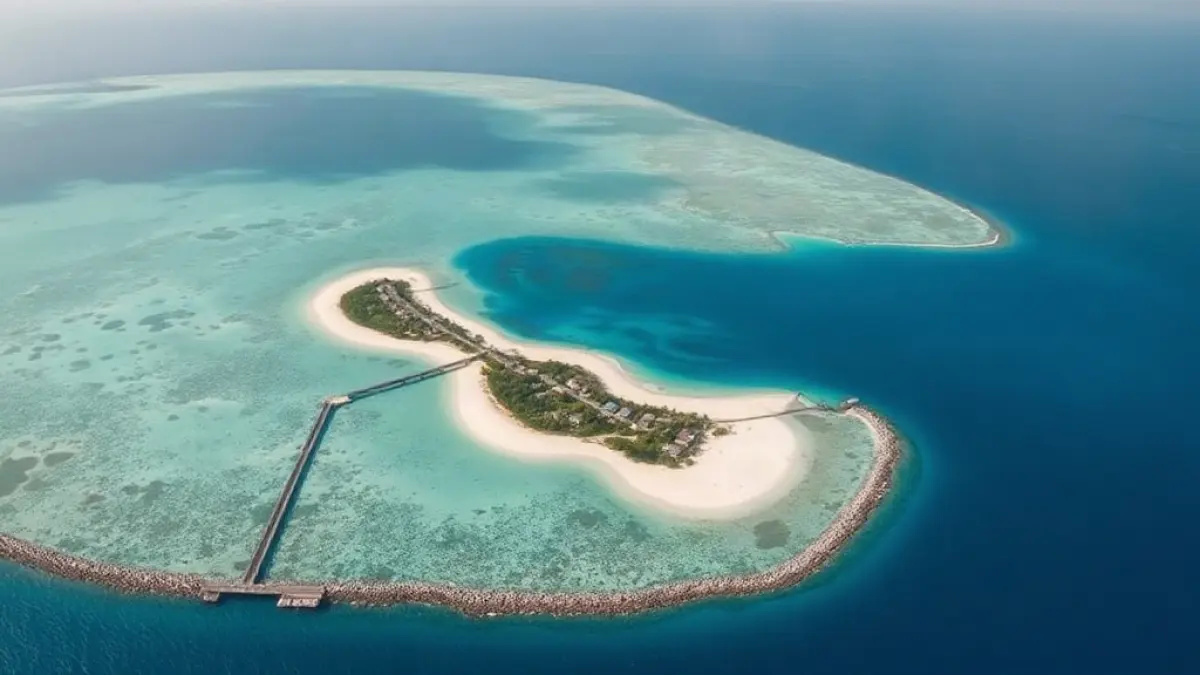
Australia's special mobility programme for Tuvaluans received 3,075 primary registrations in its second visa lottery in 2026, covering 11,225 people once family members are counted, according to figures from Australia's Department of Home Affairs. The scheme offers only 280 visa places a year.
The programme sits under the Falepili Union treaty, which Tuvalu and Australia signed in November 2023 and which entered into force on 28 August 2024. It gives Tuvaluans a route to permanent residency in Australia as rising seas put pressure on their home islands.
Key facts
- 280 visa places are available annually under the Falepili Union mobility programme
- All 280 places were granted in the 2025–2026 program year: 89 primary applicants and 191 secondary applicants
- The 2026 ballot drew 3,075 primary registrations, representing 11,225 people with family members included
- Successful applicants receive permanent residency in Australia
- Holders can travel between Australia and Tuvalu rather than leaving permanently
What does the visa allow?
Under the mobility programme, successful applicants gain permanent residency in Australia. They can live, study and work there, and access healthcare, education and certain social benefits.
Unlike a one-way emigration route, the arrangement allows visa holders to move between Australia and Tuvalu. Australia's Department of Home Affairs recorded all 280 places as granted during the 2025–2026 program year.
How many people are competing for places?
Figures released by Australia's Department of Home Affairs show the second visa lottery in 2026 received 3,075 primary registrations. When family members are included, the registrations represent 11,225 people — against 280 visa places offered annually.
What does the treaty say about Tuvalu's status?
Article 2 of the legally binding treaty explicitly recognises that "the statehood and sovereignty of Tuvalu will continue" despite the consequences of climate-related sea-level rise. The same treaty that lets Tuvaluans build lives abroad also commits both governments to supporting Tuvaluans who remain at home.
Why is migration an option?
Tuvalu comprises nine coral island groups covering about 10 square miles (26 square kilometres), with an average elevation of less than 6.6 feet (2 meters) above sea level. A 2023 NASA assessment found sea levels around the country had risen by about 6 inches (15 centimetres) over three decades, roughly 1.5 times the global average rate.
Areas of Tuvalu that previously saw fewer than five days of high-tide flooding a year could average 25 such days by the 2050s. During king tides, seawater can seep through porous ground and emerge inland, with saltwater contamination affecting farmland and freshwater supplies.
At the same time, Tuvalu is building elevated land in the capital, Funafuti, through the Tuvalu Coastal Adaptation Project run with the United Nations Development Programme. A United Nations Development Programme update from August 2026 said the first phase strengthened nearly 1.8 miles (2.9 kilometres) of coastline and created more than 18 acres (7.3 hectares) of raised land, with later phases aiming to add 33.6 acres (13.6 hectares).
No further ballot dates or application deadlines are stated in the available information; the annual cap of 280 visa places remains the key constraint.
Also about:  Tuvalu