
 ZimbabweTravel
Travel to Zimbabwe? Plan for long medical evacuations outside Harare and Bulawayo
Medical care outside Harare and Bulawayo is limited or non-existent, and poor roads, few lit airports and remote safari areas can delay emergency response, a Zimbabwe-based medical consultant says. Travellers should plan for malaria, snakes and long evacuation times.
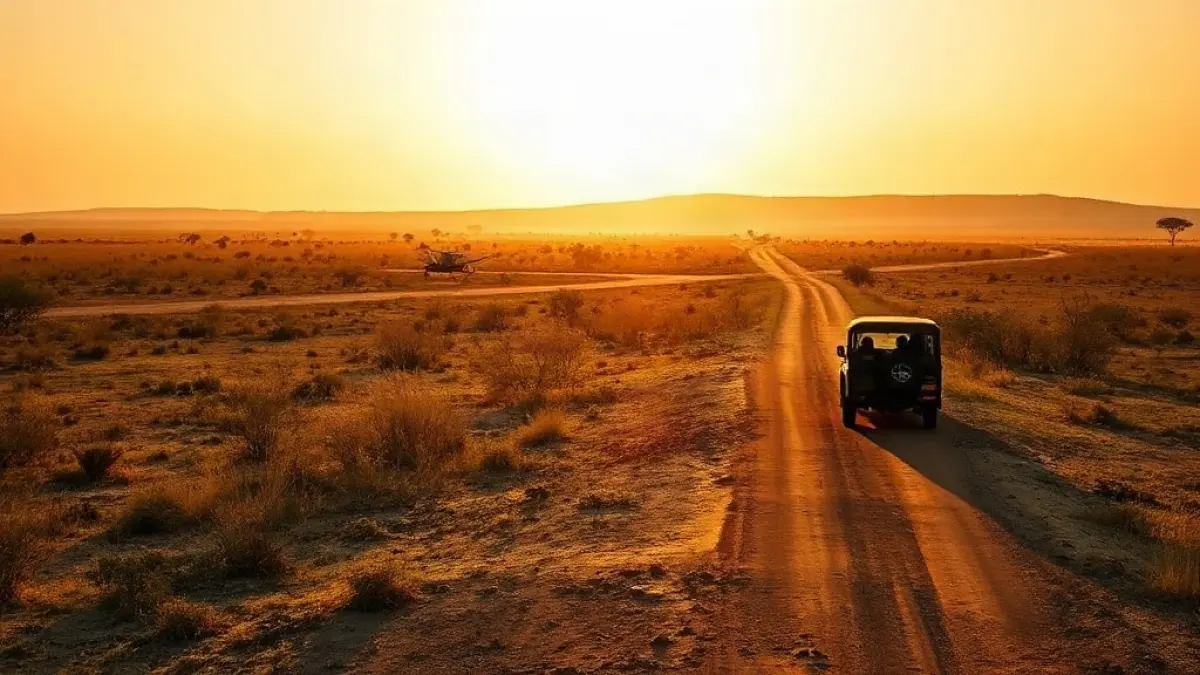
Travellers heading to Zimbabwe's wildlife areas should be aware that medical care outside the two main cities is limited or non-existent, and that poor roads, remote airstrips and patchy communications can slow an emergency response, according to Charles Crawshaw, a medical consultant who has spent a decade working on medical evacuations in the country.
Key facts
- Medical care outside Harare and Bulawayo is limited or non-existent
- Zimbabwe has 17,600km of paved roads, of which less than 3,000km are in good repair
- Only three airports have landing lights
- Some areas have a high incidence of malaria; the country has around 50 species of poisonous snakes and eight varieties of poisonous scorpions
- Parts of the Eastern Highlands lie above 8,000ft, which can limit helicopter performance in hot periods
How limited is the infrastructure?
Zimbabwe is a mainly rural country with limited infrastructure outside its two main cities, Crawshaw explains. Although it is 5% larger than Germany, it has just 17,600km of paved roads compared with Germany's 830,000km — and less than 3,000km of Zimbabwe's paved network is deemed to be in good repair.
Only three airports have landing lights, and much of the country is off grid with no phone connectivity. Distances can be deceptive: Crawshaw recalls an assistance company querying the cost of an ambulance road transfer without realising the patient was eight hours away by road, requiring a 16-hour round trip.
Who is most affected?
Most tourists visiting Zimbabwe head for wildlife areas, which by their nature are often in remote regions. Without knowing what facilities exist in an area, the state of the roads and whether airstrips are serviceable, it is impossible to make informed decisions about the right response, Crawshaw says.
What health risks should travellers consider?
Some areas of Zimbabwe have a high incidence of malaria, a condition with many possible presentations that can become critical very quickly, according to Crawshaw. The country also has around 50 species of poisonous snakes and eight varieties of poisonous scorpions, and knowing where the most dangerous ones are found is valuable local knowledge.
How are remote emergencies handled?
Planning a medical evacuation requires detailed knowledge of road conditions and airstrips to decide between a fixed-wing aircraft, a helicopter or a ground ambulance, Crawshaw says. In the Eastern Highlands, which rise above 8,000ft, heat can limit helicopter performance.
He says a network of rural doctors has been coordinated for emergencies, nurses have been placed in some safari camps, and first aid training and kits are provided so that intervention can start as early as possible. Since Covid-19, he adds, tourists have become more aware of medical facilities.
What this means for travellers
Travellers visiting remote safari or adventure areas should check in advance what medical facilities exist near their destination and how far the nearest care is by road. Considering malaria precautions, being aware of snake and scorpion risks, and understanding how an emergency evacuation would reach them are practical steps that follow from the conditions described.
Crawshaw calls for insurers, assistance companies and travel providers to streamline decision-making to avoid delays in activating a response, and to improve communication so that everyone understands local conditions when decisions are made.