
 YemenTravel
Escalating Yemen Fighting, Saudi Airport Attacks Keep Travel Risk High
Yemen's internationally recognised government says its forces carried out 877 operations in the 24 hours to 11 November 2026, killing or wounding 138 Houthi fighters. The fighting continues alongside claimed Houthi attacks on Saudi airports and holy cities.
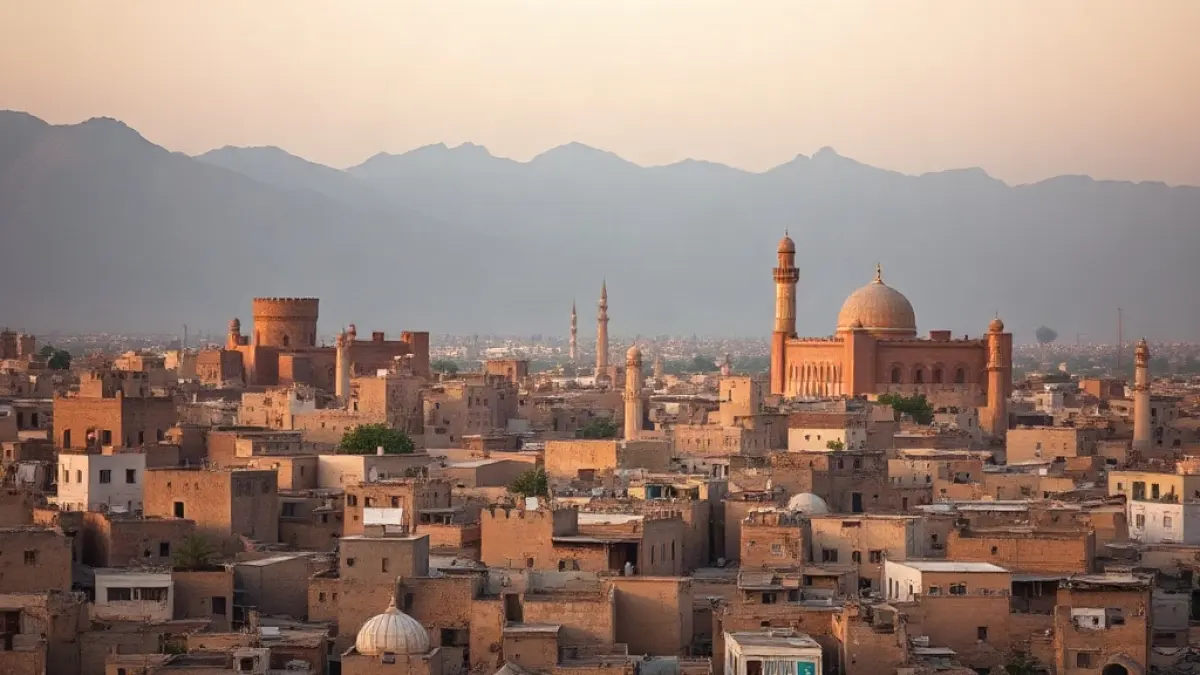
Yemen's internationally recognised government says its forces carried out 877 military operations in the 24 hours to 11 November 2026, killing or wounding 138 Houthi fighters. Col. Majed Abdullah al-Nuzaili, spokesman for the Yemen Armed Forces, said the strikes formed part of Operation Dawn of Yemen and hit Houthi positions on six fronts.
The announcement came as Houthi forces kept up missile and drone attacks towards Saudi Arabia, including claimed strikes on Riyadh's international airport and interceptions over Makkah and Madinah.
Key facts
- 877 operations reported in a single 24-hour period ending 11 November 2026
- 138 Houthi fighters killed or wounded, according to the Yemen Armed Forces
- Six fronts affected: northern Yemen, Al-Jawf, Marib, Al-Bayda, Taiz and southern areas
- 773 of the operations were field artillery strikes
- Operation Dawn of Yemen was announced on 4–5 October 2026 by Yemeni President Rashad al-Alimi
- World Health Organisation (WHO): 2,098 killed and 9,657 wounded across Yemen since August 2026, as of 8 November
What did the government report?
Of the 877 operations, the spokesman listed 773 field artillery strikes, 44 drone strikes, 37 rocket-launcher attacks and 23 aircraft air strikes. He said the strikes destroyed or damaged 86 heavy weapons, vehicles and pieces of military equipment.
The figure is close to the previous day's total: the government reported 874 operations on 10 November, made up of 744 artillery strikes, 62 rocket-launcher barrages, 39 drone attacks and 29 air strikes. Both totals sit well below the campaign peak claimed on 19 October, when the government reported 1,164 operations in 24 hours and said 558 Houthi fighters had been neutralised.
Al-Nuzaili also said the casualties included field commanders trained in Iran by experts linked to the Islamic Revolutionary Guard Corps (IRGC). He did not name them, give their ranks or say how many of the 138 held command positions. Al Jazeera has stated that it cannot independently verify battlefield claims from either side.
Which areas of Yemen are affected?
The operations covered fronts in northern Yemen, Al-Jawf, Marib, Al-Bayda, Taiz and unnamed southern and southwestern areas. Displacement is concentrated along the front lines in Al-Jawf, Marib and Taiz, according to the UN Office for the Coordination of Humanitarian Affairs, which reports more than 323,000 people displaced across Yemen. The WHO separately reported almost 16,000 people displaced in the past week.
Casualties from a 7 November strike on al-Shariya village in Bani Hushaysh district, northeast of Sanaa, continued to rise through the week. The Houthi-run health ministry's count reached 44 killed, including 21 children and 10 women, and 40 wounded as of 9 November. The UN Human Rights office has recorded 284 civilian casualties since August 2026, including 70 killed and 214 injured.
What is happening with attacks on Saudi Arabia?
On 12 November the Saudi-led coalition said it intercepted three cruise missiles and two drones targeting Riyadh and Makkah. Houthi military spokesman Yahya Sarea disputed that account, asserting that three cruise missiles reached King Khalid International Airport; no independent confirmation of his claim was available. On 15 November the coalition said air defences intercepted three drones over Mecca and Medina, which Sarea denied.
On 10 November Sarea claimed four simultaneous operations targeting King Khalid International Airport, the Abqaiq oil facility, the Riyadh Financial Centre and a military site in Lahj. The Saudi Cabinet that day called for an immediate end to threats in the Strait of Hormuz and Bab al-Mandeb. Houthi attacks on Red Sea shipping through Bab al-Mandeb have continued alongside the ground offensive.
What this means for travellers
The source describes no changes to visas, passports or entry rules for Yemen or Saudi Arabia. What it does show is an active conflict affecting routes and destinations used by travellers: claimed attacks on King Khalid International Airport, drone interceptions over Mecca and Medina, and continuing threats to shipping through Bab al-Mandeb.
Travellers with flights, pilgrimages or journeys involving those places should monitor security and travel updates before departure, and check whether their routes pass through areas the source names as front lines, including Al-Jawf, Marib and Taiz.
What happens next
No end date for Operation Dawn of Yemen has been announced. Analysts quoted in the source expect the fighting to continue: Yazeed al-Jeddawy of the Sana'a Center for Strategic Studies said on 5 November that the conflict increasingly resembles a prolonged war of attrition, while the Soufan Center assessed on 12 November that most analysts believe Sanaa cannot be captured without active intervention by outside allies. Egypt's foreign minister confirmed on 10 November that Egyptian troops had been in Saudi Arabia for months, and Syria has reportedly sent military advisers.
Also about:  Saudi Arabia
 Iran
 Egypt
 Syria