
 United StatesVisas
US work options for MBA graduates beyond the H-1B visa
International MBA graduates have several routes to US work authorisation besides the H-1B visa, including STEM OPT, the L-1 transfer visa and the O-1A. Experts advise researching each route early and choosing employers that sponsor.
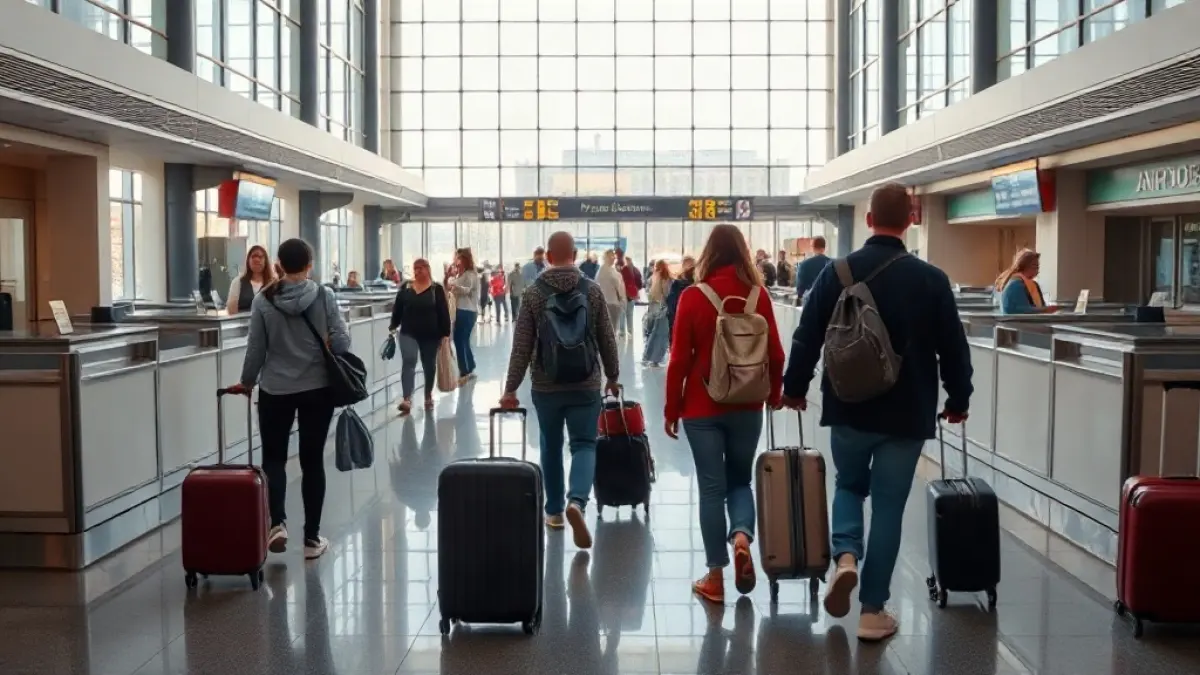
The H-1B visa allows international graduates to work in the United States for up to six years after business school, but it is not the only way to secure US work authorisation. Three other routes — STEM Optional Practical Training (OPT), the L-1 intracompany transfer visa and the O-1 visa — can also let MBA graduates work in the country.
Key facts
- H-1B: permits graduates to stay and work in the US for up to six years after business school.
- STEM OPT: extends Optional Practical Training from one year to three years, but only for graduates hired into a STEM role.
- L-1 visa: no annual cap; L-1A holders can stay up to seven years after extensions, L-1B up to five years.
- O-1 visa: no cap and applications accepted year-round; approval rates tend to exceed 85%, with a record 20,000 granted in 2025.
Why are graduates looking beyond the H-1B?
The H-1B has faced a number of challenges in recent years, prompting many students to explore alternative routes to working in the US. Unlike the L-1 and O-1, the H-1B scheme has both an application deadline and an annual cap.
How does STEM OPT work?
One option is to take a STEM-designated MBA programme. A programme earns this designation when more than 50% of its content focuses on science, technology, engineering or math. Emory University's Goizueta Business School holds STEM designation for its MBA.
Studying a STEM MBA extends the period overseas students can work in the US on Optional Practical Training from one year to three years — but only if they are hired into a STEM role. Brian Mitchell, associate dean of full-time MBA programs at Goizueta, said a STEM MBA "can also be a helpful factor when being considered for a visa."
How does the L-1 visa work?
The L-1 lets multinational businesses transfer key staff to their US office, with no annual cap on numbers. The L-1A covers managers and executives transferring to a US office or entering to set one up; the L-1B covers employees with specialised knowledge of a company's products, services or systems.
An employee can only be granted an L-1 visa after working continuously for the company's non-US office for 12 months within the previous three years. L-1A holders can stay a maximum of seven years after extensions, while the L-1B has a maximum extension period of five years.
How does the O-1 visa work?
The O-1A is the variant most relevant to business school graduates. U.S. Citizenship and Immigration Services describes it as covering foreign workers with "extraordinary ability in the sciences, arts, education, business, or athletics."
There is no cap on O-1 visas and they can be filed year-round. The approval rate tends to be more than 85%, and a record 20,000 were granted in 2025. The risk is that applicants exaggerate their achievements: anyone found guilty of fraud could be barred from applying for any US visa in future.
What should applicants do to improve their chances?
US admissions consultant Stacy Blackman says it is more important than ever to have a plan B. She recommends targeting employers with a history of hiring international talent and familiarity with OPT and STEM OPT, so candidates do not get far into recruiting before discovering the employer will not sponsor.
Blackman also urges students to look beyond the first years after graduation: ask whether the company sponsors H-1Bs, whether it has offices outside the US, and whether an international transfer would be possible. Large consulting firms and other multinationals — she names McKinsey, Bain and BCG — hire international MBA graduates and have offices around the world.
Barbara Coward, founder of MBA 360 Admissions, advises asking schools up front which roles their international graduates actually land, what the starting salary distribution looks like rather than just the median, and which employers sponsor year after year. Careers expert Marcelo Barros says securing work authorisation is difficult and depends on perseverance and proving your unique value to employers, though he notes that thousands of international MBAs secure US jobs every year.
The guidance was updated in September 2026. No new visa rules, fees or deadlines are announced in it.