
 United StatesVisas
US travel ban and visa freeze leave Iranian researchers in limbo
A US travel ban covering Iran and a freeze on visa, green card and work permit processing that ran from December 2025 to June 2026 have disrupted Iranian students and researchers. Nearly 12,000 Iranian postgraduates were in the US in 2024–25.
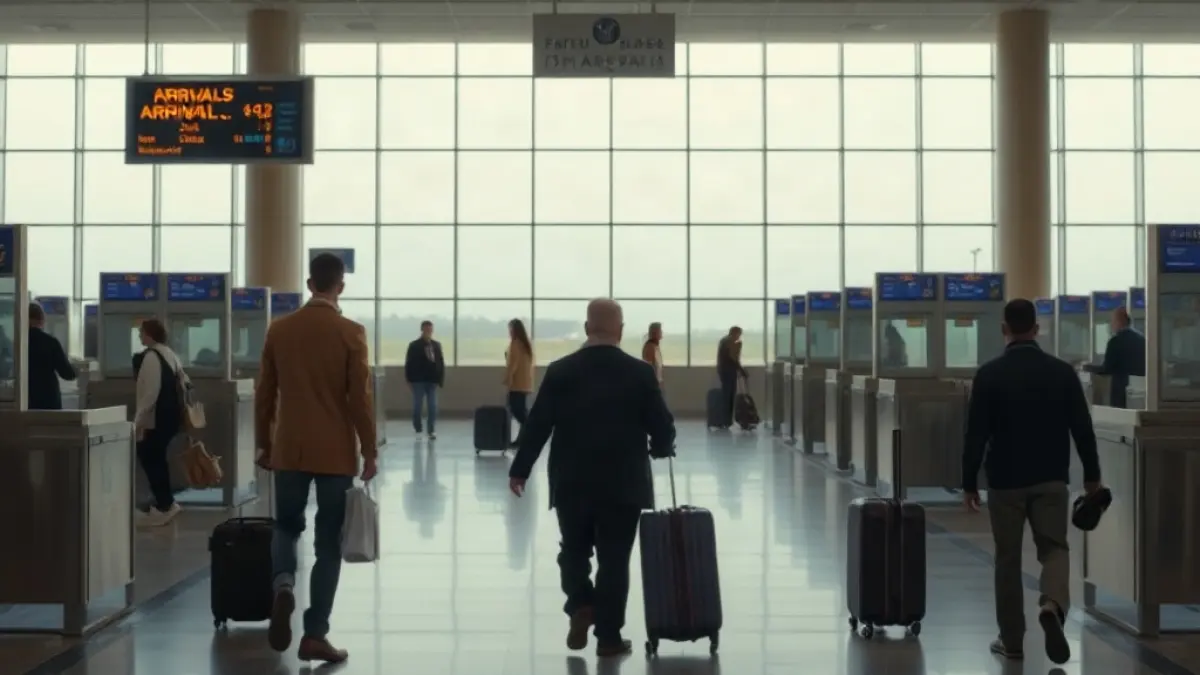
Iranian students and researchers in the United States have faced travel restrictions, stalled immigration applications and lost job offers as a result of US policy changes introduced since June 2025. The measures affect people from Iran and more than three dozen other countries, and left many unable to work, change status or re-enter the United States for months.
Key facts
- June 2025: a presidential proclamation barred entry to the United States for people from 12 countries, including Iran, with limited exceptions and case-by-case waivers.
- December 2025 and January 2026: two executive agency memos expanded the travel ban to 39 countries and effectively froze application processing.
- The freeze covered student visas, permanent residency (green cards) and work authorization, and lasted until June 2026.
- Nearly 12,000 Iranian postgraduate students were training in the United States in the 2024–25 academic year.
What changed?
In June 2025, the administration of US President Donald Trump issued a travel ban covering 12 countries, Iran among them. The proclamation said Iran was included because it is a state sponsor of terrorism. Entry was barred subject to limited exceptions and waivers decided case by case.
Then, in December 2025 and January 2026, two executive agency memos citing national security extended the ban to 39 countries and effectively halted the processing of all applications from those countries. That included student visas, applications for permanent residency and requests for work authorization.
Who is affected?
Citizens of the 39 countries listed in the memos are directly affected. Iranian postgraduate students and early-career researchers in the United States are among those hit hardest, according to accounts from researchers who described their situations on condition of anonymity.
One PhD graduate in engineering lost a job offer from a US engineering company and a postdoctoral position because she lacked work authorization. Her application for Optional Practical Training — work authorization of up to three years available to graduates in science, technology, engineering and mathematics (STEM) fields — was also frozen. After graduating in December 2025, she sold most of her possessions and spent half a year staying with friends and family in Illinois, Alabama, Missouri, North Carolina and Minnesota.
Another student who travelled to Iran in May 2025 could not return after the travel ban took effect. His visa had expired and he had planned to apply for a new one during the trip. He resigned from his PhD in August after exceeding his university's limit of two academic semesters of leave.
How long did the freeze last?
Between December 2025 and June 2026, the federal government would neither approve nor deny applications for work authorization or changes in legal status, leaving applicants from the 39 countries in uncertainty over their ability to stay, work or travel.
Why is this happening?
A spokesperson for the US Department of State said the memos were issued to "protect the national security, public safety, and national interests" of the United States and its people, adding that a visa is a privilege, not a right. The department adjudicates each visa application on a case-by-case basis, the spokesperson said.
Kevan Harris, a sociologist at the University of California, Los Angeles, who studies Iranian politics, said the policy supports the administration's efforts to reduce immigration, including by international students. Increasing the burden on people leads some to leave, he said.
What this means for travellers
Travellers and students from the affected countries should check the current status of any pending visa, residency or work authorization application before booking travel or accepting employment. Anyone holding a visa that has expired should note that a valid visa is required for re-entry to the United States.
The wider conflict involving the United States, Israel and Iran is ongoing, and the Department of State says it continues to assess visa applications individually. No further policy changes have been announced.
 Iran
 Israel