
 United StatesVisas
US Supreme Court weighs legality of H-2A visa employer fines
The US Supreme Court heard arguments on whether the Labor Department can fine employers who breach H-2A agricultural visa rules. A New Jersey farm is fighting $211,800 in penalties and nearly $345,000 in back wages.
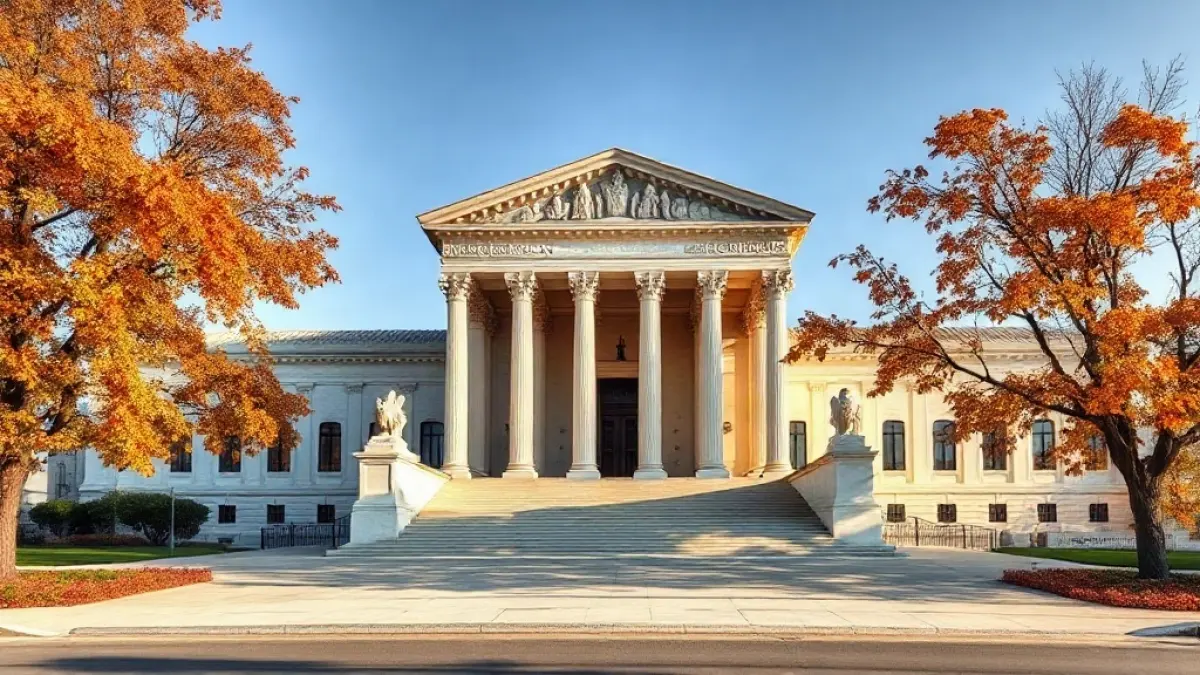
The US Supreme Court heard nearly two hours of argument on Tuesday over whether the Labor Department's system for fining employers who break rules on the H-2A temporary agricultural work visa is constitutional. The government's lawyer acknowledged the possibility of losing, a result that could reshape how visa-related penalties are handled.
Key facts
- The case concerns the H-2A visa, which lets foreign workers enter the United States temporarily to do agricultural work.
- Certified employers must meet conditions including kitchen access or a meal plan, suitable housing and transport to the work site.
- New Jersey farm Sun Valley Orchards is challenging $211,800 in civil penalties and nearly $345,000 in back wages.
- The farm argues it should be able to bring its challenge before a Senate-confirmed federal judge earlier.
- No ruling has been issued, and no date for a decision is given.
What is being decided?
Congress gave the Labor secretary power to initially adjudicate fines for violations, creating what is effectively an in-house court system inside the executive branch. The question before the justices is whether that arrangement is constitutional, or whether the farm has the right to have its case heard earlier by a Senate-confirmed federal judge.
Why does it matter for H-2A workers and employers?
The H-2A visa allows foreigners to enter the country to perform agricultural work temporarily. Employers certified under the program must agree to conditions such as providing access to a kitchen or a meal plan, suitable housing and transportation to the work site.
Court documents in the Sun Valley Orchards case show the investigation found the company made false promises about kitchen access, transported workers in buses driven by unlicensed drivers, failed to keep sufficient hot water in bathrooms and attempted to unlawfully make workers waive their rights.
What did the justices ask?
The government's defence rests on Congress's ability to assign the executive the power to adjudicate cases involving "public rights", with Supreme Court precedent long recognising immigration as one. The farm, represented by Rob Johnson of the Institute for Justice, says that exception covers only the power to control who can cross the border, calling the dispute "a far cry from a case about labor issues at a farm in New Jersey with a mix of foreign and domestic workers".
Several conservative justices pressed Sarah Harris, principal deputy solicitor general, on that point. Justice Neil Gorsuch asked why the court should read the law to "allow you to set up a whole court system". Justice Clarence Thomas suggested "you can't really rely on immigration as a basis for this", and Chief Justice John Roberts said the government seemed to be extending broad authority beyond the justification for it.
Justice Sonia Sotomayor asked Harris how the government could lose in the narrowest way. Harris said a loss would be significant but unclear rules would be worse: "It would be a big deal for the government to lose, but an even bigger deal would be to have a mess."
What this means for travellers
Nothing changes for H-2A applicants or workers yet. The case is under submission, and the outcome could affect how penalties against employers who breach H-2A conditions are imposed and challenged. Anyone planning agricultural work on an H-2A visa should keep track of the ruling, since it concerns the enforcement of employer obligations such as housing, meals and transport.
Harris closed by asking the justices to signal early if legislation would be needed, warning: "Because this will snowball." No timeline for a decision has been announced.