
 United StatesVisas
US judge bars student visa penalties for pro-Palestine speech
A US federal judge ruled on 28 August 2026 that using deportation and visa revocation against international students over pro-Palestine speech is unconstitutional. The government has appealed the decision to the Ninth Circuit.
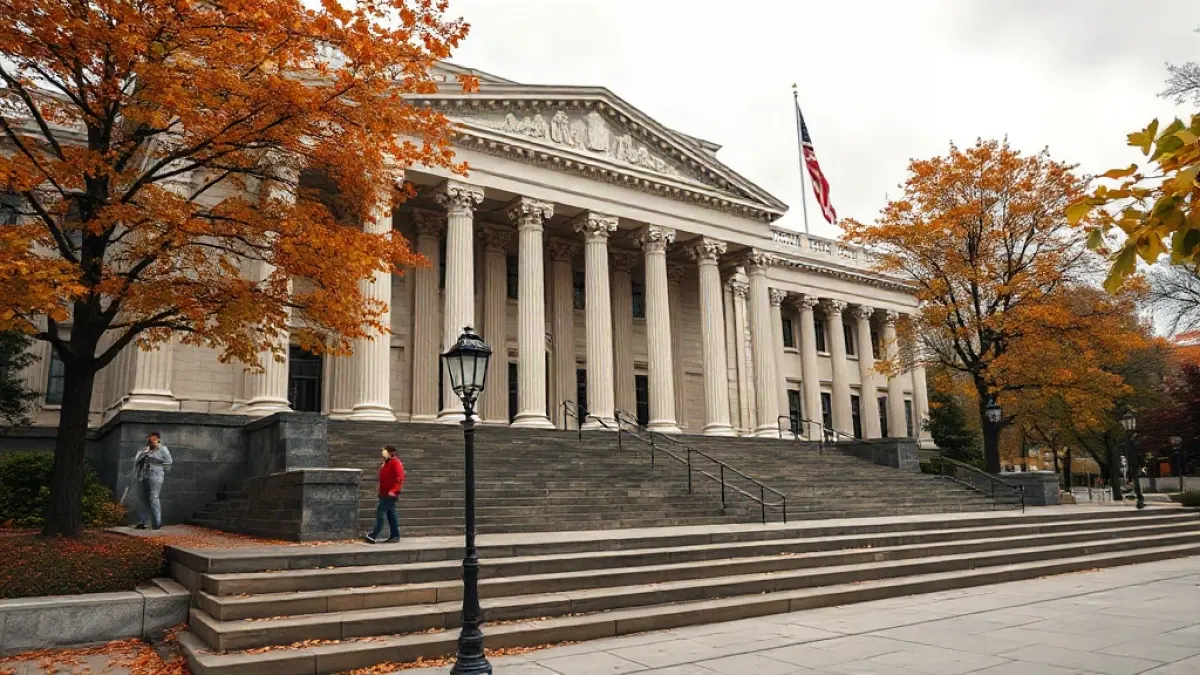
International students in the United States cannot be deported or stripped of their visas because of pro-Palestine speech, a federal judge ruled on 28 August 2026. The court found that the administration's use of immigration powers against students over their advocacy violated the First and Fifth Amendments, and the government has already appealed.
Key facts
- 28 August 2026: a federal judge ruled that the deportation and visa-revocation provisions of the Immigration and Nationality Act (INA) are unconstitutional when used because of protected speech.
- The lawsuit was filed on 6 August 2025 by the Foundation for Individual Rights and Expression (FIRE) on behalf of The Stanford Daily, an independent student newspaper.
- The government appealed in October 2026; the appeal was formally registered before the Ninth Circuit as Case No. 26-6906.
- In August 2026, a separate federal judge ruled that suspending visa processing from 75 countries was contrary to law and beyond statutory authority.
- The update covers developments in the United States from 1 July to 30 August 2026.
What did the judge decide?
The court held that the INA's deportation provision, and the rules on revoking visas, cannot be applied to punish people for speech protected by the Constitution. The judge found the challenged part of the deportation provision was neither narrowly tailored nor the least restrictive means of serving any government interest, and therefore unconstitutional under the First Amendment as applied to protected speech.
The plaintiffs argued that INA provisions had been weaponised to target students engaged in pro-Palestine speech. They said writers holding student visas were declining assignments related to the conflict in the Middle East for fear that even reporting on it could endanger their immigration status.
The ruling follows earlier decisions on government efforts to deport international academics and students over speech officials objected to.
Who brought the case?
FIRE filed the lawsuit on 6 August 2025 on behalf of The Stanford Daily, an independent student newspaper. Gary Green, Executive Director of the Student Press Law Center, said the ruling showed that "the government cannot weaponise immigration law to punish and silence speech it doesn't like".
What happens next?
The government appealed the decision in October 2026, and the case was formally registered before the Ninth Circuit as Case No. 26-6906. No date for the appeal hearing is given.
What other US immigration measures changed in this period?
In August 2026, a federal judge ruled that a policy suspending visa processing from 75 countries was contrary to law and in excess of statutory authority. The State Department had announced the policy in January, saying it aimed to stop people from the listed countries entering to seek public assistance while living in the United States.
On 27 July 2026, the administration issued a regulation allowing US Citizenship & Immigration Services (USCIS) to skip interviews with asylum seekers, where they could give details of persecution at home beyond what their documents contain. On 6 August 2026, two executive orders were issued to narrow eligibility for citizenship and to clamp down on visas used to travel to the US to give birth.
What this means for travellers
For international students, academics and journalists on US visas, the court has ruled that speech on Palestine cannot be used as grounds for deportation or visa revocation. Because the government has appealed, the legal position is not yet final, and the Ninth Circuit proceedings in Case No. 26-6906 are the next development to watch.
Also about:  Palestine