
 United StatesTravel
U.S. State Department's Five-Step Checklist for Travellers Going Abroad
The U.S. State Department sets out five steps American travellers should complete before leaving the country: research the destination, enrol in STEP, organise documents, review safety needs and buy travel medical insurance.
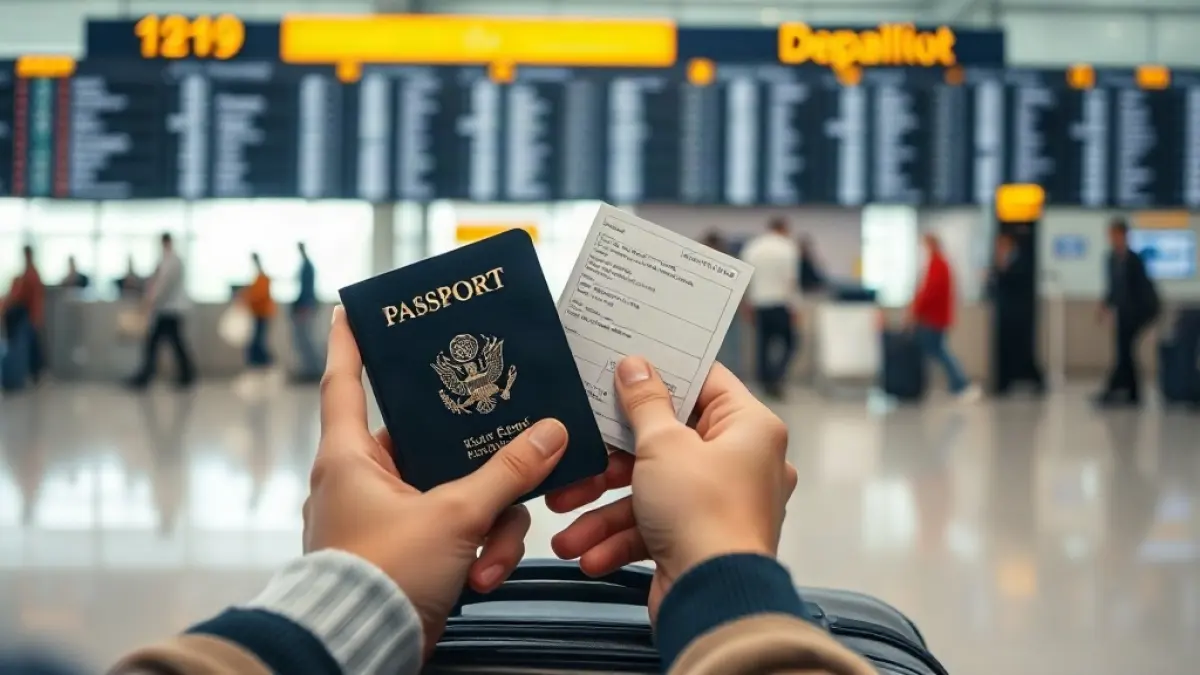
The U.S. State Department's International Travel Checklist lists five steps for American travellers to complete before leaving the United States. The step with the largest financial stakes is insurance: U.S. health insurance, including Medicare and Medicaid, usually does not cover care abroad, and the U.S. government does not pay medical bills overseas.
Key facts
- All five steps are to be done before departure
- Travel advisories are rated from level one to level four, with risk letters and an issue date
- Passports for children under 16 are valid for only five years
- Some countries, especially in Europe, require a passport valid for at least six months after travel dates
- The U.S. government provides no insurance and pays no costs for Americans abroad, including medical bills
What are the five steps?
The checklist asks travellers to learn about their destination, join the Smart Traveler Enrollment Program (STEP), organise their travel documents, review travel needs and safety tips, and consider travel insurance. Each step is broken down in more detail below, drawing on the State Department's country pages.
What does the destination page tell me?
Each destination page starts with a travel advisory showing a level from one to four, the risk letters behind that level and the date it was issued. It also carries tips from the U.S. embassy, entry, exit and visa requirements, how long a passport must remain valid, embassy contact details, local laws and special circumstances, and vaccine and health information.
The detail varies sharply by country. China's page says visitors must register within 24 hours of arrival at their hotel or residence, re-register at every new location, and carry their passport and visa at all times. Russia's page notes that U.S. credit and debit cards no longer work there.
What should I organise before I fly?
The department advises gathering your documents and making several copies: leave one set with a trusted friend or relative, keep another set with you but separate from the originals, and photograph everything so lost or stolen documents can be replaced. Travellers should check a passport's expiry date as soon as planning begins and apply early if a new one is needed.
The checklist also asks travellers to confirm whether the destination requires a visa or an electronic travel authorisation. Some prescription and over-the-counter medicines that are legal in the United States are not legal abroad, so bring prescription copies and labelled bottles. Parents travelling without the other parent may need custody papers or a notarised letter of permission, and because many countries do not accept a U.S. driver's licence, an International Driving Permit and extra auto insurance may be necessary.
How does STEP work?
The Smart Traveler Enrollment Program sends email alerts and updates from the U.S. embassy or consulate covering security alerts, demonstration alerts, health alerts, weather or natural disaster alerts, travel advisory updates and routine messages about embassy services. Enrolling also helps the embassy or consulate reach a traveller or an emergency contact in an emergency. Sign-up is handled through the department's mytravel.state.gov site.
Why is travel insurance so important?
The State Department highly recommends travel medical insurance covering emergency care and medical evacuation, either as a separate plan or within a policy that also covers trip cancellation or interruption, and urges travellers to read policies carefully to see what is and is not covered. It lists three kinds of coverage to consider: travel health insurance, emergency medical evacuation and international auto insurance.
Country pages show why this matters. China's page says hospitals and doctors require payment before service or admission, even in emergencies, and that most hospitals abroad do not accept U.S. health insurance.
What this means for travellers
American travellers should read their destination's advisory, enrol in STEP, copy their documents, check passport validity and visa or authorisation requirements, and arrange medical cover before booking is finalised. The checklist also points to guidance on crisis response and evacuations, lodging safety, medicine and health, laws abroad and trusted traveller programs, plus advice for specific travellers and trips, from accessibility needs and women travellers to adventure travel, cruises and studying abroad.
The department notes that requirements and advisories change and that travellers should confirm current information for their destination at travel.state.gov before they travel. No new deadline applies to these steps — they are preparations to be completed before departure.
 Russia
 China