
 United StatesVisas
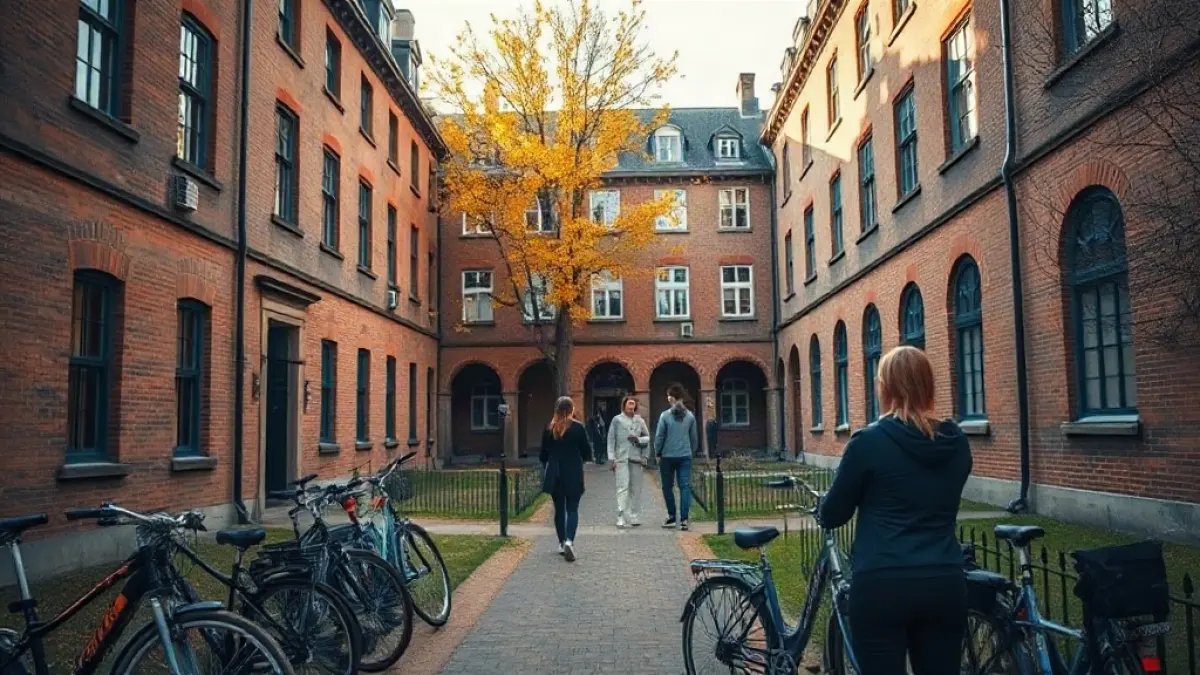
Netherlands campuses brace for more foreign students as US, UK intake falls
A survey of 437 universities in 63 countries found international undergraduate numbers fell 19% in Britain and 13% in the US, as visa delays and tougher screening steer students toward Asia and continental Europe.
International students are increasingly choosing universities in Asia and continental Europe over institutions in the United States and Britain, according to a global survey of 437 universities in 63 countries released on 12 November 2026. Tighter visa rules and government policies were identified as the biggest barriers to recruitment.
Key facts
- International undergraduate numbers fell 19% in Britain and 13% in the US in the October–August period compared with a year earlier.
- Canada and Australia also saw weaker demand, while universities in Asia and Europe reported stronger international enrolment growth.
- Visa restrictions and government policies were the biggest barriers to recruitment, the survey found.
- More than a third of American institutions expect enrolments to decline further in the coming years.
- The survey was conducted by Studyportals, NAFSA and the Oxford Test of English.
What did the survey find?
The survey covered 437 universities across 63 countries. Studyportals is a Netherlands-based student recruitment platform, NAFSA is a US-based non-profit that advocates for international education, and the Oxford Test of English is run by Oxford University Press.
Britain and the US recorded the steepest declines in international undergraduate numbers over the October–August period. American institutions were the most pessimistic about the outlook, with more than a third expecting enrolments to fall further in the coming years.
International students typically pay far higher fees than domestic students and are a major source of revenue for universities, helping offset teaching and research costs in their host countries.
What is driving the shift?
The survey found that visa restrictions and government policies were the largest obstacles to recruitment. Processing delays, tougher screening and changes to post-study work rules have prompted students to defer or abandon plans to enrol.
In the US, President Donald Trump tightened scrutiny of international students, expanding social media checks, revoking thousands of visas and introducing tougher rules on how long students can stay. The survey was conducted before the 3 November midterm elections, in which Democrats won control of both chambers of Congress, although Trump retains executive authority over visa rules.
Britain has tightened its student visa rules as successive governments seek to reduce immigration. Most international students are restricted from bringing dependants, and there are plans to shorten the period graduates can remain in the country to work or seek employment.
Fanta Aw, executive director and CEO of NAFSA, said "National policies matter to international students" making decisions about where to study, conduct research or start a career.
What this means for students planning to study abroad
Students considering study in the US or UK should factor in possible visa processing delays and tougher screening, and check the current rules on dependants and post-study work before committing to a programme. Those weighing destinations in Asia or continental Europe may find stronger enrolment momentum there, though the survey does not set out the entry rules of any specific country.
No further survey details or country-by-country figures have been released.
Also about:  United Kingdom
 Canada
 Australia
 Netherlands