
 United StatesVisas
Koreans face record U.S. visitor visa refusal rate of 24.73% in 2025
Nearly one in four South Korean applicants for U.S. B1 and B2 visitor visas were refused in U.S. fiscal year 2025, the highest adjusted rate since comparable data began in 2020.
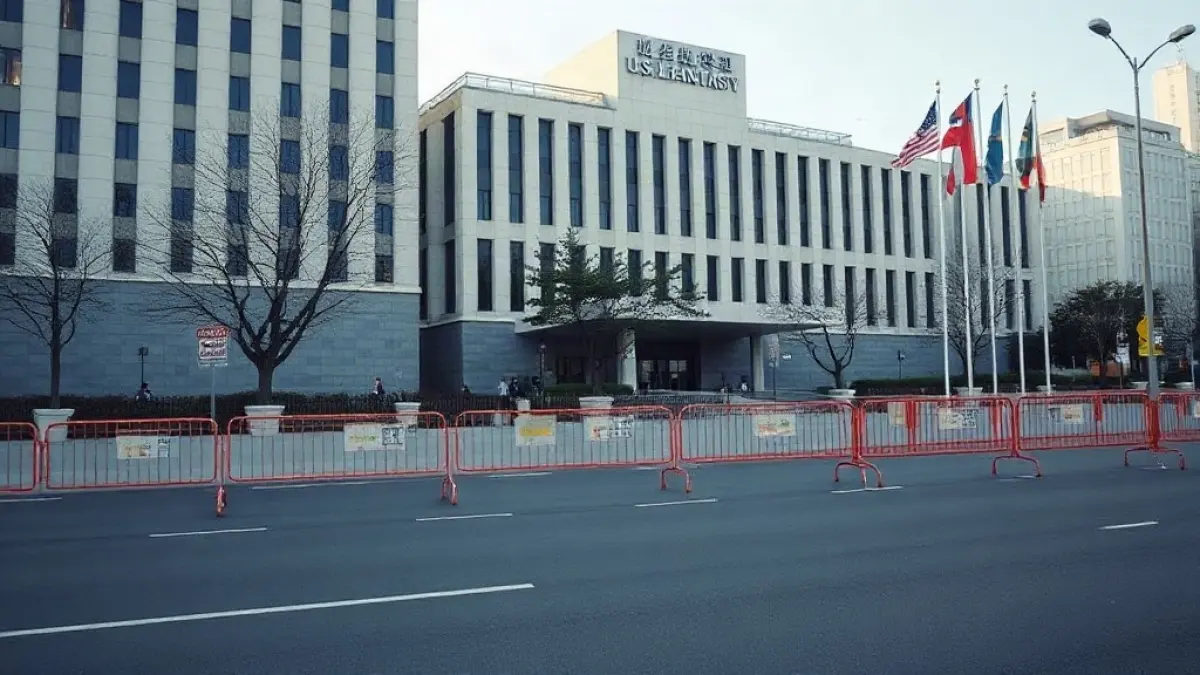
The adjusted refusal rate for U.S. B1 and B2 visitor visas granted to Korean nationals reached 24.73 percent in U.S. fiscal year 2025 — the highest level since comparable records began in 2020. South Korea's Ministry of Foreign Affairs released the figure to the office of Rep. Kim Dai-sik of the opposition People Power Party on Monday.
U.S. fiscal year 2025 ran from October 2024 through September 2025. The B1 visa covers short-term business travel and the B2 visa covers tourism.
Key facts
- 24.73 percent of Korean B1/B2 applications were refused in U.S. fiscal year 2025
- The rate rose 9.76 percentage points from 14.97 percent the previous year
- The figure is an adjusted rate: it excludes applicants first refused but later issued visas after submitting extra documents
- The data covers October 2024 to September 2025
- Rates for other countries in the same period: Japan 5.68%, Germany 12.22%, France 9.67%, China 20.21%, Britain 20.44%, Vietnam 22.08%, India 22.04%
How does this compare with previous years?
The refusal rate for Korean nationals stood at 8.46 percent in 2020, 18.03 percent in 2021, 17.38 percent in 2022, 14.44 percent in 2023 and 14.97 percent in 2024, before surging to nearly 25 percent in fiscal 2025.
Korean applicants were refused at a higher rate than nationals of other major U.S. allies. Japan's rate edged down 0.08 percentage points to 5.68 percent. Among U.S. allies that take part in the Electronic System for Travel Authorization (ESTA) — the automated system that checks whether travellers can enter the United States under the Visa Waiver Program — the rate was 20.44 percent for Britain, 12.22 percent for Germany and 9.67 percent for France.
Britain's rate rose by 2.41 percentage points and France's by 1.17 percentage points, both modest increases compared with Korea's jump. China, which has no visa waiver agreement with the United States, saw its rate fall to 20.21 percent from 25.37 percent in 2024. India stood at 22.04 percent and Vietnam at 22.08 percent.
Why is this happening?
The Foreign Ministry said the United States does not give detailed reasons for refusals, making the cause hard to establish. The ministry said it presumes "tighter visa screening policies may have had an impact" as immigration has become a contentious domestic political issue in the United States.
Other questions have been raised. More than 300 Korean workers were detained by U.S. immigration authorities in September 2025 at a construction site for a Hyundai Motor and LG Energy Solution battery plant in Georgia. Some have suggested immigration authorities under the Donald Trump administration may have placed Korea under heightened scrutiny and tightened visa standards. Critics have also pointed to strains in Korea–U.S. relations, including tariff and security negotiations, the Coupang data leak and restrictions on intelligence sharing.
The issue has reached senior levels: Rep. Jung Chung-rae of the ruling Democratic Party was unable to obtain a U.S. visa and had to switch to a European inspection team during a parliamentary audit.
What this means for travellers
Korean nationals applying for U.S. business or tourism visas now face a record level of refusal, and Korean companies dispatching staff to the United States are among those affected by the stricter screening described in the data. Applicants who are first refused can still be granted a visa after submitting additional documents, since such cases are excluded from the published rate. Anyone planning travel should check the current visa category and application requirements before making bookings.
No changes to U.S. visa rules, fees or procedures for Korean applicants have been announced. Calls from Korean lawmakers for steps to repair security cooperation between the two countries are continuing.
Also about:  South Korea