
 United StatesVisas
Filipino Family-Based Visa Dates Advance; Adjustment Filings Open
The U.S. Department of State published the October 2026 Visa Bulletin, opening fiscal year 2027 and a new annual immigrant visa allocation. Family-based filing dates advance for the Philippines, and USCIS will accept adjustment of status filings on the Dates for Filing chart in October.
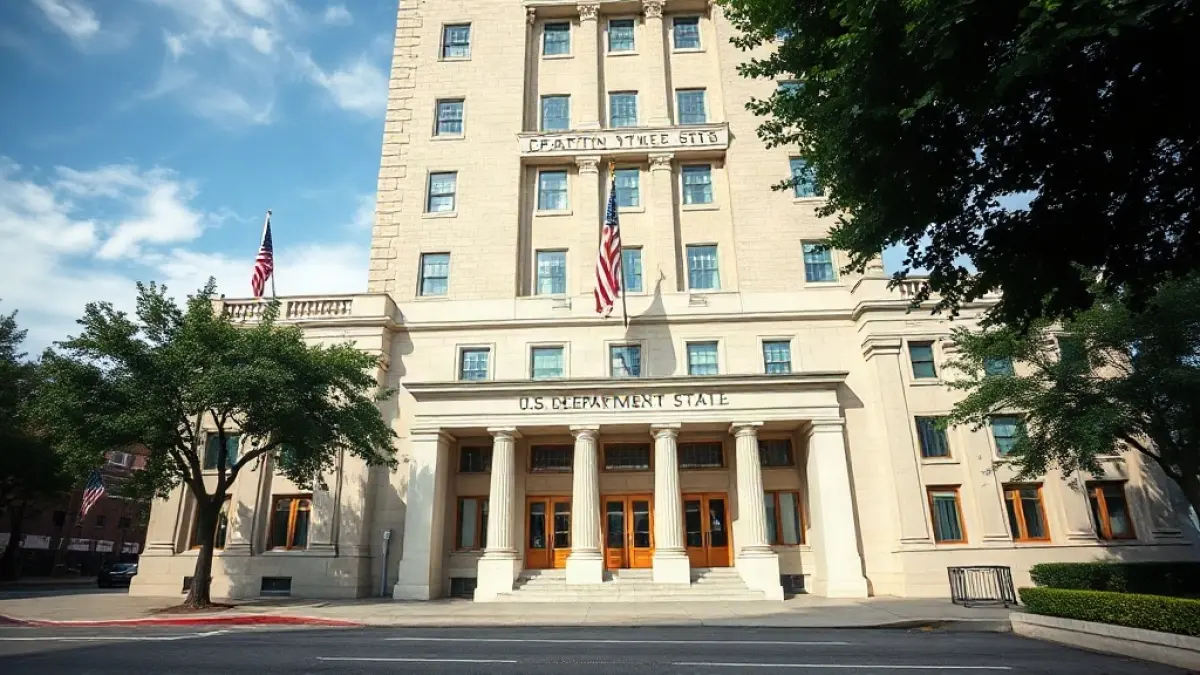
The U.S. Department of State has published the October 2026 Visa Bulletin, which begins fiscal year 2027 and releases a new annual allocation of employment-based and family-based immigrant visa numbers. Filipino applicants see several family-based dates move forward, and U.S. Citizenship and Immigration Services (USCIS) confirmed that all employment-based and family-based adjustment of status applicants may use the Dates for Filing chart in October 2026.
Key facts
- The bulletin covers October 2026, the first month of U.S. fiscal year 2027.
- Applicants with a priority date earlier than the date listed for their category and country of chargeability may file Form I-485 this month.
- For the Philippines, filing dates advance in the F-2B, F-3 and F-4 family categories.
- EB-2 visa numbers for India become available again with a Final Action Date of 1 November 2013.
- The non-minister religious worker programme runs only through 11 December 2026.
What has changed for applicants born in the Philippines?
In the F-2B category (unmarried sons and daughters aged 21 or older of green card holders), the filing date advances to 1 October 2014, and the final action date moves to 1 October 2013. For F-3 (married sons and daughters of U.S. citizens), the filing date advances to 22 October 2006, with the final action date moving to 22 July 2006.
For F-4 (brothers and sisters of adult U.S. citizens), the Philippines moves to 22 March 2009 for filing and 15 May 2008 for final action. In F-1 (unmarried sons and daughters aged 21 or older of U.S. citizens), filing dates did not change, while the final action date advances to 1 November 2013. F-2A filing remains current for all countries, with the final action date at 22 September 2026 for all countries other than Mexico. In employment-based EB-3 Other Workers, the Philippines remains at 1 January 2024 for dates for filing.
What is changing in the employment-based categories?
EB-1 filing dates for India and China move ahead seven months to 1 July 2024. For EB-2, India stays at 15 January 2015 for filing, China advances one year to 1 January 2023, and all other countries retrogress to 15 March 2026. EB-2 had been unavailable for India under the Final Action Dates chart since July 2026 after the fiscal year 2026 per-country limit was reached; it is now available again with a final action date of 1 November 2013, so applicants with earlier priority dates can have their cases adjudicated.
EB-3 filing dates for India remain at 15 January 2015, while China advances from 8 January 2022 to 1 April 2024. All other countries, including Mexico, were current last month and now move to 1 August 2024. In EB-4, all countries advance two years to 1 January 2025, a date that also applies to certain religious workers. For EB-5 unreserved, China advances four years to 1 March 2021 and India stays at 1 May 2024, while the rural, high unemployment and infrastructure set-asides remain current for all countries.
How do I file this month?
Applicants who meet the eligibility requirements can file Form I-485 in October 2026 if their priority date is earlier than the date shown for their preference category and country of chargeability. USCIS requires a completed and sealed Form I-693, the report of the immigration medical examination and vaccination record, to be submitted with Form I-485, and an application without it may be rejected.
The examination must be carried out by a USCIS-designated civil surgeon, who reviews medical history and vaccination records and returns Form I-693 in a sealed envelope that should stay sealed and be filed with the application. Because scheduling these appointments and any additional testing or vaccination records can take time, applicants with a current priority date are advised to start the medical examination process promptly rather than leaving it until the end of the filing window.
What should religious workers note?
H.R. 6500, signed into law on 2 September 2026, extends the non-minister special immigrant religious worker programme only through 11 December 2026. Congress has extended the programme several times, but future reauthorisation is not guaranteed, so eligible non-minister religious workers with a priority date earlier than 1 January 2025 are advised to consider filing before that deadline instead of relying on further action by Congress. Ministers are covered by a separate, permanent provision and are not affected by this expiration date.
Any country or chart not listed above saw no change from September. The Department of State notes that EB-2 for India went from unavailable in September to available in October, showing how quickly filing opportunities can open or narrow between bulletins.
Also about:  Philippines
 India
 China
 Mexico