
 United StatesEntry rules
Canadians Heading to the US to Visit Partners Face Visa Demands and Entry Refusals
Canadian travellers say US border officers have questioned and refused them when visiting American romantic partners, in one case demanding a fiancé visa and warning of a five-year ban. The accounts are unverified and no policy change has been announced.
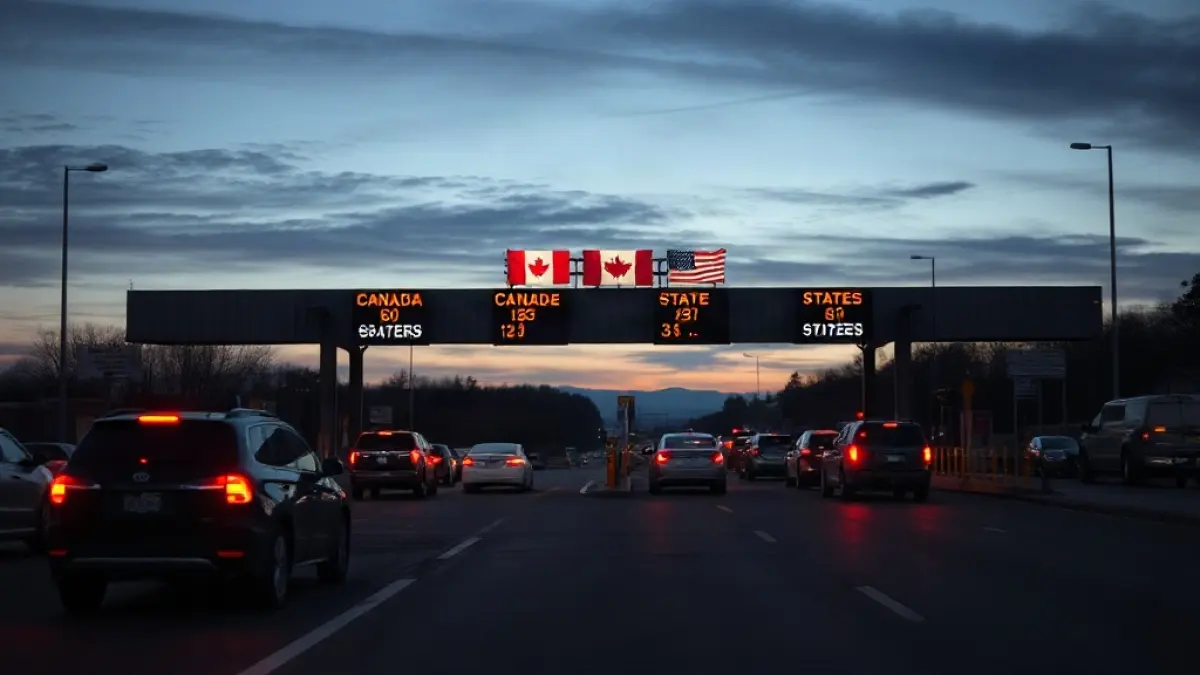
Canadian travellers say they are being questioned about their romantic relationships at the United States border, with some claiming they were refused entry while trying to visit American partners. One woman says officers told her to obtain a fiancé visa and warned she could be barred for five years, even though she is not engaged.
The accounts were posted in an online discussion on 1 November and in other personal reports. They have not been independently verified, and the reasons recorded by American authorities for the reported refusals are unknown.
Key facts
- Canadian citizens generally do not need visas for short visits to the United States, including trips to see romantic partners, according to US State Department guidance.
- A K-1 fiancé visa is meant for foreign nationals planning to marry an American citizen, not for people simply visiting a boyfriend or girlfriend.
- One traveller says she was turned away after three weekend trips this year and warned of a five-year ban.
- Another says she was refused after roughly eight trips over 18 months, with stays of one to three weeks.
- US border officers decide admissibility case by case; no policy change has been announced.
What are travellers reporting?
The woman who started the 1 November discussion said she had made three weekend trips to see her American boyfriend this year and had spent approximately 120 days in the United States. She said she brought documents showing she lived in Canada and had a full-time job, but officers still refused her entry and asked for a return airline ticket even though she was travelling by car.
She said officers warned that trying to enter again without a K-1 visa would result in a five-year bar, despite the couple not being engaged. She added that an earlier crossing in September involved extensive questioning but she was admitted, and that her most recent entry was uneventful.
In the same discussion, a Canadian student said she was refused once after about eight trips over 18 months, and claimed a border agent advised her to describe an American boyfriend as just a friend. In a separate case, another Canadian woman said she was refused after repeatedly spending three months with her American boyfriend and returning to Canada for two or three weeks.
Do Canadians need a visa to visit a partner?
Canadian citizens generally do not need visas for short visits to the United States, including visits to romantic partners, according to US State Department guidance. Section 41.2 of Title 22 of the Code of Federal Regulations states that a visa is not required for Canadian citizens except those seeking admission under certain immigration categories.
The Immigration and Nationality Act defines the K-1 category as applying to someone entering the country solely to conclude a valid marriage with the petitioner within ninety days after admission. There is no general requirement for Canadians to obtain a fiancé visa because they are dating an American, or even because they are engaged, provided they qualify as temporary visitors.
Why might someone be refused entry?
American border officers can refuse admission if they believe a traveller intends to settle in the United States rather than make a temporary visit. Under Section 214(b) of the Immigration and Nationality Act, most foreign visitors are presumed to be intending immigrants until they establish eligibility for temporary admission.
Repeated lengthy stays, limited ties to Canada or signs of plans to settle permanently can therefore prompt extra questioning, even for travellers who have entered without difficulty before. A five-year exclusion can follow certain formal removal orders, but it is not automatic after a refusal or for travelling without a fiancé visa. It is unclear whether the woman who reported the warning received a formal removal order.
Could online comments affect entry?
Separately, a Canadian man from St. John's, Newfoundland, said he was questioned by the Royal Canadian Mounted Police (RCMP) over an alleged Facebook comment about President Donald Trump posted from an account he had deleted about 18 months earlier. He was not arrested or charged, and there is no confirmation that American authorities imposed any travel restrictions on him.
A US Secret Service spokesperson said the agency investigates all threats against its protectees but does not discuss protective intelligence matters. The RCMP said it takes all threats against public officials seriously and would not generally confirm or deny individual investigations. Neither agency confirmed whether information about the man was shared with US immigration authorities.
Experts quoted in the report said American authorities can refuse entry even without a criminal charge, and described growing anxiety among Canadians about crossing the border, including fears that officers could examine phones and find political comments.
What this means for travellers
The reported cases do not amount to a change in the rules: Canadians still generally do not need a visa for short visits, and no new requirement has been announced. What the accounts show is that border officers assess each traveller individually, so Canadians visiting American partners may face questions about the purpose of the trip and their intention to return.
Travellers in this situation can prepare by being ready to explain the purpose and length of the visit and their ties to Canada, and by checking their own circumstances against the temporary-visitor rules before travelling.
US Customs and Border Protection was approached for comment. A spokesperson previously said that "CBP officers make admissibility determinations on a case-by-case basis" using the information available at the time of inspection.
Also about:  Canada