
 UkraineVisas
EU Plan Would Tighten Schengen Visa Checks and Bans for Russian Travellers
A proposed EU sanctions package would require Schengen visa applicants in Russia to submit military documents and impose an EU-wide ban on current and former soldiers who fought in Ukraine. It also proposes adding 82 people and entities to the EU blacklist.
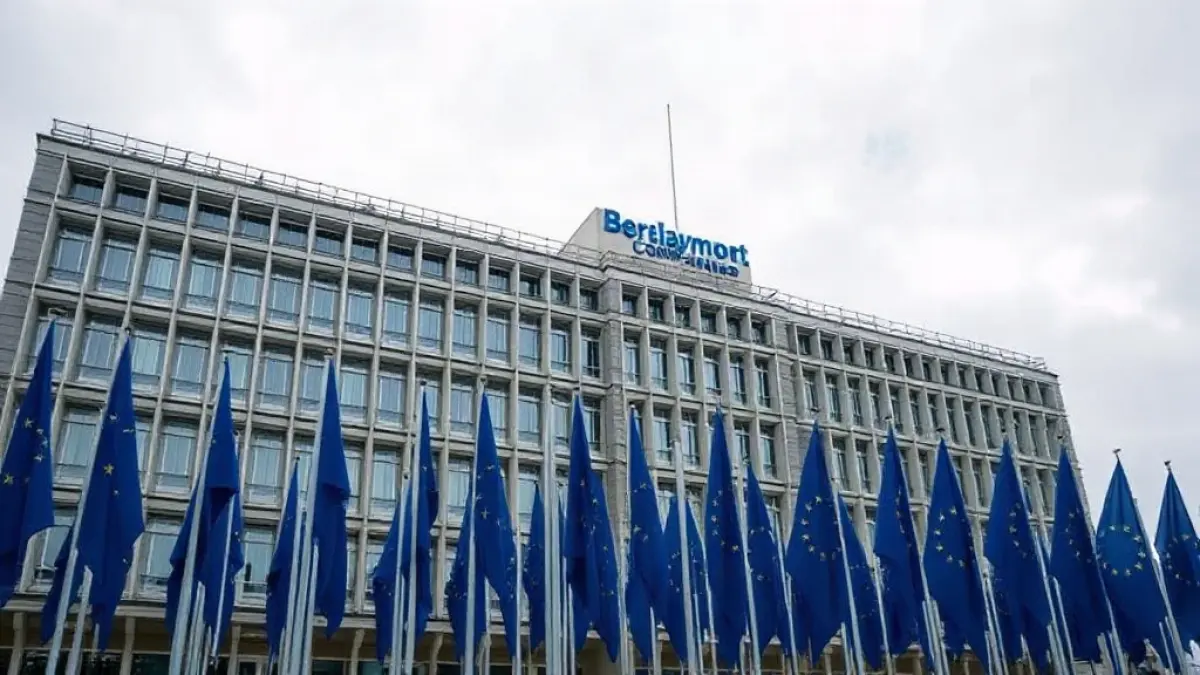
The European Union has drawn up a new sanctions package that would tighten travel and visa rules for Russian citizens, alongside restrictions on Russian sport, energy and cryptocurrency. The proposals, the EU's 22nd package since Moscow launched its full-scale invasion of Ukraine in 2022, are not yet adopted.
Key facts
- 22nd EU sanctions package proposed on 25 November 2026, covering sport, energy, banking and the military-industrial complex.
- Proposed EU-wide ban on current and former soldiers who fought for Russia in Ukraine.
- European consulates in Russia would have to request military handbooks and other documentation from Schengen visa applicants.
- 82 people and entities proposed for the EU sanctions blacklist.
- Another 70 vessels linked to Russia's shadow fleet targeted, taking that list to over 700 ships.
- No adoption date has been announced; negotiations may still change the measures.
What would change for travellers?
Brussels is demanding that European consulates in Russia ask for documentation, including military handbooks, when Russian citizens apply for a Schengen visa. The package also includes an EU-wide ban covering both current and ex-soldiers who have fought for Russia in Ukraine.
The proposal follows complaints from several EU member states during the year that Russian soldiers had been able to travel to the bloc on short-term tourist visas, largely issued by popular Mediterranean holiday destinations such as France, Greece, Italy and Spain.
For diplomats, the package proposes the possibility of mirroring Russia's recent notification procedure for EU and member-state diplomatic, consular, administrative and technical personnel accredited in Russia when crossing Russian air and land borders.
What else is in the package?
The measures would ban the display of official Russian symbols and the presence of Russian government officials at sporting events or competitions in the EU. They would also bar Russian citizens from holding posts on governing bodies of international or national sports federations in the bloc, and prohibit EU sports clubs and cultural associations from receiving money from the Russian state "or its proxies."
On energy, the EU import ban on petroleum products from Russian crude would be extended to fuel oil and vacuum gas oil, and EU companies would be barred from building or operating liquefied natural gas facilities, crude oil refineries or electricity generation facilities in Russia.
Who is proposed for the blacklist?
Umar Kremlev, the Russian businessman and president of the International Boxing Association, would face an EU visa ban and asset freeze. EU documents state that the association is involved with a pro-Kremlin youth sports organization already blacklisted by Brussels, and that Kremlev has received a state honour from Russian President Vladimir Putin. Artyom Gromov, head of the Russian Army's Central Sports Club, is also listed.
Other proposed additions include Sofrino, a manufacturing enterprise controlled by the Moscow Patriarchate of the Russian Orthodox Church, and two Turkish fuel distribution companies, Opet Petrolculuk and Akpet Akaryakit. EU companies would be barred from doing business with several firms in India, Serbia, Thailand, Turkey and the United Arab Emirates.
The package also targets cryptocurrency services benefiting Moscow in Serbia, Turkmenistan and Uzbekistan, and proposes a blanket ban on EU citizens and companies transacting with crypto platforms and services established in Kyrgyzstan.
What this means for travellers
Russian citizens applying for Schengen visas should be prepared for consulates to request additional documentation, including military handbooks, if the package is adopted. Current and former soldiers who fought for Russia in Ukraine face a proposed EU-wide entry ban.
Unanimity among EU members on sporting sanctions has been elusive in the past, and negotiations may lead to some measures being watered down. However, the majority of the proposed measures are expected to be adopted. No adoption date has been announced.
Also about:  Russia
 Türkiye
 India
 Serbia
 Thailand
 United Arab Emirates
 Kyrgyzstan