
 TunisiaTravel
Tunisia Cocaine Seizures Climb as Drugs Arrive via Libya and Europe
Tunisian customs reported more than 101 kg of cocaine seized in the first nine months of 2026, above the 94 kg recorded for all of 2025. Flows reach the country via Libya and European ports.
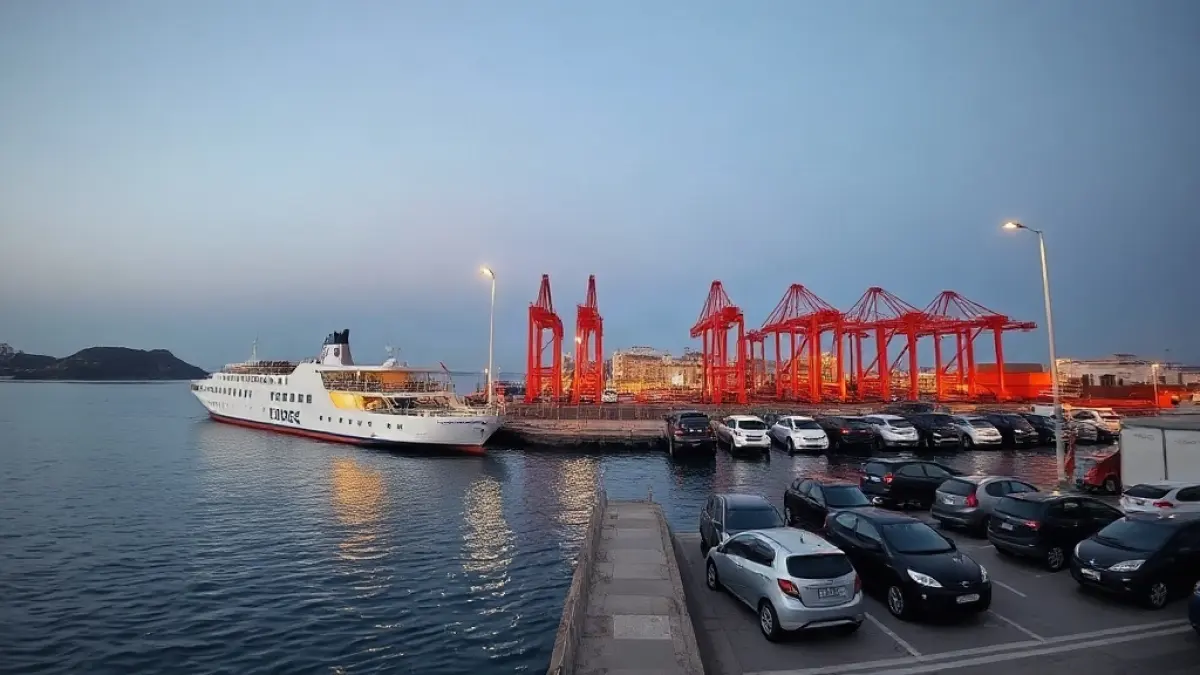
Tunisian customs authorities reported in October 2026 that more than 101 kg of cocaine had been seized during the first nine months of the year. That already exceeds the 94 kg recorded for the whole of 2025 and the 33 kg seized in 2024, confirming a sustained rise in drug interceptions in the country.
Key facts
- 101 kg of cocaine seized in the first nine months of 2026, versus 94 kg in 2025 and 33 kg in 2024
- Seizures rose from about 150 grammes in 2013 to more than 140 kg in 2023, according to the Interior Ministry
- Nearly 30 kg were seized at the Ras Jedir border crossing with Libya in February 2026
- One kilogramme of cocaine is valued at 300,000 dinars in Tunisia, according to police
- Drugs enter through land routes from Libya and through ports including La Goulette and Radès
What is driving the increase?
Mohamed Ali Chaïbi, who leads the narcotics control unit at the El Gorjani Judicial Police Directorate within the Interior Ministry, said quantities seized increased nearly a thousandfold over a decade, climbing from around 150 grammes in 2013 to more than 140 kg in 2023.
A United Nations Office on Drugs and Crime (UNODC) report published in January 2026 describes Libya as a "less costly and easier alternative" for moving, storing and distributing drugs across North Africa, and as an emerging centre for cocaine trafficking towards Europe and the Middle East. The report, titled Drug Trafficking Dynamics in Libya and Across North Africa: Trends and Implications, is the first international document devoted to Libya's role in drug trafficking.
The 2026 World Drug Report from the UNODC also recorded cocaine production in South America at more than 4,000 tonnes in 2024, an unprecedented level, and noted that cocaine has penetrated retail markets in North Africa.
How does cocaine reach Tunisia?
Chaïbi attributed part of the rise to trafficking across Tunisia's roughly 460 km border with Libya, which he said carries large quantities of drugs including cocaine. Tunisian security and customs officials regularly report foiled attempts at the Ras Jedir crossing; in February 2026, nearly 30 kg of cocaine were found there in a foreign-registered vehicle arriving from Libya, among the largest seizures recorded in the country.
United Nations findings also point to a reverse flow from European ports such as Marseille and Genoa into the Tunisian ports of La Goulette and Radès, with drugs hidden in private cars or commercial trucks carried on passenger and vehicle ferries. The report links this to weaknesses in border controls at European ports handling shipments bound for the southern Mediterranean. Part of this cocaine is intended for the Tunisian market, while the rest is redistributed to neighbouring countries.
Which wider routes are involved?
By sea, large direct shipments from Ecuador, Colombia and Brazil reach Libyan ports aboard commercial vessels with drugs concealed in shipping containers; some vessels call at Malta and other Mediterranean ports, where the cargo is transferred to smaller boats bound for Libya.
By land, cocaine moves from West Africa across the Sahel Desert, particularly through Mali, Burkina Faso and Niger, towards Libya's southern borders. Armed groups in the Sahel, described by the United Nations as a global hotbed of terrorism, provide protection for four-wheel-drive vehicles and trucks in exchange for fees or a share of the drugs. European reports indicate organised crime networks have shifted towards West and North African routes following tighter controls at major European ports, particularly Antwerp in Belgium and Rotterdam in the Netherlands.
Why is Tunisia attractive to traffickers?
Chaïbi said one kilogramme of cocaine reaches 300,000 dinars in Tunisia, compared with between 25,000 euros (about 84,000 dinars) and 43,000 euros (about 144,000 dinars) in Europe, citing the 2026 European Drug Report from the European Union Drugs Agency (EUDA). That price gap, alongside abundant supply in Europe, is said to make the country appealing to criminal networks.
What this means for travellers
The material reviewed announces no changes to entry rules, visas or travel documents. It describes enforcement activity focused on the Ras Jedir land crossing with Libya and on the ports of La Goulette and Radès, which handle passenger and vehicle ferries.
Chaïbi stressed the importance of international cooperation with neighbouring countries, including joint investigations and the exchange of information on international trafficking networks, within bilateral and international agreements. No specific new measures or dates have been announced.
Also about:  Libya
 Malta
 Ecuador
 Colombia
 Brazil
 Mali
 Burkina Faso