
 TongaTravel
Visitors to Tonga urged to save water as drought hits Tongatapu, ʻEua, Haʻapai
Tonga's Lands Minister has urged water conservation as Super El Niño drought deepens. Drought is declared on Tongatapu, ʻEua and Haʻapai, with a drought warning for the Niuas.
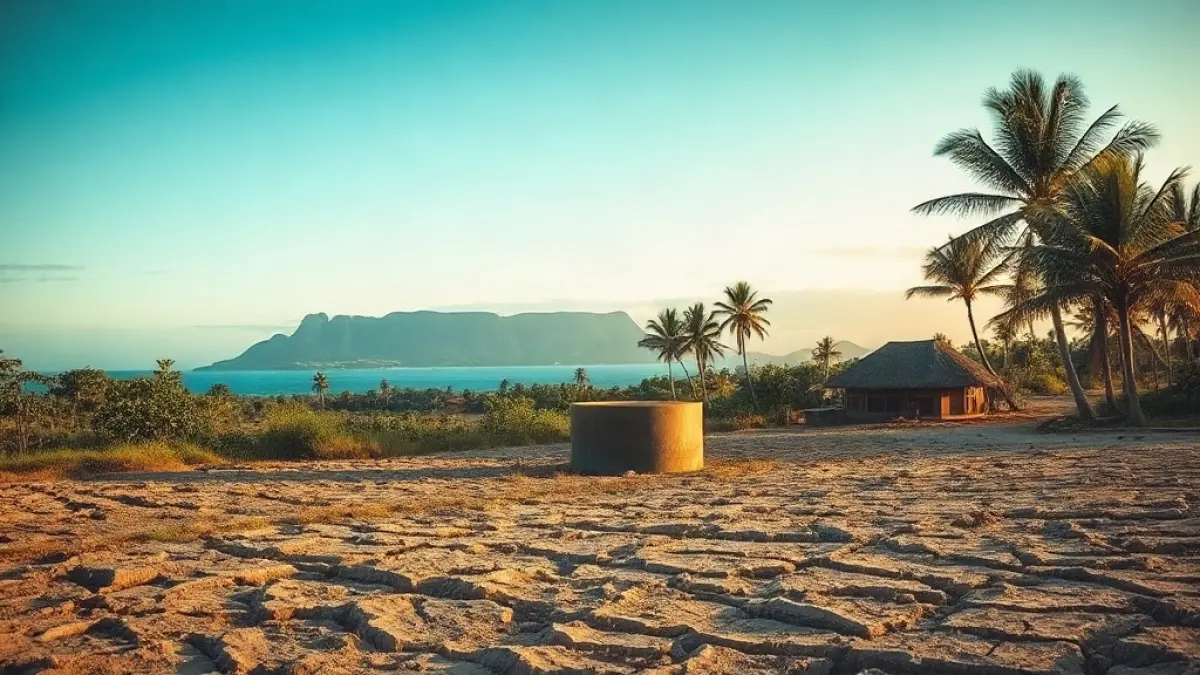
Tonga's Minister of Lands and Natural Resources, Dr Taniela Fusimalohi, has issued an urgent call for people to save water as Super El Niño conditions and a prolonged drought tighten their grip on the kingdom. The notice, released through the Minister's Facebook account, flags concerns about water sources and the amount of drinking water held in storage tanks.
It follows photographs circulating on Facebook showing withered crops and plants in Tonga, illustrating the damage already done to plantations.
Key facts
- Drought conditions declared on Tongatapu, ʻEua and Haʻapai
- Niuas under a drought warning, per the Australian Government's Smartraveller advisory
- El Niño event could peak in December 2026, the World Meteorological Organisation says
- Effects could last well into 2027
- The Ministry's Natural Resources Division was set to issue a notice on water sources and storage tank levels
What is the problem?
The Ministry of Lands, acting through its Natural Resources Division, was preparing a notice covering the current water situation, available water sources and the need to use water wisely. The Minister said in Tongan that the notice would also address "the levels of drinking water available in water storage tanks".
El Niño is a natural climate phenomenon caused by unusually warm ocean temperatures in the central and eastern tropical Pacific, which disrupts weather patterns worldwide. It can bring prolonged drought, extreme heat and water shortages to parts of the Pacific, including Tonga, while raising the risk of heavy rainfall and flooding elsewhere.
Which areas are affected?
According to the Australian Government's Smartraveller advisory, drought conditions have been declared in Tongatapu, ʻEua and Haʻapai, while the Niuas are under a drought warning. The advisory also cautions that dry conditions could spread to other island groups.
How long will it last?
The World Meteorological Organisation (WMO) warns the current El Niño could become one of the strongest on record, potentially peaking in December 2026. The United States National Oceanic and Atmospheric Administration (NOAA) reported in its October assessment a high probability of strong to very strong El Niño conditions continuing into early 2027.
Impacts could threaten agriculture, food security and public health well into 2027. El Niño can also influence cyclone activity and tracks across the South Pacific, meaning communities may face drought and severe storms in the same season.
What this means for travellers
Visitors to Tonga should expect dry conditions and potential water shortages, particularly on Tongatapu, ʻEua and Haʻapai, and plan to use water carefully. Drought has already affected plantations in the country, and dry conditions could extend to other island groups.
What happens next
The Natural Resources Division's notice on water sources and storage tank levels was expected to be released. Elsewhere in the Pacific, Samoa has warned about declining rainfall and possible effects on agriculture, the Solomon Islands has issued meteorological drought warnings, and Palau has activated the first stage of its national drought response plan.
Also about:  Samoa
 Solomon Islands
 Palau
 Australia