
 ThailandTravel
Thailand rushes clean water to north after arsenic found in tap supplies
Tap water to 14 villages in Chiang Rai's Mae Sai district has been suspended after arsenic was found at 30 times the safe limit, with contamination linked to mining in Myanmar. More than 20,000 households are affected.
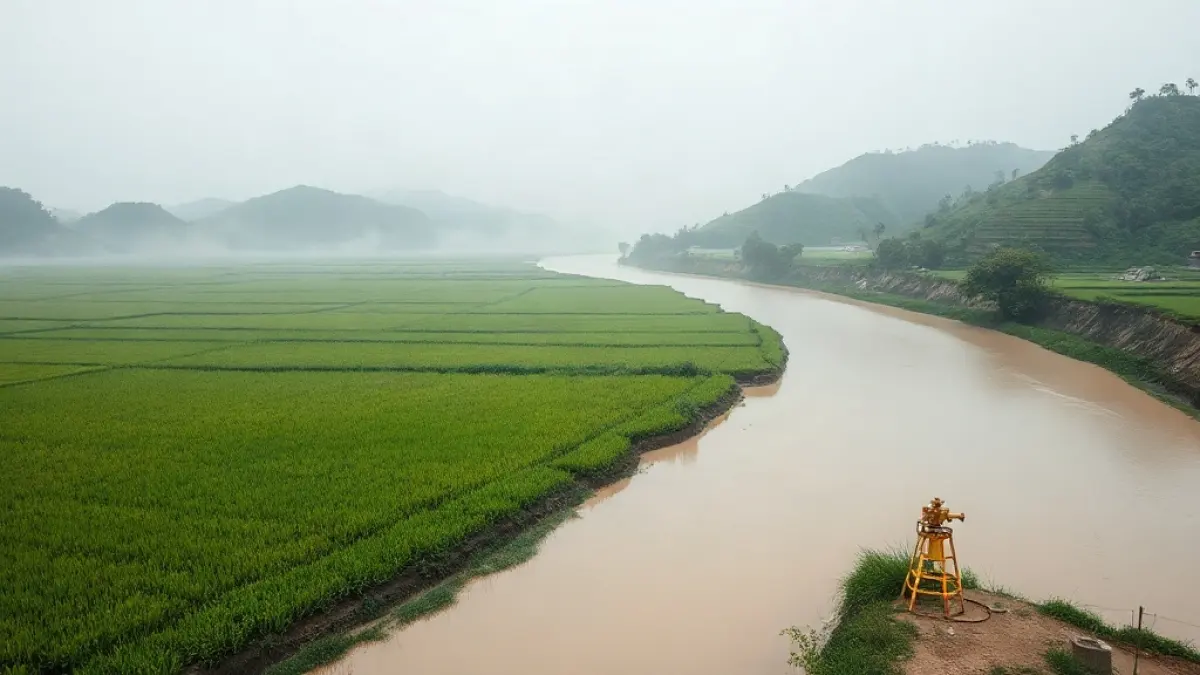
Thai authorities are supplying clean water to more than 20,000 households in northern Thailand after arsenic at unsafe levels — linked to mining operations in Myanmar — was detected in the water supply. Prime Minister Anutin Charnvirakul late on Tuesday ordered government agencies to find alternative water sources and closely monitor tap water quality in Chiang Rai province, according to deputy government spokeswoman Lalida Persvivatana.
Key facts
- Tap water supplies to thousands of homes in 14 villages in Mae Sai district, near the Myanmar border, were suspended this month.
- Arsenic in the local waterworks was measured at 30 times the safe limit.
- Untreated water from the Sai River, a tributary of the Mekong, showed arsenic at 25 times the drinking water limit.
- Two trucks have been deployed to deliver clean drinking water to residents.
- In October, arsenic was found in the urine of 17 of 177 people tested in Nong Khai province, on the border with Laos.
What has been found?
Officials detected arsenic levels 30 times over the safe limit at the Mae Sai district waterworks and suspended tap water to thousands of homes in 14 villages this month. Contamination was also recorded in untreated water from the Sai River at 25 times the limit for drinking water.
Researchers at Naresuan University said last week that chemical analysis and satellite modelling traced much of the arsenic-laden sediment in the Sai River to gold mining operations across the border in Myanmar. A surge in rare earth mining in rebel-held parts of Myanmar, supplying Chinese processing plants, is being blamed for toxic levels of heavy metals in Thai waterways, including the Mekong River. Myanmar's long-running civil war enables unregulated exploitation of natural resources, including rare earth elements used in smartphones, wind turbines and electric vehicles.
What is the government doing?
Beyond the prime minister's order on water sourcing and tap water monitoring, two trucks have been sent to supply residents with clean drinking water, and the government is considering alternative river water sources.
Foreign Minister Sihasak Phuangketkeow raised what he called a "dramatic" increase in pollution in the Sai River during a visit to Myanmar last week to meet government officials. He blamed wastewater from mining, calling it an "urgent matter that needs urgent attention". The Thai government says it has also discussed the issue with Beijing, with researchers saying many of the mining operations in Myanmar are Chinese-run.
What this means for travellers
Tap water supplies in parts of Mae Sai district near the Myanmar border are suspended, with clean drinking water being distributed by truck. Officials found arsenic above safe limits in local waterworks and in untreated Sai River water, and the issue has also been raised over the Mekong River, which supports millions of people across several countries. Travellers in Chiang Rai province can note that authorities are monitoring tap water quality there and that arsenic was detected in tested residents in Nong Khai province.
There are fears the pollution is being washed far down the Mekong River. No timeline has been given for restoring tap water in Mae Sai or for the alternative water sources being considered.
 Myanmar
 Laos
 China