
 TanzaniaTravel
Tourists in Tanzania: Exchange Locally or Pay by Card Under New Shilling Rule
Tanzania's foreign currency regulations, effective 28 March 2025, require goods and services to be priced and paid in Tanzanian shillings. Tourists must exchange money locally or pay by bank card, with limited exemptions.
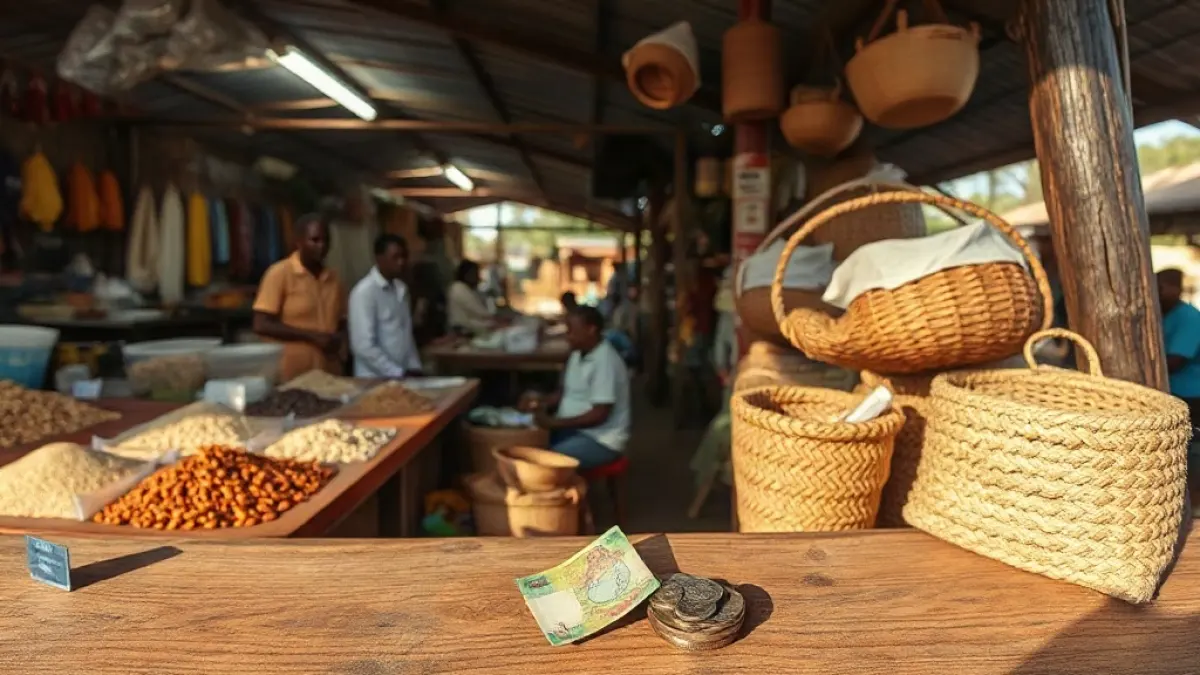
Visitors arriving in Tanzania with US dollars for a safari will find that everyday spending must be done in Tanzanian shillings. Under regulations issued by the country's Minister of Finance, goods and services sold inside Tanzania have to be priced and paid for in the local currency, and a business that quotes dollars, demands dollars or turns away shillings is breaking the law.
Key facts
- 28 March 2025: the foreign currency regulations, GN 198 of 2025, took effect
- Prices for goods and services must be displayed and paid in Tanzanian shillings
- Tourists are covered and are expected to exchange money at commercial banks or exchange bureaus in Tanzania
- Bank cards and other digital payment methods remain available, although one operator reports a 3.5% bank fee on card payments
- Foreign currency contracts in existence had to be amended within 12 months
What do the rules say?
The legal basis is GN 198 of 2025, the regulations on the use of foreign currency issued by the Minister of Finance and effective 28 March 2025. They follow amendments to the Bank of Tanzania Act brought in by the Finance Act of 2024 and were made under Section 26 of the Bank of Tanzania Act of 2006.
The regulations require all goods and services to be priced and transacted in shillings. Quoting, advertising, specifying or publishing prices in a foreign currency is prohibited, as is invoicing or demanding payment in foreign currency and refusing payment in shillings. The Bank of Tanzania's public notice on the rules was signed by Governor Emmanuel Tutuba and also prohibits entering into or renewing agreements that require payment in foreign currency.
A short list of transactions, including some payments by the government to regional organisations, may still be made in foreign currency. Existing contracts in foreign currency had to be amended within 12 months, a deadline reported in January 2026.
What does this mean at the shop counter?
The central bank has said that foreigners, including tourists, are covered by the rules. Visitors are expected to exchange foreign currency at commercial banks or exchange bureaus in Tanzania, and can still pay with bank cards or other digital methods.
Domestic purchases such as restaurants, shops and taxis must be paid for in shillings. Duty free shops may still take foreign currency. Displayed prices should be in shillings as well: a menu or curio shop showing only dollar prices is not following the regulations, and the central bank has urged the public to report violations.
Is there an exemption for safaris?
Yes, in part. After lobbying by the Tanzania Association of Tour Operators, the Bank of Tanzania confirmed that resident tour operators may use US dollars in some transactions for visitors. Early press reports had disagreed on whether tourists were covered at all, and the tour operator exemption settled the question.
Why is Tanzania doing this?
The stated aim is a stronger shilling. The shilling has stabilised against the dollar after a volatile period earlier in 2025, supported by monetary policy, easing global pressures and the regulations reinforcing use of the local currency. The central bank issued guidance on the rules to create a more business friendly environment, particularly in tourism.
What this means for travellers
Plan to carry or obtain Tanzanian shillings for restaurants, shops, taxis and other domestic purchases, and expect to change dollars at a commercial bank or exchange bureau in Tanzania. Bank cards and digital payments remain an option, though one operator reports a 3.5% bank fee on card payments. Where a safari is booked through a resident tour operator, US dollars may still be used in some transactions.
Separately, the source notes that a visa is easiest to arrange online, but gives no further detail on the process.