
 South SudanTravel
Uganda restricts travel from DR Congo; South Sudan steps up Ebola readiness
As Ebola cases grow in the Democratic Republic of Congo, Uganda has limited cross-border travel and public gatherings in 34 border districts and requires returning travellers to quarantine for 21 days. South Sudan has raised its readiness score but reports no cases.
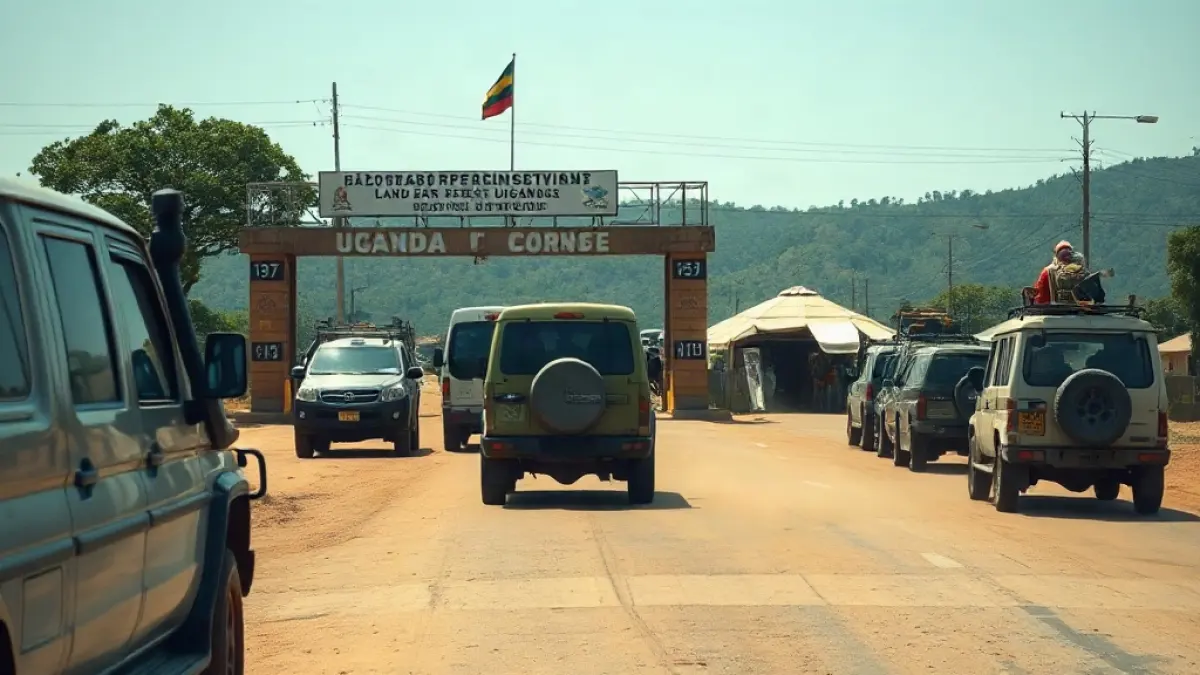
Uganda has restricted cross-border travel and public gatherings in 34 high-risk districts along the border with the Democratic Republic of Congo (DRC) as an Ebola outbreak there continues to expand. South Sudan, which has reported no Ebola infections, has also stepped up its preparedness, according to the World Health Organization (WHO).
Key facts
- The DRC outbreak has reached 11,645 infections and 5,683 deaths, according to the US Centers for Disease Control and Prevention (CDC).
- Uganda has restricted travel and gatherings in 34 high-risk districts bordering the DRC.
- Ugandan travellers returning from the DRC face a 21-day quarantine or monitored self-isolation.
- South Sudan has reported no Ebola infections; its readiness score rose from 29% in May to 73% in October.
- Clinical trials of three Bundibugyo Ebola vaccines are under way in the DRC.
What rules has Uganda introduced?
Uganda has forbidden concerts, festivals and political rallies that have not been cleared by the Ministry of Health in the affected districts. Ugandan travellers returning from the DRC must complete a 21-day quarantine or monitored self-isolation.
Passenger screening at airports has been intensified, and monitoring has been strengthened at hotels and schools. Uganda has also restricted the movement of humanitarian workers and limited the cross-border transport of bodies.
What else must public places do?
Schools, hospitals, transportation terminals, churches and other public facilities must provide handwashing stations and follow infection prevention and control mandates. Radio stations operating in the affected districts must also broadcast Ebola-prevention programming for at least two hours each month.
What is South Sudan doing?
South Sudan has reported no Ebola infections but has increased its preparedness efforts. Four national self-assessments carried out with a WHO tool that reviews the quality of emergency readiness showed its score climbing from 29% in May to 73% in October.
Why are these measures being taken now?
This is the 17th Ebola outbreak in the DRC and its largest and fastest-growing, according to the CDC. It took only 40 days after the crisis was declared in mid-May to surpass 1,000 confirmed cases, compared with 235 days for the country's 2018 outbreak. Concerns have also been raised about entry through unofficial border-crossing points.
Are vaccines available?
There are currently no available vaccines or treatments for Bundibugyo, the virus behind the outbreak. Clinical trials of three vaccines targeting the virus in the DRC could produce a breakthrough in the coming months if security problems are overcome, said Emanuele Capobianco, MD, MPH, Gavi director of global health security.
What this means for travellers
Travellers crossing between Uganda and the DRC or passing through Uganda's 34 high-risk border districts should expect restricted movement, limits on public gatherings and intensified screening at airports. Ugandan travellers returning from the DRC need to plan for a 21-day quarantine or monitored self-isolation.
No date has been announced for when the restrictions in Uganda's border districts might be lifted. Uganda declared its own Ebola outbreak over in late August.
Also about:  Uganda