
 South KoreaEntry rules
Travellers detained in South Korea may get video calls to dying relatives
South Korea's National Human Rights Commission recommended that an immigration detention centre let detainees use personal mobile phones for urgent video calls with critically ill or dying relatives, after a detainee was denied a final call.
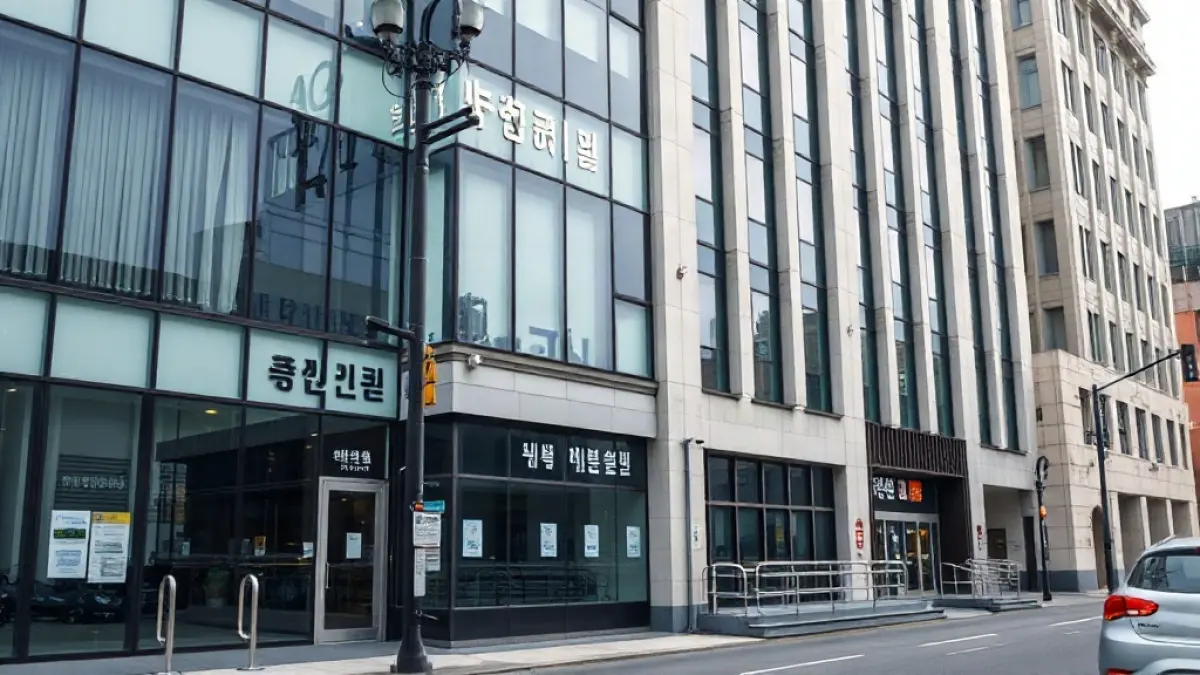
South Korea's National Human Rights Commission of Korea recommended last week that an immigration detention centre relax its limits on detainees' communication, after finding that the facility violated a detainee's right to pursue happiness by refusing a video call with a dying father. The rights watchdog made the finding public on Monday.
Key facts
- Who decided: the National Human Rights Commission of Korea
- When: the recommendation was issued last week and announced on Monday
- What is being asked: detainees should be able to use personal mobile phones in urgent and serious humanitarian cases
- Who is affected: people held in immigration detention in South Korea
- Case background: the complaint was filed in November last year by a foreign national held at the centre
What happened?
The complainant, a foreign national held at the centre, brought the case to the commission in November last year. The detainee said staff refused a request to use a personal mobile phone for a video call so that they could see their critically ill father one last time.
According to the complaint, the father died that day. The detainee argued that the refusal stripped them of the most basic human right, the right to pursue happiness. The commission agreed that the facility had violated that right.
What is the commission asking for?
The commission called on the centre to minimise restrictions on detainees' freedom of communication. Specifically, it asked the facility to guarantee that detainees can use their personal mobile phones to the extent necessary in urgent and serious humanitarian cases, such as when a family member is critically ill or dying.
The commission said the chance to speak with a dying family member one final time is an opportunity that cannot be regained once it is missed.
Who is affected?
The recommendation is directed at one immigration detention centre and concerns people held in immigration detention in South Korea. The source does not name the facility or the detainee, and does not identify the detainee's nationality.
What is still unclear?
The source does not say whether the centre has responded to the recommendation or changed its practices, and it does not state whether such recommendations are binding. It also gives no figures on how many detainees are held at the facility.
For now, the commission's call applies to phone and video access for people in immigration detention. The source describes no change to visa or entry procedures for travellers arriving in South Korea, and no next step or deadline has been announced.