
 SloveniaTravel
Filipino Nurses, Auto Workers Gain New Slovenian Job Route as Deal Expands
Slovenia wants to recruit more skilled Filipino workers, especially in automotive and health care, and is working with the Philippines to upgrade a bilateral labour agreement. No timeline, quotas or recruitment procedure have been announced.
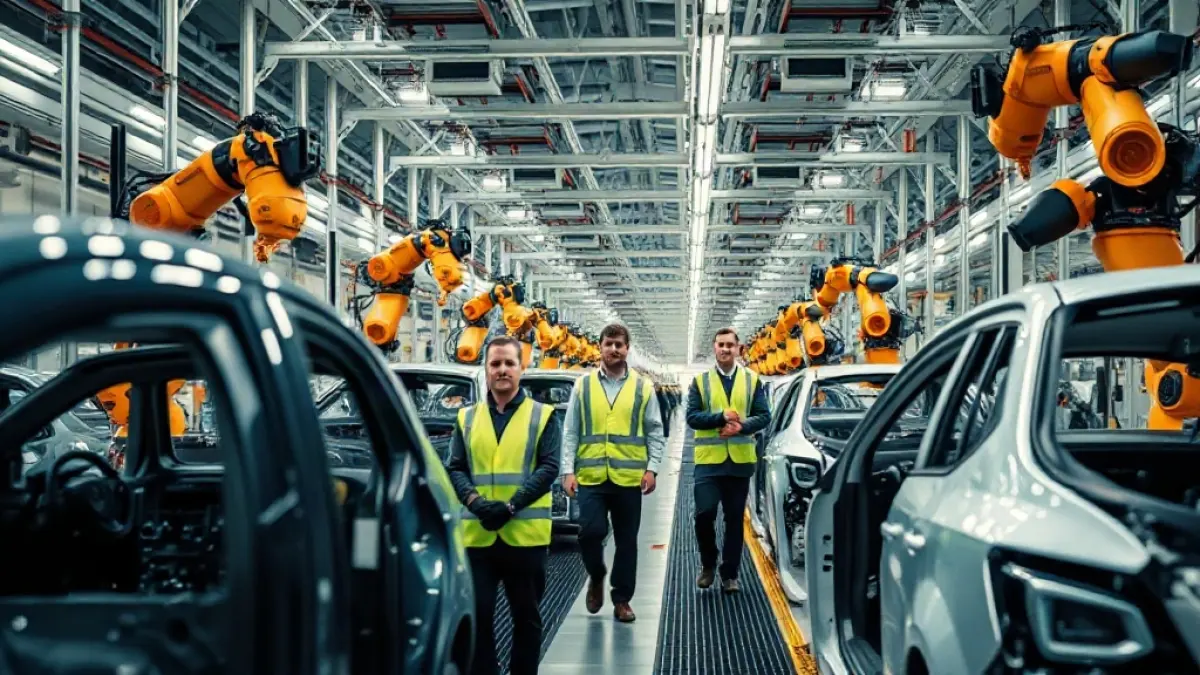
Slovenia wants to bring in more skilled Filipino workers, particularly for its automotive and health-care sectors, and is working with the Philippines to upgrade the two countries' existing labour agreement, Slovenian Foreign Minister Tone Kajzer said on 14 November 2026.
Speaking to the Philippine News Agency in Makati City, Kajzer said the current deal needs to be upgraded and made more "specifically defined".
Key facts
- Slovenia is targeting skilled Filipino workers for its automotive and health-care sectors.
- The existing labour agreement between the two countries is to be upgraded and made more specific.
- Local reports citing Slovenian official data estimate around 2,500 Filipinos currently live in Slovenia.
- Recruitment would be accompanied by basic training before workers travel, including local language learning.
- No timeline, quotas, fees or application procedure have been announced.
What is changing?
Kajzer said an agreement already exists between Slovenia and the Philippines but is currently broad, and that the two sides want a more operational arrangement covering specific skills and the health sector. A few thousand Filipino workers are already in Slovenia, he said.
Which jobs are in demand?
The Slovenian minister pointed to the automotive industry, where he said a recent investment by French car manufacturer Renault means more skilled workers are needed. He said quite a few hundred Filipino workers are already employed at that factory, which he described as highly technologically advanced.
Local reports citing official data in Slovenia estimate that around 2,500 Filipinos are in the country, mostly working in the automotive sector, tourism and social care. Health care is also a focus of the talks on a revised agreement.
What must workers do before travelling?
Kajzer said recruitment in the sector should come with basic training before workers leave the Philippines, including learning the local language. He added that he believes this applies to other countries as well.
The minister also spoke positively about Filipino workers, saying he hears only good things about them and that in their case the concern that foreign workers take local jobs is "the opposite".
What else is on the table?
Beyond labour, Kajzer said Slovenia is open to discussing cooperation in technology, water purification, defence and cybersecurity. He said Slovenian companies are exploring opportunities in the Philippines and that a business delegation visited last year, with follow-up discussions now under way.
What this means for travellers
For Filipinos considering work in Slovenia, the recruitment drive and the revised agreement are still at the discussion stage. The source gives no recruitment route, work permit or visa procedure, no quotas and no deadline, so there is nothing for applicants to act on yet.
Talks on an agreement covering specific skills and the health sector are continuing, with no dates announced for the next steps.
Also about:  Philippines