
 PalestineEntry rules
Foreign visitors risk detention, deportation for filming West Bank olive harvest
A Portuguese journalist says he and a fellow Portuguese national were held for more than two days in the West Bank and deported to Portugal after documenting the olive harvest near Rantis on 8 October. He says dozens of foreign volunteers and journalists have been detained and deported in the past three years.
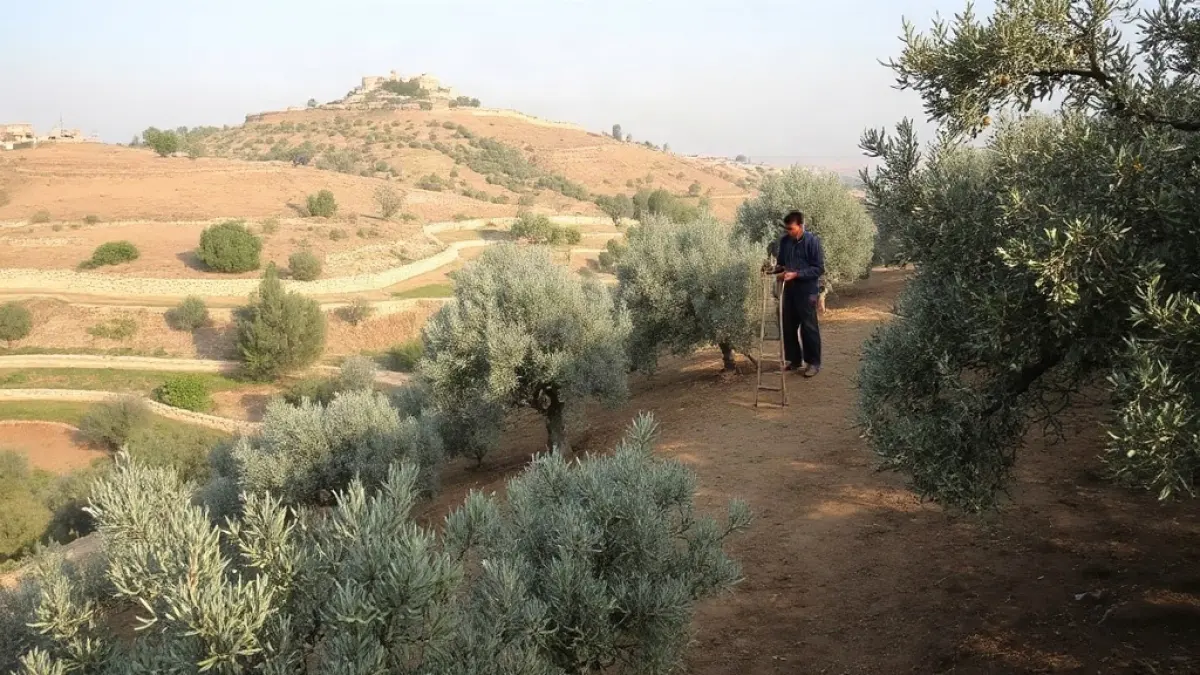
A Portuguese journalist says he and another Portuguese national were detained for more than two days in the West Bank and deported to Portugal after documenting the olive harvest near the village of Rantis on 8 October. Ricardo Esteves Ribeiro, who says he has reported from Palestine for almost 10 years, described the case as part of a wider pattern affecting international visitors to the territory.
Key facts
- Two Portuguese nationals were detained on 8 October in an olive grove near Rantis, in the West Bank.
- They were held for more than two days, moving between a military base, a police station and a prison used to hold immigrants.
- Both were deported to Portugal on Saturday.
- The author says dozens upon dozens of foreign volunteers and journalists have been detained and deported over the past three years.
What happened on 8 October?
Ribeiro says he left Ramallah at 6:00 a.m. with four other Portuguese companions, heading for Rantis and trying to avoid checkpoints set up to close roads across the West Bank. The roughly 25-mile (40-kilometre) journey took almost two hours and included two military checkpoints.
They joined a group of 23 people, mostly Palestinians along with some anti-Zionist Israelis, in an olive grove of around 700 trees. The family had been unable to harvest there since 2023, the author says, because soldiers or settlers attacked them whenever they tried.
Harvesting continued without incident for more than four hours. At 12:35 p.m., he wrote that a drone was hovering overhead; an army vehicle arrived about half an hour later, and three soldiers with covered faces told the group they could not be there. The Palestinian grove owner refused to leave. At 2:03 p.m. another army vehicle arrived, and six armed soldiers with covered faces forced everyone to leave.
Why were they detained?
As the group walked about a mile and a quarter along a dirt road, escorted by military vehicles, soldiers singled out one of the Portuguese companions, Fred, who had been filming on his phone, and detained him without a formal explanation. Asked for a reason, a soldier identified as Dana eventually said, "This is a military area," and produced no documentation, according to the author.
Ribeiro says he showed his press credentials and explained he was working, but was handcuffed and detained as well. During several hours of interrogation, an investigator accused him of "support for and promotion of support for terrorist organizations" and showed him a dossier dated late 2025 containing screenshots collected since October 2023, including quotes from his articles, interviews and posts from his Instagram account.
Who else has been affected?
The author says that over the past three years, dozens upon dozens of volunteers and journalists from other countries have been detained by the military and deported. He also cites United Nations figures for 1 October to 10 November last year: more than 160 settler attacks across almost 100 towns and villages, with more than 150 Palestinians injured.
What this means for travellers
The account points to two practical realities for anyone travelling in the West Bank: road closures and checkpoints can turn short journeys into long ones, and international visitors who document events on the ground have been detained and deported. Travellers should allow for long delays on West Bank roads and be aware that the author says foreign volunteers and journalists have faced detention in recent years.
Ribeiro argues the detentions are meant to stop international observers from reporting on what he describes as an ethnic cleansing project in the West Bank. He says the olive harvest campaign has only just begun, and calls for more people to travel to the territory.
 Israel
 Portugal