
 OmanTravel
Oman Travel Alert: Dive Sites at Risk, UAE Beach Closures Shift After Hormuz Strikes
Oil from tankers attacked in the Strait of Hormuz is washing onto UAE beaches and threatening dive sites on Oman's Musandam peninsula. Beach closures in the northern emirates are changing with each new strike, so travellers should check local notices.
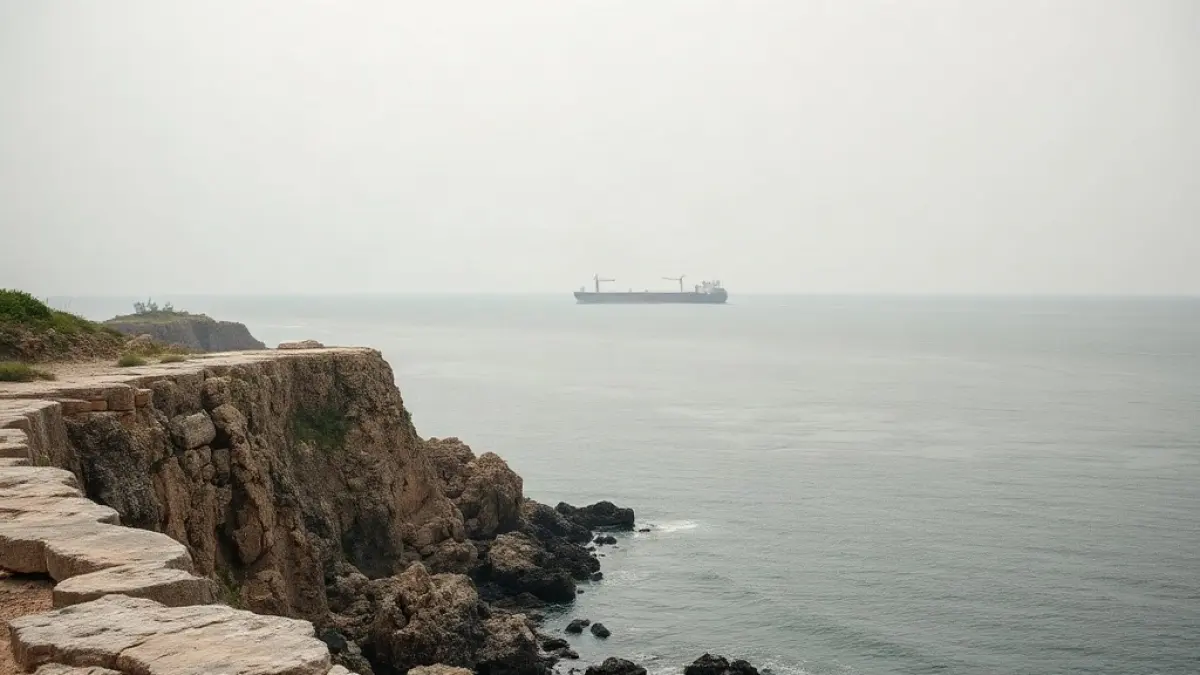
Oil from tankers attacked in the Strait of Hormuz is washing onto beaches in the United Arab Emirates and threatening dive sites along Oman's Musandam peninsula, adding an environmental problem to a Gulf tourism downturn now in its ninth month. Beach access in the UAE's northern emirates has become unpredictable, with closures and reopenings changing after each strike.
Key facts
- More than 600 oil spills have been identified in and around the Gulf since the U.S.-Iran war began on 28 February.
- Environmental group Greenpeace and maritime tracking firm Kpler released the data, which is current to 19 November.
- Greenpeace counts more than 160 attacks on oil tankers in that period, some of which resulted in spills.
- All public beaches in Ras Al Khaimah, Umm Al Quwain and on Sharjah's Gulf coast closed on 23 October; seven Ras Al Khaimah public and resort beaches reopened on 11 November.
- No spills have been reported on Dubai or Abu Dhabi beaches.
Where are the oil slicks?
An interactive map of the Greenpeace and Kpler data shows slicks along much of the UAE's Gulf coast, through the Strait of Hormuz and down Oman's coast, as far as Muscat. The spill data covers the period since the war began on 28 February and runs to 19 November.
Which beaches are affected?
Beach closures have been rolling and emirate by emirate rather than applied across the country. All public beaches in Ras Al Khaimah, Umm Al Quwain and on Sharjah's Gulf coast were shut on 23 October, and seven public and resort beaches in Ras Al Khaimah reopened on 11 November.
No spills have been reported on Dubai or Abu Dhabi beaches. Beach access on the UAE's east coast and in the northern emirates depends on local notices that can change with each tanker strike, while Dubai and Abu Dhabi do not carry that risk yet.
What is happening in Oman?
Dive sites along Oman's Musandam peninsula are described as threatened by the spills. The mapped slicks extend down Oman's coast as far as Muscat. The source does not give details of any beach or dive site closures in Oman.
How is tourism being affected?
The spills are layering an environmental crisis onto a Gulf tourism downturn now in its ninth month. Dubai hotel occupancy fell to 68.4% in October, down 16.5 points from 84.9% a year earlier, according to CoStar's STR. Ras Al Khaimah occupancy dropped to 71.5% from 87.9%, and Ras Al Khaimah International Airport expects full-year passenger traffic to be up to 28% below 2025 levels.
What this means for travellers
Travellers heading to the UAE's northern emirates or the east coast should check local beach notices before going, as closures and reopenings are being decided locally and can change with each new tanker strike. No spills have been reported on Dubai or Abu Dhabi beaches so far.
The Greenpeace and Kpler data is current to 19 November, and the mapped slicks extend as far as Muscat. No further dates or reopening schedule have been announced.
Also about:  United Arab Emirates