
 NorwayTravel
Norway-Russia Arctic border: fines, GPS jamming and rules for visitors
Travellers near Norway's Arctic border with Russia face heavy fines for straying across the line and unreliable GPS, as crossings into Russia have stopped since February 2022. Russian visitor numbers to Norway have fallen sharply.
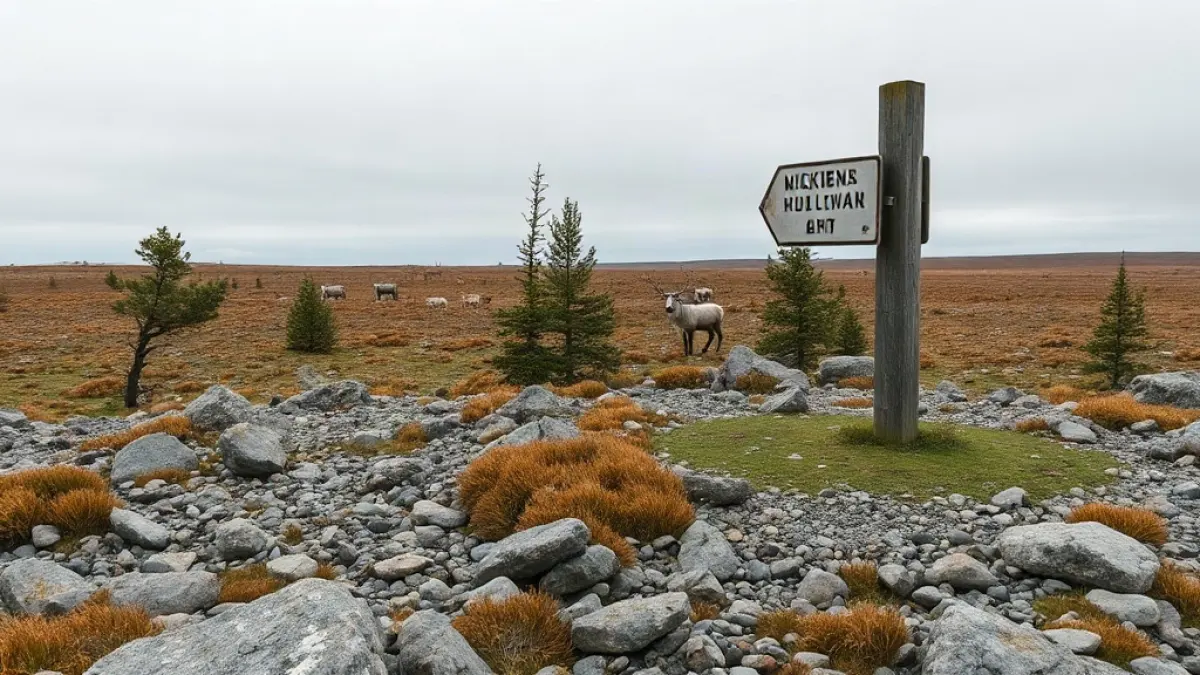
The Norway-Russia border in the Arctic county of Finnmark is marked only by posts and forest clearings, and visitors who wander over it risk fines. At the same time, GPS jamming and spoofing now disrupt hikers and even aircraft around the town of Kirkenes, while crossings into Russia have largely ended since February 2022.
Key facts
- A Norwegian-Russian agreement allows visa-free travel for people living within 30km (18.5 miles) of the border.
- In June 2026, three Swedish tourists were each fined 8,000 Norwegian kroner ($830) for throwing stones across the border.
- Russian tourist numbers in Norway dropped from 250,000 in 2019 to 52,000 last year.
- GPS jamming and spoofing near the border has affected aircraft landing at Kirkenes.
- The European Union awarded Norway 16.4 million euros ($18.5m) to strengthen border surveillance.
What are the rules at the border?
The frontier is easy to miss: it is indicated by marker posts and cleared strips of forest, and distracted hikers can cross it by mistake. Local tour guide Henrik Hoffmann, who co-founded the company Kirkenes Tours and leads walks along the border, says he checks his maps carefully to stay on the Norwegian side.
Touching a Russian border marker carries heavy fines. In June 2026, three Swedish tourists were reportedly each fined 8,000 Norwegian kroner ($830) for throwing stones across the border. The area is well surveilled, with watchtowers, security cameras and increasing numbers of Norwegian military patrols.
Why is GPS unreliable near the border?
The border region is frequently affected by GPS jamming and spoofing, which can block navigation signals or supply false location data. Aircraft landing at Kirkenes have been affected, and the interference has recently been reported at lower altitudes, putting hikers and reindeer herders in the surrounding hills at greater risk.
Hoffmann says his own device has placed him in Tromsø, a city about 800km (500 miles) away. He now hikes with a satellite phone, and many local reindeer herders have stopped using GPS trackers, switching to GSM trackers that rely on the phone network.
Can travellers still cross into Russia?
A Norwegian-Russian agreement allows visa-free travel for residents living within 30km (18.5 miles) of the border. However, local crossings stopped after Russia's full-scale invasion of Ukraine in February 2022, both as a show of solidarity with Ukraine and because of safety concerns.
Those concerns include the reported arrest of a Kirkenes businessman in Russia in June. Lawyer John Christian Elden told the newspaper Verdens Gang that the man was held in custody for two months over alleged "possession of weapons or ammunition". Some Kirkenes residents worry about accidentally crossing the border with forgotten hunting ammunition in their cars.
Russian visitor numbers have fallen sharply, from 250,000 in 2019 to 52,000 last year, and some local shops have closed after losing Russian custom.
What is Norway doing about border security?
Following a 2024 report by the Norwegian National Police Directorate, the European Union awarded Norway 16.4 million euros ($18.5m) to strengthen border surveillance. Norway is also due to have a fully operational Finnmark Brigade by 2033, providing a defensive presence across its Arctic region.
What this means for travellers
Anyone hiking near the Norway-Russia border should stay alert to the location of the frontier, avoid touching or moving border markers, and be aware that fines apply. GPS devices may give false readings in the area, so a satellite phone is one option used by local guides. Travellers driving in the region should check their vehicles for ammunition or other items before approaching the border.
Border restrictions have also complicated the movement of traditional Sámi handicrafts, and the Sámi Parliamentary Council is calling for simplified customs and VAT rules for such goods. Norwegian officials say sanctions on Russia have constrained cross-border cooperation by Indigenous peoples; no timetable for changes has been announced.
 Russia
 Sweden