
 NicaraguaTravel
US renews national emergency order covering Nicaragua through 2027
Donald Trump signed an executive order on 3 November 2026 renewing the US national emergency over Nicaragua, first declared in 2018 and expected to continue into 2027. US measures over that period have included a raised travel advisory and pressure on trade and regional air links.
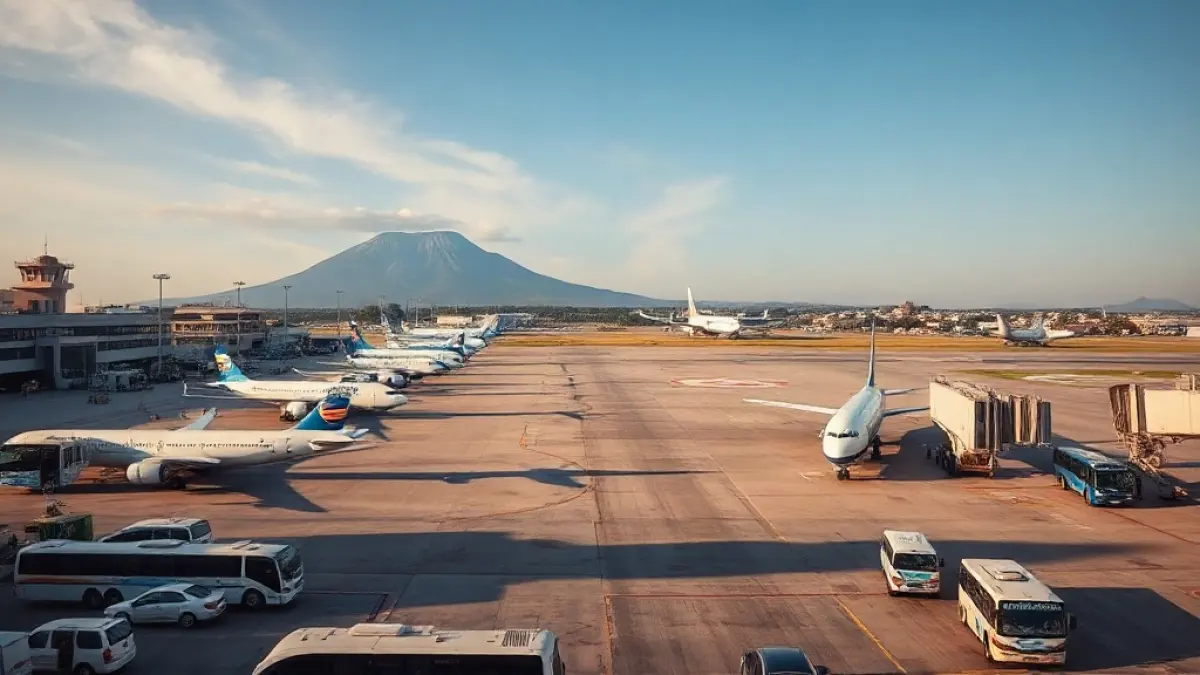
US President Donald Trump signed an executive order on 3 November 2026 declaring a national emergency over what the order describes as an "unusual and extraordinary threat" to US national security and foreign policy arising from the situation in Nicaragua. The emergency is stated to have begun in November 2018, to have persisted for eight years and to be expected to continue into 2027.
Key facts
- Executive order signed 3 November 2026; the underlying emergency dates from November 2018.
- Washington raised its travel advisory for Nicaragua in 2018 to the same level as those for Guatemala and Honduras.
- Cruise liner visits to Nicaragua have never returned to previous numbers.
- Access to loans from bodies such as the World Bank and the IMF, worth $500 million annually, was cut off.
- The Organization of American States (OAS) convenes again on 1 December to decide on further pressure.
What does the renewed order cite?
According to the executive order, Nicaragua poses three main threats to US security and foreign policy. The first is the Nicaraguan government's response to protests that began on 18 April 2018, which the order links to well over 200 deaths, including those of 22 police officers, and at least $1 billion in direct economic damage.
The second is what the order calls the dismantling and undermining of democratic institutions and the rule of law, together with indiscriminate violence and repressive tactics against civilians. The third is alleged government corruption contributing to economic destabilization.
What US measures are already in place?
Writers John Perry and Roger D. Harris describe a range of US measures since the original executive order was signed in Trump's first term. These include sanctions on Nicaraguan government officials, threats to trade arrangements including the country's membership of a regional free trade agreement, and a Biden-era US Trade Representative investigation into alleged unfair trade practices such as use of child labour.
They also note a Biden-era "humanitarian parole" scheme, worldwide tariffs imposed in Trump's second administration that singled out Nicaragua for higher penalties than its neighbours, and the 2018 travel advisory upgrade. Nicaragua's tourist trade recovered more slowly than in countries such as Costa Rica, and cruise visits have not returned to earlier levels.
What could happen next?
Trump's chief of staff, Stephen Miller, identified Nicaragua as an exception to the realignment of countries behind the administration's agenda for the hemisphere, and referred to a regional alliance called the "Shield of the Americas", which includes all three of Nicaragua's immediate neighbours.
Secretary of State Marco Rubio has used the OAS to press Nicaragua, which is no longer a member of the organisation. Ten Latin American nations have agreed to take part, and the arrangement could further threaten Nicaragua's trade links, its diplomatic status and even regional air connections. The OAS meets again on 1 December to decide how to increase that pressure.
What this means for travellers
The executive order introduces no new Nicaraguan visa, passport or entry requirements, and no change to immigration rules is described. What is described is a US travel advisory for Nicaragua raised in 2018 to the same level as those for Guatemala and Honduras, plus reduced cruise traffic and possible pressure on regional air connections.
Travellers considering Nicaragua should check the current travel advisory that applies to them before booking, and keep an eye on cruise and flight schedules in case links are affected.
The OAS meeting on 1 December is the next date to watch for decisions that could affect Nicaragua's trade, diplomatic and air links.
Also about:  United States