
 MongoliaTravel
Mongolia-China Gashuunsukhait border crossing slows, upgrades may last to December
Upgrade work at the Gashuunsukhait-Ganqimaodu border crossing between Mongolia and China has slowed processing and may continue until the end of December. Copper concentrate shipments have dropped about 70% in two weeks.
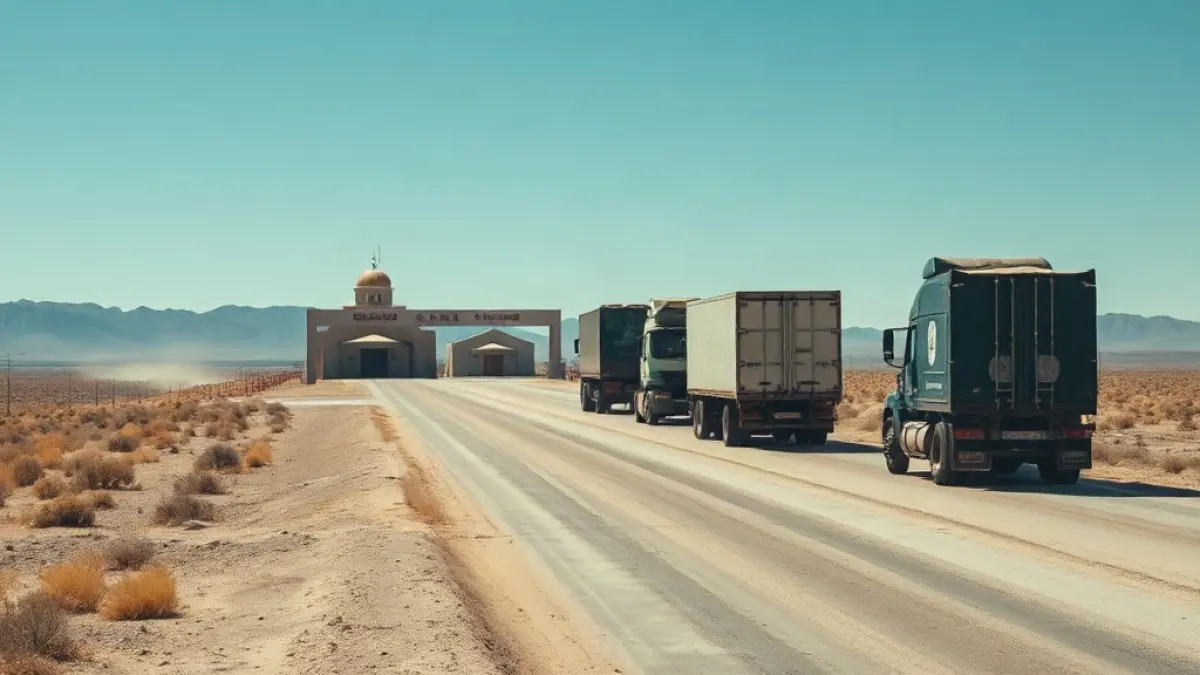
Copper concentrate shipments from one of Mongolia's largest mines to China have fallen by about 70% in two weeks because of restrictions at a border crossing, the mine's operator said on 29 October 2026. Oyu Tolgoi LLC said the disruption is linked to upgrade work at China's Ganqimaodu Border Port, which the Mongolian government has been told may continue until the end of December.
Key facts
- Crossing affected: Gashuunsukhait Border Port on the Mongolian side, facing Ganqimaodu Border Port in China
- Cause: infrastructure and technology upgrades, including an in-vehicle facial recognition system for truck drivers introduced in August
- Duration: work originally due to end by late September, but may now run until the end of December
- Copper traffic: truck convoys down from a usual 12–13 per day to about four
- Coal traffic: vehicles down from 1,300 a day to just over 1,000
- Reported losses: about $300 million so far, potentially $1.2 billion by year-end — figures the mine operator did not confirm
What is happening at the border?
Oyu Tolgoi LLC, which operates the Oyu Tolgoi mine, said the number of truck convoys carrying copper concentrate across the Chinese border has dropped from the usual 12 or 13 a day to around four. The restrictions apply to vehicles crossing at Ganqimaodu Border Port, which is next to Mongolia's Gashuunsukhait Border Port.
Mongolian local news reports put the shortfall at about $300 million against normal operations, with the figure potentially reaching $1.2 billion if the restrictions last to the end of the year. Oyu Tolgoi LLC did not confirm those reported losses in a statement on 29 October.
Why has processing slowed?
Mongolian border officials attributed the slowdown to infrastructure and technology upgrades on the Chinese side. In August, Chinese authorities introduced an in-vehicle facial recognition system for truck drivers crossing the border, and installation and maintenance work has reduced border processing capacity, according to the Mongolian border authorities.
Authorities in China's Inner Mongolia region did not answer questions. Mongolia's government said it was not aware of any political reasons behind the restrictions.
How long could it last?
Mongolia's government said the Chinese embassy in Ulaanbaatar told it the work, originally due to finish by late September according to Mongolian news reports, may continue until the end of December. No confirmed end date has been announced.
Finance Minister Mendsaikhan Zagdjav said some ministers were instructed during a Cabinet meeting to visit the border crossing and meet Chinese authorities. Road and Transport Minister Delgersaikhan Borkhuu said "all transport routes on the Mongolian side remain open".
What is the wider impact on trade?
The same crossing handles coal exports, and the number of vehicles has fallen to just over 1,000 a day from 1,300, border authorities said. During the first nine months of 2026, copper concentrate exports reportedly reached 2 million tons.
Mining accounts for roughly a quarter of Mongolia's GDP. Last year coal and copper concentrates together made up 82.3% of the country's merchandise exports, and 89.4% of total exports went to China. Mongolia supplied about 51% of Chinese coking coal imports in 2025.
What this means for travellers
The source describes the impact on freight vehicles rather than passenger travel. Processing capacity at Gashuunsukhait-Ganqimaodu is reduced while the work continues, so anyone planning to cross the Mongolia-China border overland should check current conditions before setting out. Routes on the Mongolian side remain open.
Mongolian ministers are due to visit the crossing and meet Chinese officials, and the upgrade work is expected to continue at least until late December unless the timetable changes.
Also about:  China