
 LuxembourgPassports
Morphed passport photos that could serve two people come under scrutiny
A University of Twente researcher told a Luxembourg conference on 21 October 2026 how blended passport photos can let two people share one genuine document, and how new detection work aims to help border officers.
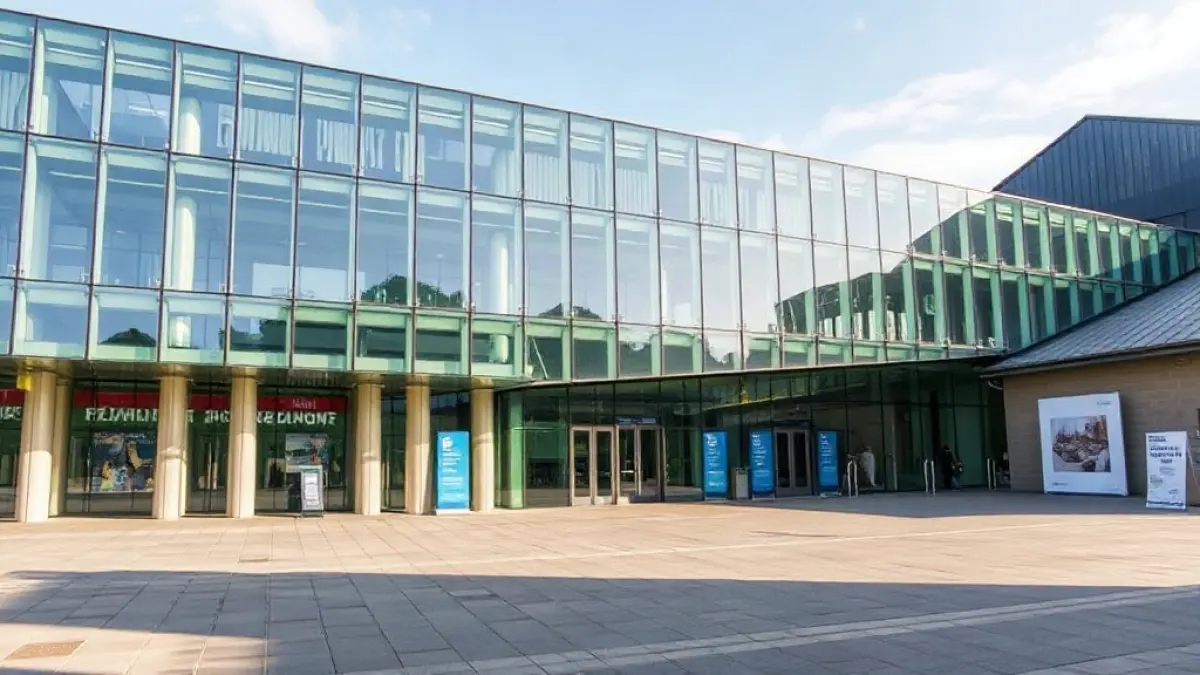
Research on how a single manipulated passport photo can be shared by two different people was presented in Luxembourg on 21 October 2026, at a conference on document fraud and artificial intelligence. PhD researcher Raul Ismayilov of the University of Twente spoke at the event, which was organised by the European Migration Network (EMN) Luxembourg and held at the European Parliament's Europa Experience in Luxembourg.
Key facts
- Conference date: 21 October 2026
- Organiser: European Migration Network (EMN) Luxembourg
- Venue: the European Parliament's Europa Experience in Luxembourg
- Speaker: PhD researcher Raul Ismayilov, University of Twente
- Work presented under the EU-funded EINSTEIN project
- Topic: face morphing attacks on identity documents and how to detect them
What is face morphing?
Face morphing blends the facial features of two individuals into a single image. In countries where citizens are allowed to submit their own photos for identity documents, such manipulated images can end up in genuinely issued passports or identity documents. Two different people may then be able to use the same document, which the researcher described as a serious challenge for identity verification and border security.
What is being done about it?
Within the EU-funded EINSTEIN project, Ismayilov is working on ways to detect these attacks. His recent work focuses on face de-morphing, an approach that tries to reconstruct one of the original identities hidden inside a morphed image.
The aim is to provide visual explanations alongside any fraud alert, so that border control officers can make better-informed decisions when checking documents.
What this means for travellers
The presentation covered ongoing research rather than any new requirement. No changes to passport photo rules, identity document procedures or border checks were announced, and no timetable for deploying the detection work was given.
Travellers should simply continue to follow the photo and document rules set by the country issuing their passport or identity document.
Further details of the research are expected to come from the EINSTEIN project and the University of Twente.
Also about:  Netherlands