
 LiberiaEntry rules
Travellers to Liberia Face Tighter Health Checks at Borders, No Ebola Case Yet
Liberia's Ministry of Health has ordered stronger Ebola screening and infection controls at border entry points, health facilities and public buildings after Nigeria confirmed an imported case. No Ebola case has been confirmed in Liberia.
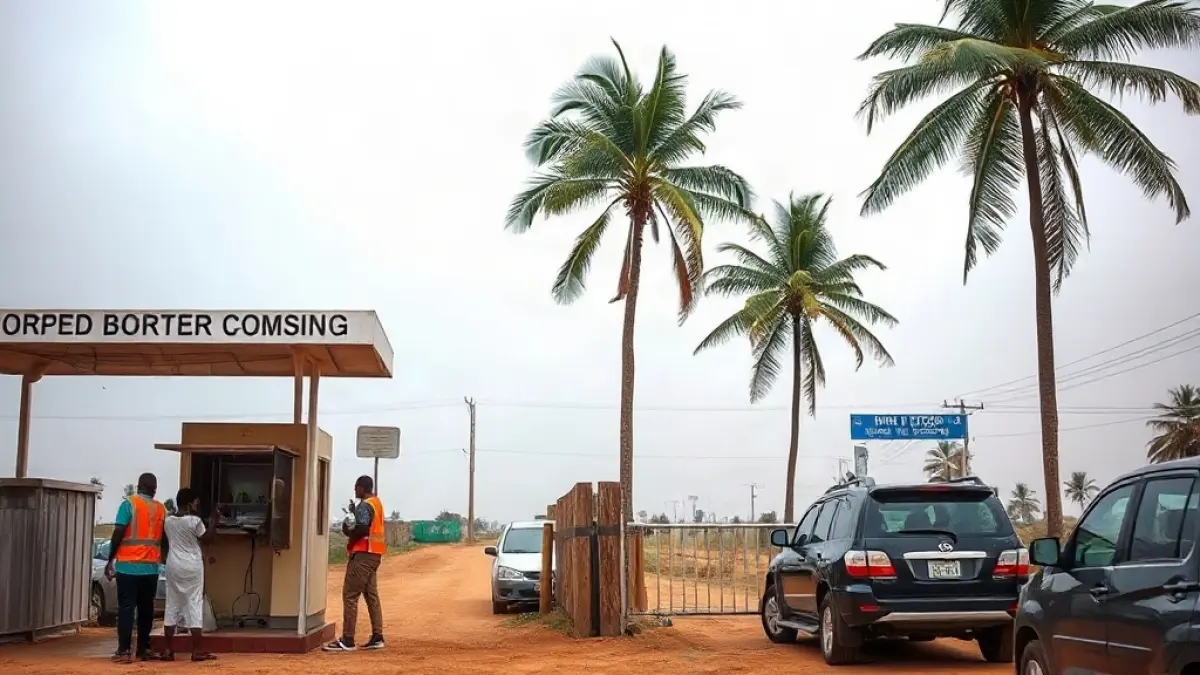
Liberia's Ministry of Health has ordered health facilities, border entry points, public buildings and other institutions across the country to strengthen screening and strictly apply infection prevention and control measures. The directive, issued on 21 October 2026 with the National Public Health Institute of Liberia (NPHIL), follows Nigeria's confirmation of an imported case of Ebola Bundibugyo virus disease.
The Ministry said the measures are precautionary and that no Ebola case has been confirmed in Liberia.
Key facts
- Directive issued 21 October 2026 by Liberia's Ministry of Health and NPHIL
- Applies to border entry points, health facilities, public buildings and other institutions
- Triggered by an imported Ebola Bundibugyo case confirmed in Nigeria
- No Ebola case confirmed in Liberia
- The advisory will be reviewed and updated periodically
Why is this happening?
Nigeria confirmed an Ebola Bundibugyo virus case in a woman with recent travel history to Uganda. The Ministry noted this involves the Bundibugyo virus linked to the wider regional outbreak, rather than a separate Ebola outbreak in Nigeria. The wider outbreak began in the Democratic Republic of the Congo (DRC) and has raised public health concerns across the region.
The Ministry pointed to Liberia's travel and trade connections with Nigeria, Uganda, Kenya and the DRC as the reason for strengthening the country's ability to detect and respond to potential health threats before they escalate.
What will travellers notice?
Institutions must provide functional handwashing stations with soap and water, or appropriate hand sanitizers, at entrances. Facilities must screen individuals for symptoms and collect relevant travel and exposure histories in line with national health guidelines. The Ministry stressed that temperature checks alone are not enough to identify possible Ebola cases.
Facilities are also required to follow strict hand hygiene, use protective equipment properly, clean environments and dispose of waste safely. Suspected cases must be separated from others immediately and reported to the relevant County Health Teams and NPHIL, with any referral handled safely through designated channels for medical assessment.
What happens next?
Facility heads, county health authorities, border officials and institutional managers have been instructed to ensure full compliance and report gaps needing additional support. The government has asked institutions to maintain adequate infection prevention supplies and give refresher training to frontline personnel.
The Ministry said the travel advisory will be reviewed and updated periodically as necessary, and that the public should remain vigilant, follow recommended preventive measures and cooperate with health authorities. Updates will continue to be provided through official communication channels.
 Nigeria
 Uganda
 DR Congo
 Kenya