
 IsraelTravel
Israel educational trips now cost 15% more, with 2026 numbers cut by war
A survey of 32 Israel educational travel providers found median costs per participant are 15% above budget, and the Iran war has pushed projected 2026 participation down to 52,000, 20% below pre-war forecasts.
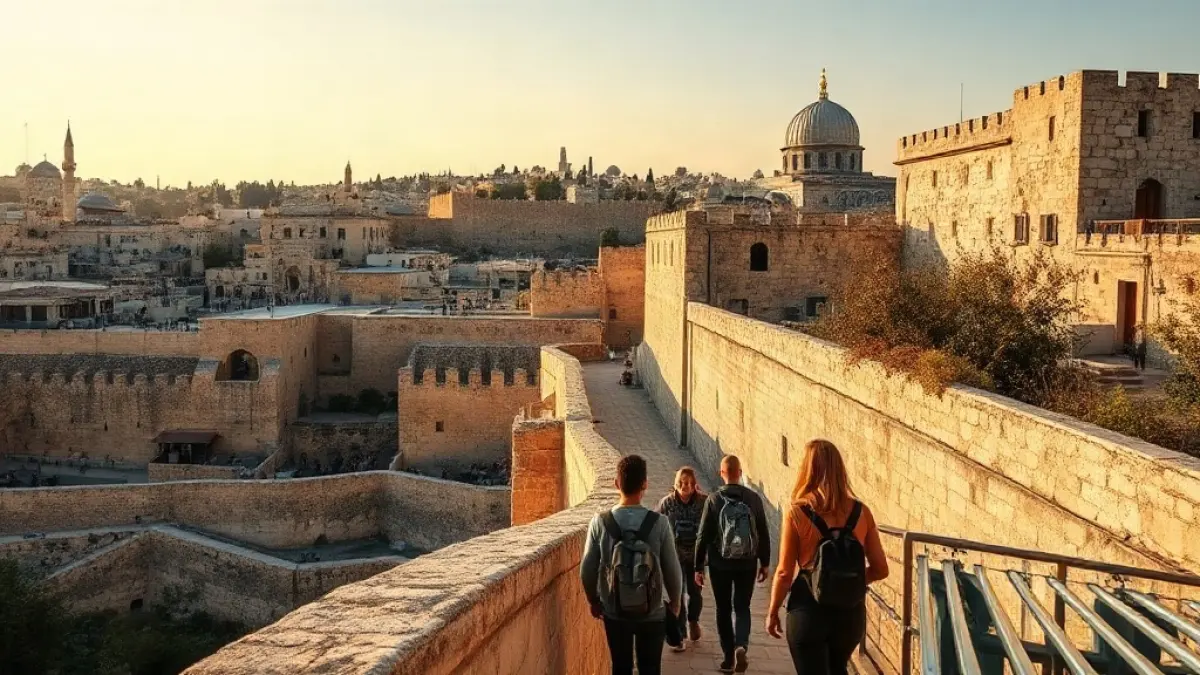
Organisations running educational trips to Israel are reporting a median 15% rise in the cost per participant against their original 2026 budgets, while the Iran war has cut projected participation to 52,000 for the year, according to new data from the Israel Educational Travel Alliance (IETA). Even so, the 2026 figure is 14% above last year's levels, and about 37,000 people had already travelled to Israel as of early October.
Key facts
- 15% — median increase in cost per participant versus original 2026 budgets
- 52,000 — projected participants in Israel educational travel in 2026, 20% below pre-war projections but 14% above last year
- 37,000 — participants who had already travelled to Israel as of early October, with more programmes expected before year end
- 32 organisations — surveyed for the Summer 2026 Pulse Survey, conducted from 18 September to 6 October
- Programmes for less-engaged Jews are projected at 40% below expectations; non-Jewish and interfaith programmes at 50% below
What is driving the higher costs?
IETA's data point to rising airfare, higher insurance costs and currency fluctuations as the sources of financial pressure on providers. The alliance said these costs are making it harder to keep Israel educational travel affordable and accessible.
IETA is housed within the Jewish Federations of North America, and its survey covered the organisations that run these programmes.
Who is affected most?
The figures show programmes reaching less-engaged Jewish participants and non-Jewish or interfaith audiences have been hit hardest. Participation among less-engaged Jews is projected to be 40% below original expectations, while non-Jewish and interfaith programmes have seen a 50% decline from initial projections. The average programme recorded a 20% decrease from its original forecast.
The report notes that many of these participants rescheduled their trips rather than cancelling outright, indicating concern about conditions in Israel.
Rabbi David Levy, Executive Director of IETA, said "the rising cost of providing these experiences is creating significant challenges for the field".
What are providers doing next?
Priorities are moving away from crisis response towards removing financial barriers, IETA said. Financial incentives for participants were the most frequently identified area where more support is needed, followed by community partnerships and better measurement of programmes' impact.
IETA said it is working with providers on financial planning, community partnerships and targeted financial incentives, with a focus on less-engaged audiences, alongside continued research and convening.
What this means for travellers
Anyone considering an educational trip to Israel in 2026 should expect programme pricing to reflect higher airfare and insurance costs, and should confirm the current total cost directly with the programme before committing. Travellers whose trip has been rescheduled can expect more programmes to run before the end of the year, according to the survey.
The survey was conducted between 18 September and 6 October. IETA has published the findings as a slide presentation, and said further work on financial sustainability and reaching less-engaged audiences is continuing.