
 IraqEntry rules
Travellers at Kurdistan crossings face federal-run border control under Baghdad order
On 24 November 2026, Iraqi Prime Minister Ali al-Zaidi ordered the federal Border Ports Commission to take over all border crossings in the Kurdistan Region and barred Kurdish oil export approvals without federal authorisation.
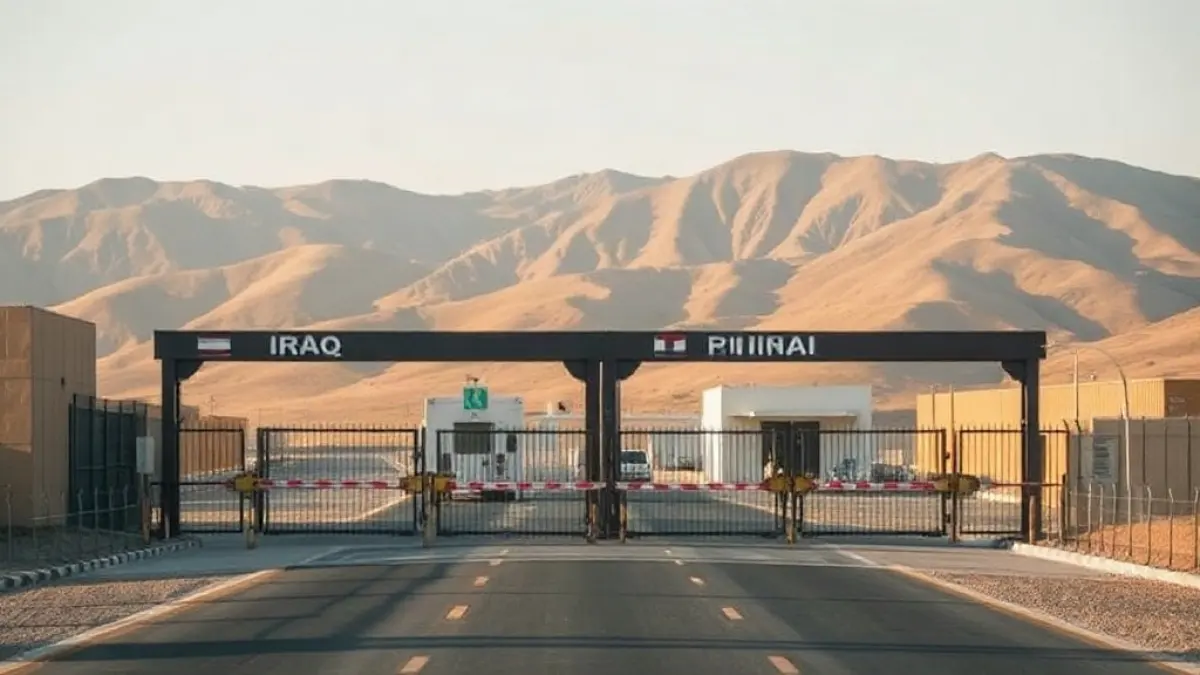
Iraqi Prime Minister Ali al-Zaidi has ordered all border crossings in the autonomous Kurdistan Region to come under federal control, alongside several oil fields, in a move aimed at curbing oil smuggling. The decision was announced on 24 November 2026 by the prime minister's spokesperson, Sabah al-Numan.
Key facts
- Date of the order: Tuesday, 24 November 2026
- Who decided: Iraqi Prime Minister Ali al-Zaidi, announced by spokesperson Sabah al-Numan
- Border crossings: all crossings in the Kurdistan Region to be run by the federal Border Ports Commission
- Oil fields: to be managed by the federal oil ministry in Diyala, Kirkuk, Salaheddine and Nineveh
- Exports: the Kurdish government may not approve crude or petroleum product exports except through the federal Ministry of Oil
What is changing?
The Border Ports Commission is to take charge of every border crossing in the Kurdistan Region, according to Numan. In the same set of instructions, Zaidi directed the oil ministry to manage all oil fields in the Diyala, Kirkuk, Salaheddine and Nineveh governorates. Those areas lie outside the Kurdistan Region but, the spokesperson said, had remained under its "security authority".
Zaidi also told the Kurdish regional government not to grant approvals for exports of crude oil or petroleum products other than through the federal Ministry of Oil.
Who is affected?
The measures cover the Kurdistan Region's border crossings and the oil fields of four governorates that border or neighbour it. Kirkuk, described as oil-rich, directly borders the Kurdistan Region.
Alongside the order, Zaidi dismissed the head of Iraq's border ports authorities, suspended the chief of the state-owned North Oil Company and removed several security officials in Kirkuk, Numan said. Those steps followed the findings of an investigation committee the prime minister sent to northern Iraq earlier in November 2026.
Why is this happening?
The prime minister, who has pledged to fight corruption in Iraq, has been cracking down on the illicit oil trade. His government has arrested officials and challenged an Iran-backed group after smuggling was uncovered in that group's stronghold near Baghdad, according to the spokesperson.
It remains unclear whether Zaidi's decisions were coordinated with the Kurdistan Region. Relations between Baghdad and the Kurdish authorities have often been strained by disputes over oil exports.
What this means for travellers
Anyone planning to enter or leave Iraq through a crossing in the Kurdistan Region should note that those crossings are to be administered by the federal Border Ports Commission. The source does not say whether border procedures, opening hours or required documents will change, and no timetable for the handover has been announced.
No further details on implementation have been given. Travellers can watch for announcements from Iraqi authorities on how the federal takeover of the crossings will be carried out.