
 IndiaEntry rules
What India's new passport exemptions mean for travellers from Pakistan
India's Union Ministry of Home Affairs has notified exemptions from passport requirements for certain Pakistani nationals, religious minorities from Pakistan, Bangladesh and Afghanistan, Sri Lankan Tamils and Tibetans, plus simpler ID rules for India-Nepal-Bhutan travel.
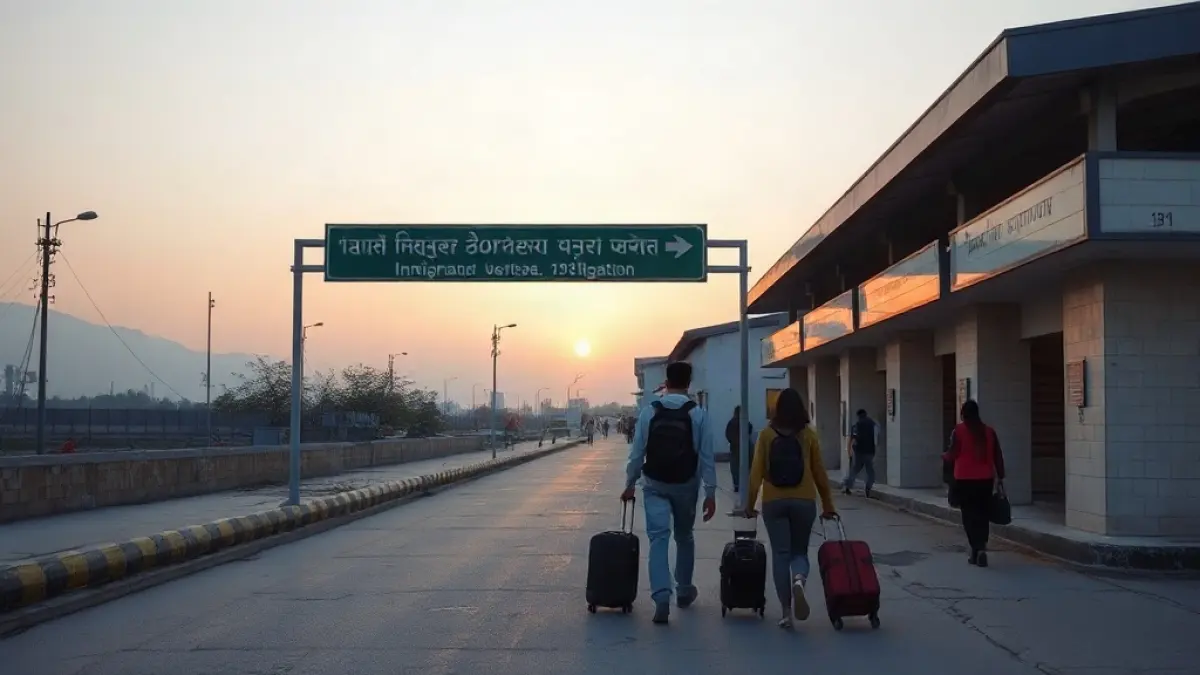
India's Union Ministry of Home Affairs has notified new exemptions from passport and visa requirements for several categories of foreign nationals living in the country, including certain Pakistani citizens, religious minorities from Pakistan, Bangladesh and Afghanistan, Sri Lankan Tamils and Tibetans. The changes were issued through the Immigration and Foreigners (Exemption) (Amendment) Order, 2026, published in the Gazette on Thursday. The order also simplifies identification and travel documents for Indian, Nepalese and Bhutanese citizens moving between the three neighbouring countries.
Key facts
- Legal instrument: Immigration and Foreigners (Exemption) (Amendment) Order, 2026, notified by the Union Ministry of Home Affairs and published in the Gazette on Thursday.
- Groups covered: certain Pakistani nationals, six religious minorities from Afghanistan, Bangladesh and Pakistan, registered Sri Lankan Tamils, certain Tibetans and some people of Indian origin.
- Entry cut-off dates: 31 December 2009 for Pakistani nationals and people of Indian origin, 31 December 2024 for religious minorities, and 9 January 2015 for Sri Lankan Tamils.
- India-Nepal-Bhutan travel: citizens of the three countries may use documents listed in the government's Visa Manual instead of passports for direct travel by land or air.
- Visas: the exemptions do not grant indefinite residence; a visa is still required to continue staying in India wherever the rules call for one.
Which foreign nationals are exempt from passport requirements?
The amended order sets out exemptions based on nationality, date of entry, travel history and individual circumstances. The categories are:
- Certain Pakistani nationals who entered India on or before 31 December 2009 intending to settle permanently, and who cannot renew their Pakistani travel documents because they do not hold a Computerised National Identity Card (CNIC) issued by Pakistan.
- Religious minorities from Afghanistan, Bangladesh and Pakistan — Hindus, Sikhs, Buddhists, Jains, Parsis and Christians — who entered India on or before 31 December 2024 after fleeing religious persecution or fear of persecution. This covers people who entered without valid travel documents as well as those whose passports or other documents have expired.
- Registered Sri Lankan Tamil nationals who took refuge in India on or before 9 January 2015.
- Certain Tibetan nationals who entered India on permits issued by the Indian Embassy in Kathmandu between 1959 and 30 May 2003, or through special entry permits at designated immigration posts along the India-Nepal border.
- Certain people of Indian origin who acquired Malaysian or Singaporean citizenship and returned to India on or before 31 December 2009 using passports issued by those countries that have since expired and cannot be renewed.
What conditions apply to Pakistani nationals?
The exemption for certain Pakistani nationals comes with specific conditions. Applicants must:
- Have entered India on or before 31 December 2009 with the intention of settling permanently.
- Be unable to renew their Pakistani travel documents because they do not possess a CNIC.
- Have left behind family members who are Indian citizens when they travelled to Pakistan.
- Not have married while in Pakistan or acquired immovable property there.
- Have no adverse reports from police or security agencies.
- Undertake not to return to Pakistan.
What changes for travel between India, Nepal and Bhutan?
Citizens of India, Nepal and Bhutan travelling directly between the three countries by land or air may use specified identification documents listed in the government's Visa Manual instead of standard passports.
Standard passport and visa requirements continue to apply when a third country is involved. Indian citizens travelling to or returning from countries other than Nepal and Bhutan through the India-Nepal or India-Bhutan borders must carry valid passports and use designated immigration checkpoints. Nepalese and Bhutanese citizens entering or leaving India after travelling through or transiting via China, Macau, Hong Kong or Pakistan must carry valid passports and visas.
Who else is covered by the order?
Indian Army, Navy and Air Force personnel travelling on official duty are exempt from passport and visa requirements, as are family members accompanying them on government transport. Crew members aboard foreign military vessels visiting India for repairs are exempt from passport requirements if they hold Military Ship Repair Permits issued by immigration authorities and carry valid military identification. The order defines foreign military vessels as warships and other government-operated ships used for non-commercial purposes by another country's armed forces.
Do foreign nationals still need visas to stay in India?
Yes. The passport and visa exemptions do not automatically grant permission for indefinite residence in India. Foreign nationals covered by the amended provisions must obtain the appropriate visa to continue staying in the country, wherever required under the applicable rules. The same applies to religious minorities from Afghanistan, Bangladesh and Pakistan, who must obtain the appropriate visa to continue residing in India.
What this means for travellers
Travellers in the listed categories should check whether their nationality, date of entry and document status match the conditions in the amended order before travelling or applying for a visa. Pakistani nationals seeking the exemption need to show they entered India on or before 31 December 2009 and meet the remaining conditions. Anyone travelling between India, Nepal and Bhutan should confirm which identification documents are listed in the government's Visa Manual, and carry a valid passport and visa whenever the journey involves a third country.
The amended order was published in the Gazette on Thursday. No separate implementation date has been announced beyond that publication.
Also about:  Pakistan
 Nepal
 Bhutan
 Bangladesh
 Afghanistan
 Sri Lanka
 Malaysia