
 IndiaEntry rules
Bhutan Travellers Must Carry Photo ID for India Crossings From 5 Nov
India's Ministry of Home Affairs has made a specified photo ID compulsory for Indian, Nepalese and Bhutanese citizens crossing between the three countries by land or air. Passports remain optional for direct trips only.
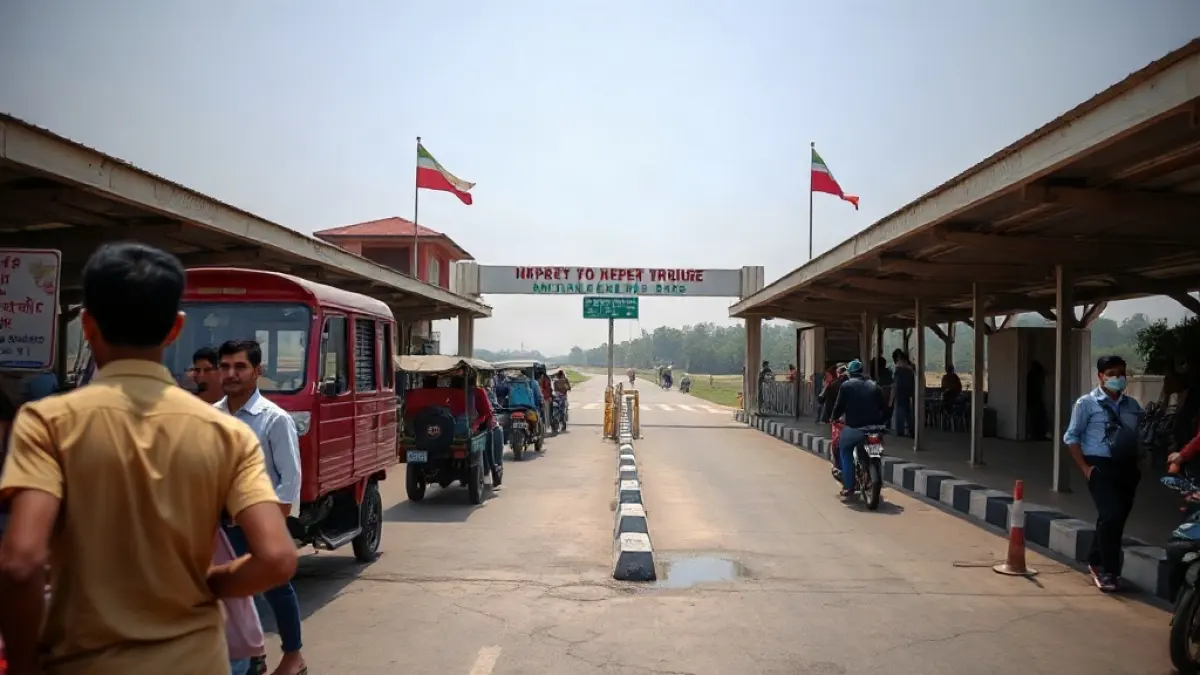
Travellers crossing between India, Nepal and Bhutan must now carry an identity document that an immigration officer can ask to see, even though the journey still requires no passport and no visa. India's Ministry of Home Affairs issued the change in the Immigration and Foreigners (Exemption) (Amendment) Order, 2026, dated 4 November and published in the Official Gazette on 5 November 2026.
Key facts
- In force: published in the Official Gazette on 5 November 2026
- Issued by: India's Ministry of Home Affairs under Section 33 of the Immigration and Foreigners Act, 2025
- Who is affected: Indian, Nepalese and Bhutanese citizens travelling between the three countries by land or air
- What is required: one identity document from the Visa Manual list, plus answers to the immigration officer's questions
- Passports: still not needed for direct trips, but required for third-country routing
What is changing?
The amendment revises the Immigration and Foreigners (Exemption) Order, 2025, which had earlier streamlined entry for the three nationalities. It adds a compulsory identity check on top of the existing passport-free and visa-free arrangement for direct travel.
For Indian citizens, the requirement applies in both directions — entering India from Nepal or Bhutan and departing India for either neighbour — whether the crossing is by land or by air. Nepalese and Bhutanese citizens entering or leaving India face the same obligation.
The order does not publish its own list of accepted documents. It points to the existing Visa Manual, so travellers should confirm which of their documents qualifies before setting out.
Who is affected?
Citizens of India, Nepal and Bhutan travelling directly between the three countries remain exempt from passport and visa requirements for the journey itself. What they now need is a specified identity document and cooperation with immigration questioning at any land or air checkpoint.
When does a passport become compulsory?
The exemption ends as soon as a third country enters the itinerary. Indian citizens travelling to another country through the Nepal or Bhutan border, or returning from one, must hold a valid passport and may enter or exit only through designated immigration posts. The same rule binds Nepalese and Bhutanese citizens heading to or arriving from any country other than Nepal or Bhutan.
A stricter clause covers specific travel histories. Nepalese and Bhutanese citizens who embarked at or transited through China, Macau, Hong Kong or Pakistan must hold both a valid passport and a valid visa, even when crossing between the three neighbours.
Are there exemptions?
The amendment names several duty-based and status-based categories. Indian naval, military and air force personnel entering or leaving the country on duty are covered, along with family members travelling with them on government transport. Foreign crew of military vessels visiting India for repairs are exempt once granted Military Ship Repair Permits.
Also covered are registered Sri Lankan Tamil nationals who took shelter in India up to 9 January 2015, and certain Tibetan nationals who entered through designated procedures and completed registration. Members of minority communities — Hindus, Sikhs, Buddhists, Jains, Parsis and Christians — from Afghanistan, Bangladesh and Pakistan who entered India on or before 31 December 2024 after facing religious persecution or fear of it are included as well.
What this means for travellers
Anyone making a direct trip between India, Nepal or Bhutan should carry at least one identity document from the Visa Manual list for every traveller and be ready to answer an immigration officer's questions at the checkpoint. Travellers routing through Nepal or Bhutan to a third country need a valid passport and must use designated immigration posts.
Those whose itineraries include China, Macau, Hong Kong or Pakistan should arrange both a passport and a visa before attempting the crossing. Checking the route and the accepted ID list before booking is the practical step that follows directly from the order.
The revised rules took effect on publication in the Official Gazette. No further changes have been announced.
 Nepal
 Bhutan