
 IndiaEntry rules
Bangladesh-bound deportations rise as India strikes names off voter lists
People dropped from India's revised electoral rolls are being detained and pushed across the border into Bangladesh, court filings and interviews show. Removal from the rolls does not by itself establish foreign nationality.
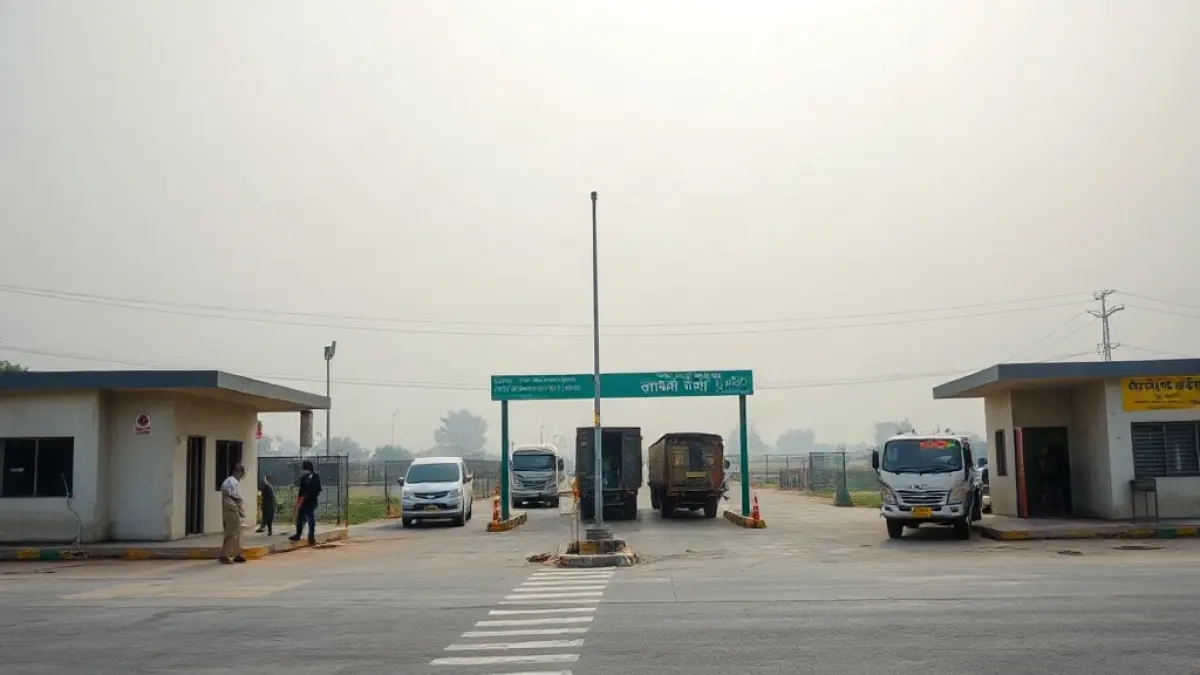
People removed from India's revised electoral rolls are being detained and, in some cases, forced across the border into Bangladesh, according to court filings and interviews with affected families. Removal from the rolls does not by itself establish that someone is a foreign national.
Key facts
- The voter list revision struck 130 million names nationwide — the largest deletion of voters in India's history.
- In West Bengal, around 9 million names were cut ahead of state elections earlier this year.
- Muslims made up about 70% of the 2.7 million names deleted after a closer review, despite being 27% of the state's population, according to the Kolkata-based Sabar Institute.
- Court filings show one woman was among 149 people deported during a single operation.
- Home Minister Amit Shah linked the roll deletions to expulsions at a rally on 5 November.
What is happening to people dropped from the rolls?
Reporters interviewed 10 families whose relatives were detained, deported or questioned about their citizenship after being removed from India's revised electoral rolls. All of them held Indian identity or family documents, while relatives including parents and siblings remained on the voter lists.
One case involves Sahida Fakir, 38, who said plainclothes officers detained her in Mumbai on 19 July, seized her phone — which she said held copies of identity documents — and eventually forced her across the border. Court filings show the officials belonged to the Mumbai police crime branch. The department did not respond to a request for comment.
Mumbai police told a court she was handed to the Border Security Force on the Assam border and deported to Bangladesh through designated authorities. Fakir said she was pushed into Bangladesh at 1 a.m. from an unmanned, unfenced stretch of the border.
How are the roll deletions and expulsions connected?
Home Minister Amit Shah linked the two drives at a rally in Haryana on 5 November, saying it was his party's resolve to detect infiltrators, remove them from the electoral rolls and then expel them from the country. India's Home Ministry, Prime Minister's Office and Election Commission did not respond to requests for comment.
The revision has drawn accusations that the ruling Bharatiya Janata Party (BJP) is reshaping the electorate in its favour; the party denies targeting legitimate citizens. In West Bengal, the BJP won state elections earlier this year and took control of the state for the first time.
What do the courts say?
Fakir's family petitioned the Supreme Court in August, arguing that deletion from an electoral roll cannot determine citizenship and that she could not be removed on the basis of an untested executive assertion. Family records show her parents and grandparents were registered voters in Swarupnagar, West Bengal, from India's first national election in 1952, and she has appeared on West Bengal's rolls since at least 2008.
Mumbai's Foreigners Regional Registration Office told the Calcutta High Court that Fakir produced a Bangladeshi birth certificate during an inquiry and failed to produce valid documentary evidence of Indian citizenship. Fakir disputes this, saying authorities seized her phone and gave her no chance to show stored documents. Indian law does not require citizens to carry identification at all times.
In another Calcutta High Court petition, hawker Nasiruddin Sheikh and four others said they were detained after their names were removed, even though appeals were pending before special tribunals. Sheikh said he and 22 others were detained in Chhattisgarh; 19 were released after 14 days, while he and three others spent 32 days in custody. Police and state lawyers have told the court that West Bengal has no permanent detention camps.
What this means for travellers
The cases concern people living in India whose names were removed from electoral rolls, rather than visitors arriving at the border. The reports describe detentions and deportations concentrated in West Bengal and along the India–Bangladesh frontier, including the Petrapole border checkpoint.
Travellers with family or personal ties to the India–Bangladesh border region may wish to keep identity and citizenship documents accessible and to monitor court challenges to the voter-roll revision, which remain pending.
Millions of challenges to the West Bengal deletions are still awaiting decisions before special tribunals, which a human rights activist described as slow. No further dates for the court cases have been announced.
Also about:  Bangladesh