
 GabonTravel
British rig workers unable to depart Gabon three weeks after Mayumba sinking
A 68-year-old Hull man is among British workers still in Gabon more than three weeks after the Prospector 5 drilling rig sank off Mayumba. His family say he is not free to leave and has not been charged with anything.
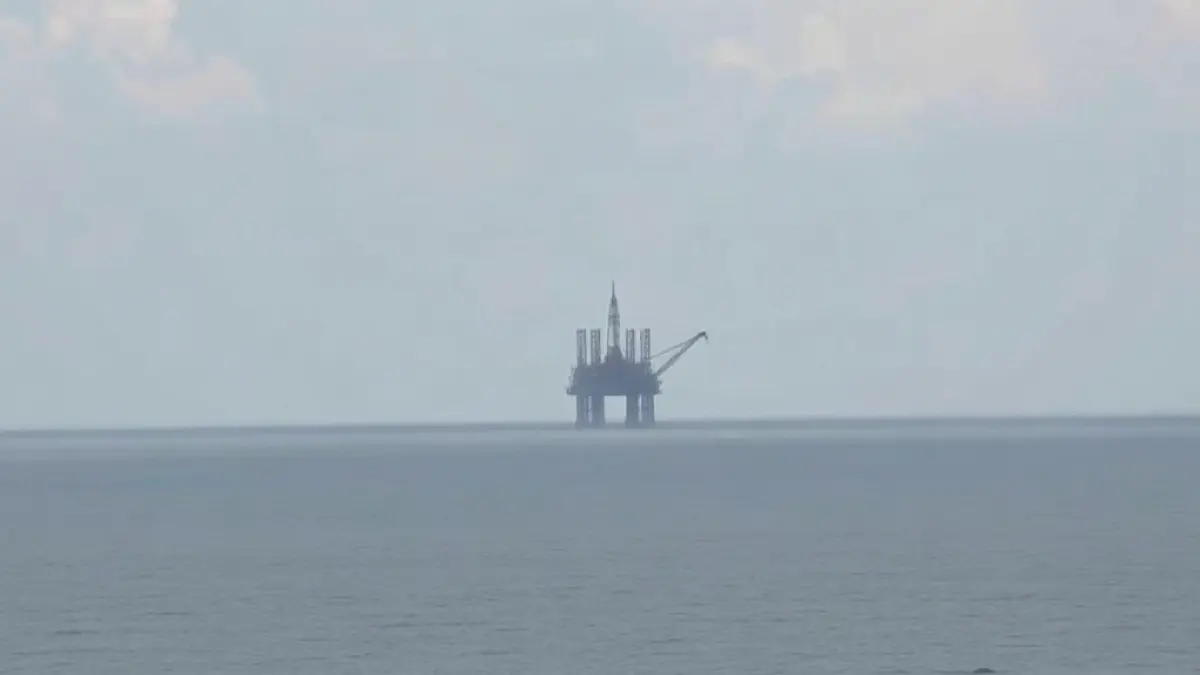
A 68-year-old British man who survived the sinking of a drilling rig off Gabon is still unable to return home more than three weeks after the disaster, his family say. Marine warranty surveyor Richard Richardson, from Hull, is among a group of British workers staying at a secure hotel complex in Port Gentil, and his relatives say he is not free to leave.
Key facts
- The Prospector 5 rig sank off Mayumba on 24 October; 110 of the 115 people on board made it ashore.
- A judicial investigation into the sinking was opened on 25 October.
- On 2 November, Borr Drilling said four bodies had been recovered and a search was under way for one person.
- British survivors are staying at a secure hotel complex in Port Gentil; none has been charged, their families say.
- The UK Foreign Office says it is supporting several British nationals in Gabon.
What happened?
The Prospector 5, an oil and gas rig owned and operated by Borr Drilling, sank off Mayumba on 24 October. The rig had been contracted to support BW Energy's drilling operations off Gabon and had not yet begun drilling.
Mr Richardson got off the rig with only the clothes he was wearing and a few euros, his family say — no passport, phone or wallet. Of the 115 people on board, 110 reached shore.
Why can't the survivors come home?
Mr Richardson has been staying with other British workers at a secure hotel complex in Port Gentil, but his family say he is not free to leave. His 40-year-old daughter Jessica Matisak said the family is in a crisis and has no feeling of control while they wait for answers about his return.
She said her father is co-operating with investigators, going to interviews and answering their questions, but does not speak French. None of the workers has been charged with anything, the family say. Relatives are trying to establish whether there is a formal restriction on his travel and how the Gabon legal system works, and say the families of other British survivors are facing the same questions.
The family speaks to him daily on a phone he has been given. His wife of 36 years, Diane, 68, said his mental health is not good and he is becoming more downhearted. The family say they are worried he could be moved to a less comfortable location in Africa and might lose contact with them altogether. His son Josh said the survivors went through a traumatic experience and that the family has serious concerns about their welfare.
What are the authorities and the operator doing?
A judicial investigation was opened on 25 October to determine the circumstances surrounding the sinking. Borr Drilling has also commissioned an independent investigation. Its chief executive, Bruno Morand, said the investigation will fully consider all evidence and assess every potential cause before reaching a final determination.
A Foreign Office spokesman said the department is providing support to several British nationals in Gabon and remains in contact with the local authorities.
What this means for travellers
For the British survivors, the position more than three weeks after the sinking is that they remain in Gabon, no charges have been brought against them and it is still unclear whether any formal travel restriction applies. Families are working to establish what the rules are and are trying to contact one another so they can support each other.
The search for the one person still missing continues, and the judicial and independent investigations into the sinking are ongoing. Families say they are still waiting for answers about when the survivors can come home.
Also about:  United Kingdom