
 El SalvadorEntry rules
El Salvador screens air and sea passengers before they arrive
El Salvador has started analysing airline and cruise passenger data before travellers reach its borders, using a platform from SITA. The system is live at the country's main international airport and will be extended to cruise seaports.
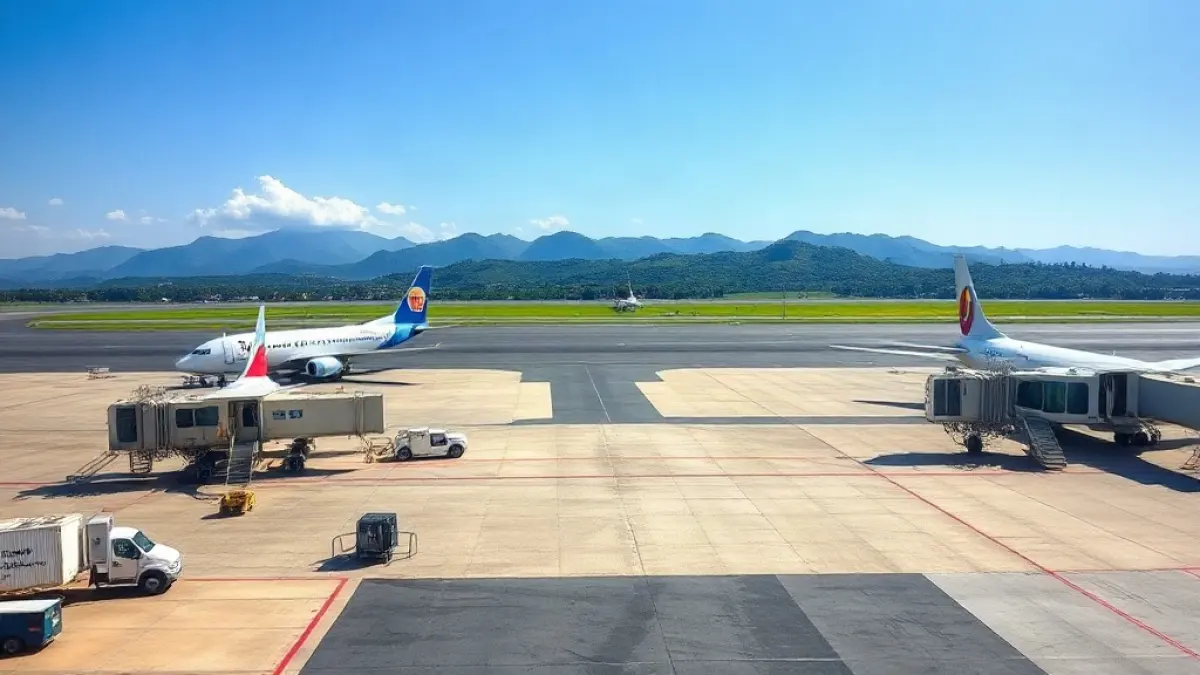
El Salvador has put in place a technology platform that lets border authorities review passenger information before travellers arrive in or leave the country by air or sea. Built by SITA, the system links airlines, cruise operators and immigration authorities through a single advance information channel, and El Salvador is the first country in Central America to integrate these data sources for border management.
Key facts
- Who runs it: the General Directorate of Migration and Foreign Affairs (DGME), under the Ministry of Public Security and Justice
- Data covered: Advance Passenger Information (API), Passenger Name Records (PNR) and maritime information
- Where it operates now: Monseñor Óscar Arnulfo Romero International Airport (SAL), El Salvador's main international airport
- Next step: seaports authorised to receive cruise ships
- Cost to travellers: no fee is mentioned
What is changing?
Carriers send passenger details to the authorities before departure. The system gathers identity data, travel documents, itineraries and booking records, giving border officials a fuller picture of who is crossing the border before the crossing happens.
That advance view supports screening of travellers in advance and lets targeted checks focus on the cases that need closer attention. The DGME says the platform also helps prevent irregular migration, human trafficking and other transnational criminal activity, and helps identify irregularities and suspicious travel patterns on journeys to and from the country.
Who is affected?
The change applies to passengers arriving and departing by air and sea. Information is supplied by airlines and other carriers, so travellers do not submit anything themselves under the arrangements described. No new visa, document or fee requirements for visitors are mentioned.
Where does the system operate?
The platform is currently used for passenger traffic at Monseñor Óscar Arnulfo Romero International Airport (SAL). It will later be extended to seaports authorised to receive cruise ships, with the aim of covering passenger control for both air and sea transport. No date has been announced for the seaport rollout.
Why is this happening?
Ricardo Ernesto Cucalón, Director General of the DGME, said the platform strengthens the country's border management and security capabilities, and that reviewing travel patterns and booking information in advance helps identify potential threats and improve coordination of responses at air and sea borders.
Pedro Alves, senior vice president of SITA's Border Unit, said Central American governments are speeding up digital transformation in response to security threats and growing traveller numbers, and that combining air and maritime data supports faster decisions, stronger controls and a smoother travel experience. SITA says the platform also helps meet requirements set by the United Nations Security Council and the International Civil Aviation Organization (ICAO).
What this means for travellers
Passengers flying in or out of El Salvador should expect their identity details, travel documents, itinerary and booking information to be shared with Salvadoran border authorities before the flight. The source describes no action for travellers to take and no change to entry permissions.
The next development to watch is the extension of the platform to seaports authorised for cruise ships, which would bring cruise passenger processing into the same system.