
 CroatiaTravel
Croatia tourist spending climbs to €162 a day, survey shows
New TOMAS Croatia 2025/2026 research puts average daily tourist spending at €162 on the coast and €164 inland, both up since 2022. Restaurant prices remain the main complaint among visitors.
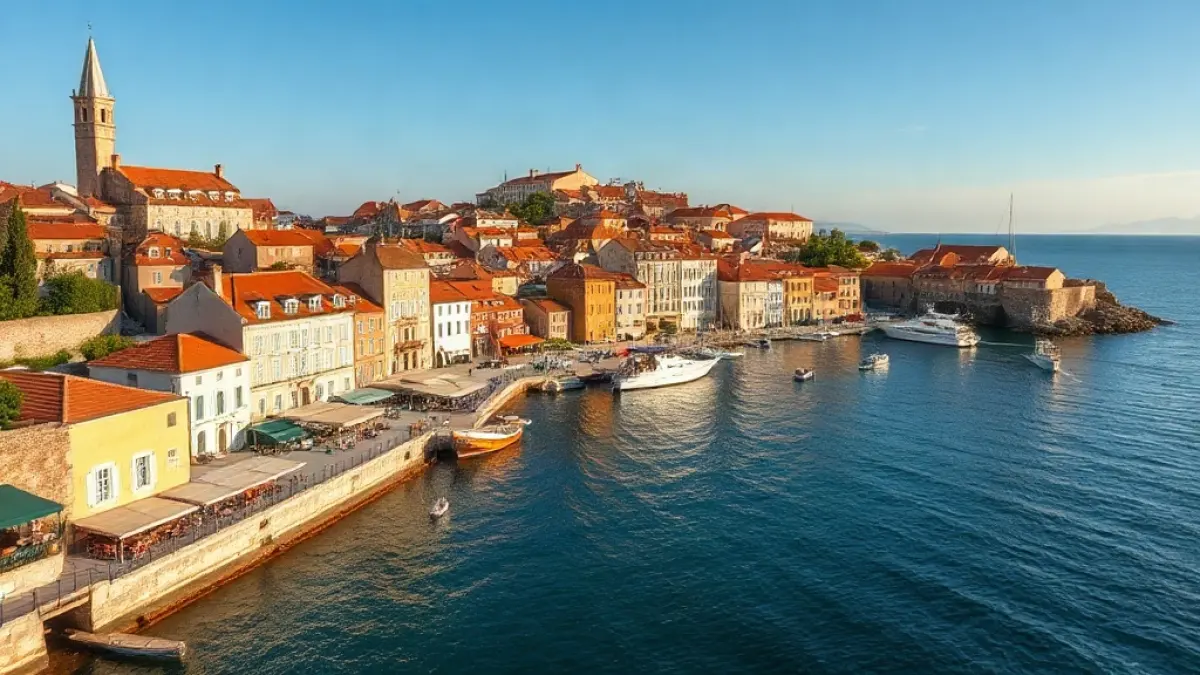
Visitors to Croatia are spending more per day than in the previous national survey, with average daily expenditure reaching €162 per person in coastal Croatia and €164 in continental Croatia. The findings come from the TOMAS Croatia 2025/2026 study, presented on Monday by the Institute for Tourism, and they also show that restaurant prices remain a familiar gripe for holidaymakers.
Key facts
- Coastal Croatia: €162 per person per day, 15% more than in 2022
- Continental Croatia: €164 per person per day, 21% more than in 2022
- Survey base: 14,770 tourists across 153 destinations and more than 4,200 accommodation establishments
- Typical stay: up to seven days on the coast, up to three days inland
- Most visitors arrive by car
- Restaurant prices are the area where visitors see Croatia as comparatively expensive
What did the survey measure?
The TOMAS Croatia 2025/2026 study covered tourist spending, travel habits, activities and satisfaction across the country. It was conducted by the Institute for Tourism and surveyed 14,770 tourists in 153 destinations and more than 4,200 accommodation establishments.
The results were presented to Tourism and Sport Minister Tonči Glavina, Croatian National Tourist Board director Kristjan Staničić, Institute for Tourism director Damir Krešić, members of the HTZ Tourism Council and representatives of tourism industry associations.
How much are tourists spending and how long do they stay?
Average daily expenditure reached €162 per person in coastal Croatia, a 15% increase compared with 2022. In continental Croatia the figure was €164, representing a 21% rise over the same period.
Most visitors travel to Croatia by car. Coastal destinations are mainly associated with seaside holidays, while business is a more prominent reason for visiting continental Croatia. Stays are relatively short: visitors to the coast generally remain for up to seven days, while stays in continental Croatia are typically up to three days. Swimming remains one of the most popular activities on the coast, alongside eating at restaurants.
What are visitors unhappy about?
Restaurant prices were identified as the area where visitors consider Croatia comparatively expensive. The study notes that this matters as destinations seek to increase tourism revenue while maintaining value for money and encouraging repeat visits.
What does this mean for travellers?
Travellers planning a trip can use the figures as a rough daily budget guide: around €162 per person per day on the coast and around €164 inland, with restaurant bills the item visitors most often see as pricey. The study also points to short stays — up to seven days on the coast and up to three days inland — and to driving as the most common way of reaching destinations.
What happens next?
Minister Glavina said Croatia's goal should not simply be to increase visitor numbers but to generate greater value from each arrival by improving the quality of the offer, encouraging longer stays, developing year-round tourism and better connecting accommodation with gastronomy, culture, sport and other activities. Staničić said the findings would help guide tourism promotion and support a competitive and sustainable tourism sector. The study also underlines the potential for destinations outside the main coastal holiday areas to attract visitors and generate tourism revenue.