
 Costa RicaEntry rules
Arriving in Costa Rica: UN envoy denied entry on international terror alert
Costa Rican authorities refused entry to UN Special Rapporteur Francesca Albanese at Juan Santamaria International Airport on 27 November 2026, citing an international alert over alleged links to terrorist acts. Italy's embassy is providing consular assistance.
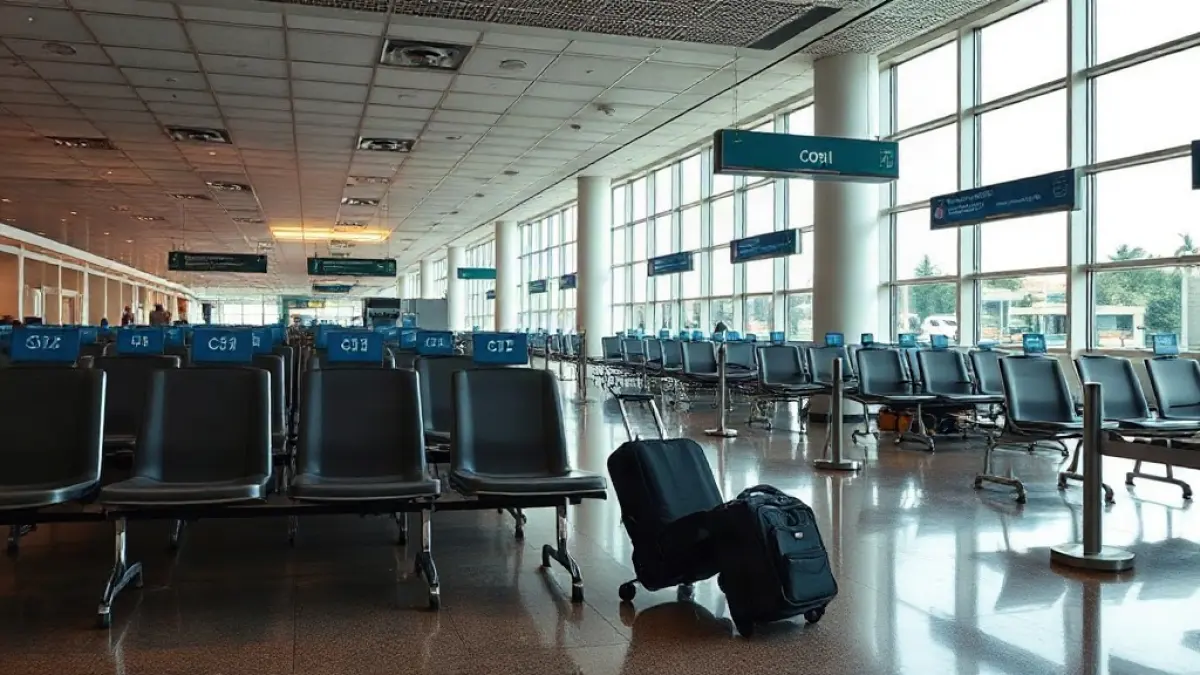
Costa Rican immigration authorities denied entry to UN Special Rapporteur Francesca Albanese at Juan Santamaria International Airport on 27 November 2026, leaving her in the airport's international transit area without having formally entered the country. Italy's Foreign Ministry said its embassy in Costa Rica is providing her with consular assistance.
Key facts
- Who: Francesca Albanese, UN special rapporteur on the situation of human rights in the occupied Palestinian territories
- Where: Juan Santamaria International Airport, Costa Rica
- When: 27 November 2026
- Reason given: an international alert over alleged links to terrorist acts
- Current status: held in the airport's international transit area; her passport was taken
What happened at the airport?
Albanese arrived in Costa Rica at the invitation of the University of Costa Rica, which was scheduled to award her an honorary doctorate on Friday. Instead, immigration officials refused her entry and took her passport, she said. She also reported being offered a detention room in which to sleep, and posted a photo on the social media platform X showing her suitcase beside a row of empty seats.
Why was entry refused?
Omer Badilla, director-general of Costa Rica's immigration authority, said in a video that the UN rapporteur "was refused entry to the country because she is the subject of an international alert due to links to terrorist acts". He did not provide any further information about the alert.
Albanese has condemned the decision, rejected the allegations of links to terrorism and demanded that authorities substantiate their claims or apologise.
What help is she receiving?
Italy's Foreign Ministry said the Italian ambassador contacted Albanese and dispatched a consular official to the airport to assist her. Italian officials have repeatedly urged Costa Rican authorities to allow her entry, the ministry said, but she remains in the international transit area and has not formally entered the country.
What this means for travellers
The case is an individual one and the source does not state which rule or alert was applied. It does show that a traveller can be refused entry at the airport and held in the transit area rather than admitted, and that consular help from an embassy may be arranged in such situations.
No further steps have been announced. The source does not say whether Albanese will be allowed into Costa Rica or when her situation at the airport will be resolved.
Also about:  Italy