
 BurundiTravel
Burundi Announces No Visa or Entry Changes Amid Spy Arrests
Burundi's security ministry presented 13 people accused of spying for Rwanda and armed groups in eastern Congo, and called on residents to monitor Banyamulenge refugees. No changes to visas or entry rules were announced.
Burundian authorities displayed 13 handcuffed suspects to a select group of journalists at the National Intelligence Service (SNR) headquarters in Bujumbura on 9 October 2026, accusing them of spying for Rwanda and armed groups operating in eastern Democratic Republic of Congo (DRC). Most of those presented are Banyamulenge refugees, and several are pastors. The Ministry of Security spokesperson, Pierre Nkurikiye, used the event to urge residents to monitor the Banyamulenge community and stop renting housing to them.
Key facts
- 13 people presented on 9 October 2026 at SNR headquarters in Bujumbura
- The group includes 11 men and two women, mostly Banyamulenge refugees, among them several pastors
- The suspects had been held by the SNR for nearly a month
- Charges named include espionage, undermining state security, using forged documents and harming the national economy
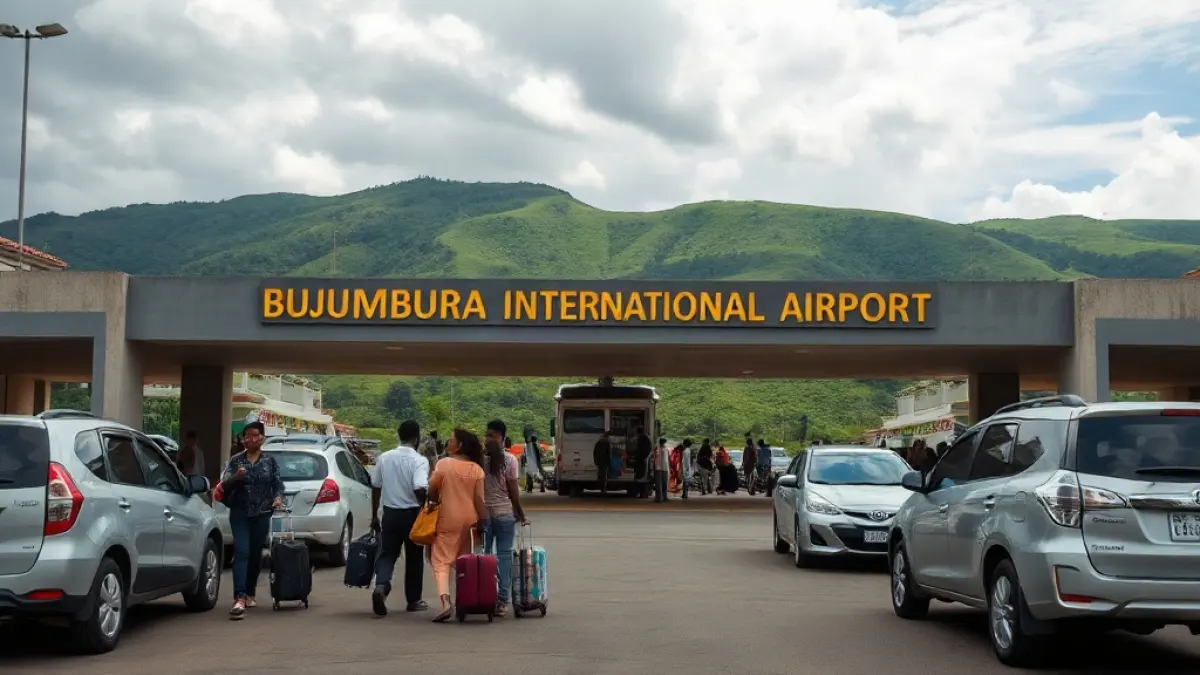
- One suspect was reportedly arrested on 8 September at Bujumbura International Airport with a Rwandan passport
- No change to visas, passports or Burundi entry rules has been announced
What are the accusations?
Burundian authorities say the 13 suspects collaborated with armed groups active in the region, including the AFC/M23, Red-Tabara — a Burundian armed group based in eastern DRC — and Twirwaneho, an armed group made up mainly of fighters from the Congolese Tutsi minority, the Banyamulenge. Some suspects are also accused of using religious networks to help produce and circulate forged documents.
Those presented include Mark Ntayoberwa, head of the Stone Evangelical Church, whose Burundian base is in Ngagara, north of Bujumbura, and which has branches in Goma and Bukavu; Gédéon Nzayitegaho, pastor of the Carmel Church in Mutakura, Bujumbura; and Jalos Nkunda Kilaya, head of the Evangelical Church in the Great Lakes Region (EEPGL). Witnesses say Jalos Nkunda Kilaya was arrested on 8 September at Bujumbura International Airport as he prepared to travel to Kigali, reportedly in possession of a Rwandan passport. His wife and a student staying with him were arrested in the following days during a search.
Relatives and congregation members reject the accusations and say the presence of church branches in eastern DRC does not justify suspicions. One close associate said the pastors "have nothing to do with politics", adding that accusations should be assessed with evidence and a transparent trial.
What is happening to Banyamulenge refugees?
During the presentation, Pierre Nkurikiye asked the population to watch the movements of Banyamulenge members and to stop renting them houses, especially in Bujumbura. A community leader and refugee in Burundi since 2008 said nearly all Banyamulenge now feel insecure in the country, and called on the Burundian government and the UN Refugee Agency (UNHCR) to protect the community.
Refugee camps hosting Banyamulenge members are also under increased surveillance and have been targeted by public security operations. In Bwagiriza, eastern Burundi, at least three Banyamulenge refugees have been arrested or abducted by police and intelligence services since September; one remains missing.
What is the wider security context?
Burundian authorities have issued repeated warnings in recent weeks about possible armed attacks and infiltrations from eastern DRC, which they attribute to groups receiving support from Rwanda; Kigali rejects these accusations. The AFC/M23 has controlled Goma since January 2025 and Bukavu since February 2025, while Burundi has deployed soldiers in eastern DRC alongside the Congolese armed forces and Wazalendo militias to fight the AFC/M23 and its allies.
Journalists invited to the presentations were not allowed to ask questions enabling independent verification of the statements attributed to the suspects. The source notes that the practice recalls the public parading of detainees between 2015 and 2017, when some former detainees said confessions were obtained under torture or death threats.
What this means for travellers
The source announces no change to visas, passports or entry requirements for travellers to Burundi. It does describe heightened security activity, warnings about infiltration from eastern DRC, and at least one arrest at Bujumbura International Airport. Travellers with connections to the Banyamulenge community, or planning to fly between Bujumbura and Kigali, should follow developments closely.
Banyamulenge representatives are asking that suspicions be backed by evidence and examined through transparent judicial procedures, and that UNHCR and human rights organisations monitor the situation so that accusations against individuals do not become collective suspicion of an entire community. No further official announcements have been reported.
 Rwanda
 DR Congo