
 Bosnia and HerzegovinaTravel
Visiting Lukomir: how to reach Bosnia's highest village and what a stay costs
Lukomir, Bosnia and Herzegovina's highest and most isolated mountain village, is usually inhabited from 1 May to 1 November. Visitors reach it on a 7km hike from Umoljani and can book homestays from €30.
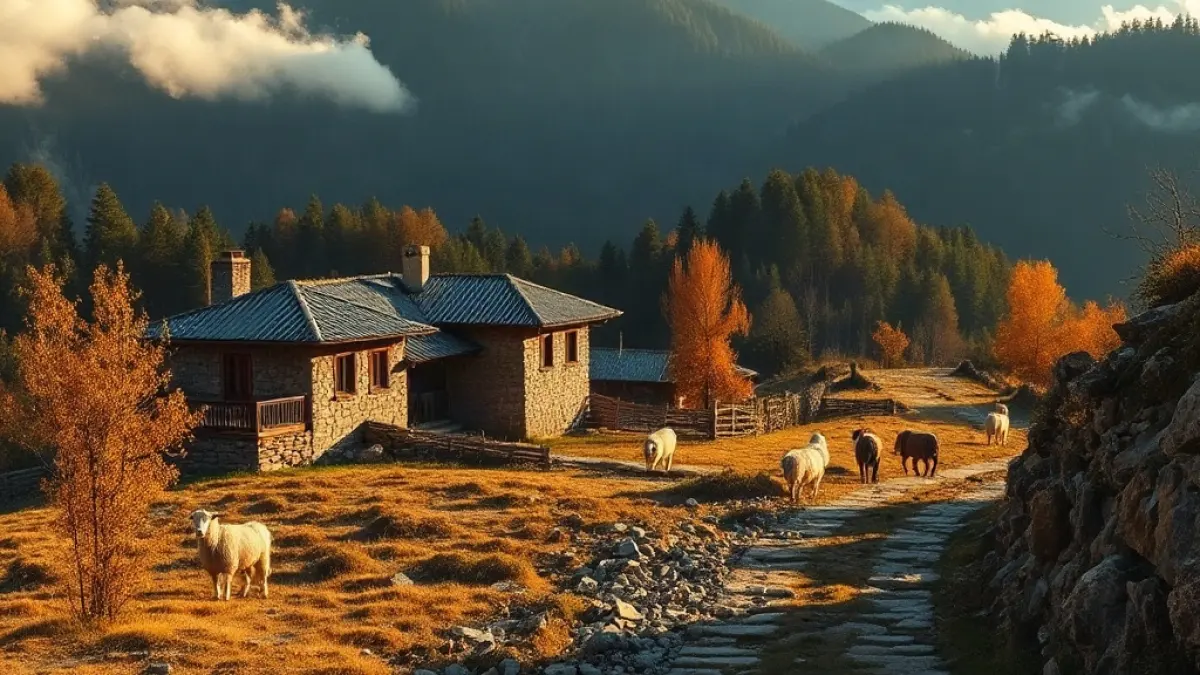
Lukomir, described as Bosnia and Herzegovina's highest and most isolated mountain village and its last semi-nomadic settlement, welcomes visitors only during the warmer months. Travellers who make the trip can stay in a family home from €30 ($33/£25) a night and learn to make pita, the spiral cheese-filled pastry, for €15 ($16.5/12.50).
Key facts
- The village is usually inhabited from 1 May to 1 November, depending on the weather
- It is reached on foot: a 7km (4-mile) hike from the village of Umoljani on Bjelašnica Mountain
- Overnight stays at Saima and Omer Čomor's house cost €30 ($33/£25)
- Pita-making lessons cost €15 ($16.5/12.50)
- Around 55 people in 25 families live in the village
- Lukomir receives approximately 100,000–150,000 tourists per year
How do you get to Lukomir?
The journey starts with a drive from Sarajevo to Umoljani, which took about an hour in the rain. Umoljani is the trailhead for the 7km (4-mile) walk into Lukomir, rated medium difficulty and taking roughly six to seven hours round trip depending on fitness.
Because some sections are rocky and steep, a full-day guided hiking trip from Umoljani to Lukomir is recommended. The route passes the Aždaja rock formation above Umoljani and, at the entrance to Lukomir, 14th-Century stećci — medieval tombstones. Hikers also pass through on the Via Dinarica, a trail running through the Dinaric Alps from Slovenia to North Macedonia.
When is the village open?
Depending on the weather, Lukomir is usually inhabited from 1 May until 1 November. Accommodation and tours should be booked ahead of time during the busier summer months.
The seasonal pattern continues a long tradition: villagers leave for winter residences in late October or early November, mostly to Hadžići, a suburb of Sarajevo, or other lower-altitude villages, and those who still own sheep guide them on a 10-hour walk. Many return to Lukomir on 1 May.
Where can you stay and what does it cost?
Overnight stays at Saima and Omer Čomor's house cost €30 ($33/£25), and pita-making lessons cost €15 ($16.5/12.50). Guesthouse Ljetnja Basta Lukomir offers car parking and serves traditional food in its restaurant.
Some residents still live in traditional katuns — two-room stone-and-wood structures with steeply pitched roofs — though most were transformed into modern houses with patchwork tin or metal roofs after the Bosnian War ended in 1995. Lukomir has been connected to the electrical grid for around 60 years, and the connection is described as notoriously unreliable.
What can visitors do and see?
Through homestays, visitors can stay in century-old katuns and learn to make pita, spin wool and crochet. Villagers cultivate wool, and some wear traditional embroidered headscarves, caps and wool socks. Sheep, shepherds' melodies played on the frula, a traditional Balkan flute, and rose hip tea and jam are part of daily life.
Lukomir has been home to herders and farmers for more than 500 years, and the village Imam said experts had once determined the village to be approximately 1,000 years old. Traditional ganga singing and kolo circle dancing now take place at teferič, an outdoor gathering held on the first Sunday in August.
What this means for travellers
Anyone planning a trip should aim for the 1 May to 1 November window, book accommodation and tours well in advance in summer, and plan for the hike in from Umoljani rather than expecting to drive into the village. Visitors should also be prepared for basic conditions, including an unreliable electricity supply.
No further changes to visitor arrangements have been announced; the village continues to receive guests through homestays and guided hiking trips during its inhabited season.